


The Monsoon Challenge for Your Gut
The rainy season, while refreshing, creates an environment where germs thrive. High humidity and the increased risk of water and food contamination put our digestive systems under stress. According to both modern science and Ayurveda, our digestive fire,
or 'Agni', tends to weaken during this period. This slowdown can lead to common issues like bloating, indigestion, and a higher susceptibility to infections like diarrhoea and food poisoning. The body's immunity can also take a dip due to fluctuating weather, making a healthy gut more crucial than ever, as approximately 70% of our immune cells reside there. This makes us more vulnerable just as the risk of encountering harmful bacteria and viruses increases.
Traditional Wisdom Meets Modern Science
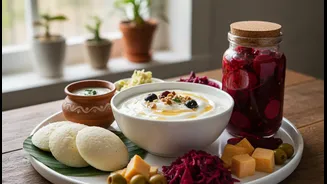
For generations, Indian households have turned to a simple, effective solution: naturally fermented foods. Items like dahi (curd), idli, dosa, and dhokla are not just dietary staples but are also packed with probiotics. Probiotics are live, beneficial bacteria and yeasts that help maintain a healthy balance in your gut microbiome. This traditional practice is now backed by science, which confirms that these 'good bacteria' are essential for smooth digestion, nutrient absorption, and a robust immune response. The fermentation process essentially pre-digests the food, making it easier for a sluggish monsoon digestive system to handle and unlocking more of its nutritional value.
A Natural Immunity and Digestion Boost
Including probiotic-rich foods in your monsoon diet acts as a natural defence mechanism. These beneficial microbes compete with harmful pathogens for space and resources in your gut, effectively crowding them out and reducing the risk of infection. They reinforce the gut lining, acting as a shield against invaders that cause common monsoon illnesses. Furthermore, probiotics help stimulate the production of natural antibodies and boost the activity of immune cells, strengthening your body's ability to fight off infections like the common cold. For digestion, they help break down food more efficiently, soothe inflammation, and alleviate symptoms like gas and bloating, which are common when the digestive system is weak.
Your Monsoon Fermented Food Guide
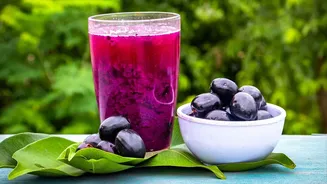
Incorporating these foods into your diet is simple and delicious. Many are already staples in Indian kitchens. Dahi (Curd) and Chaas (Buttermilk): Perhaps the most common probiotics, they cool the stomach and are easy to digest. Chaas is particularly light and refreshing. Idli, Dosa, and Dhokla: These popular breakfast and snack items are made from fermented batters of rice, lentils, or gram flour. The fermentation makes them fluffy, light, and easy on the gut. It's best to consume them fresh and warm. Kanji: This is a tangy, fermented drink traditionally made from black carrots or beetroot and seasoned with mustard seeds. It's a powerhouse of probiotics and antioxidants. Homemade Pickles (Achaar): Traditionally lacto-fermented pickles (not those preserved in vinegar) are a rich source of good bacteria. Consumed in moderation, they can be a flavourful addition to meals. Some Ayurvedic practitioners advise moderation with fermented foods during monsoon due to their sour nature, recommending they be eaten fresh, warm, and not in excess.