

Prioritise Paw and Coat Care
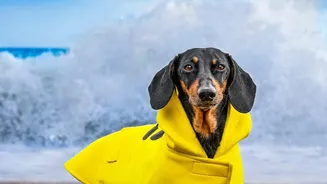
The number one rule for monsoon pet care is to keep your furry friend dry. Dampness is the root cause of most rainy-season problems, creating a breeding ground for fungal and bacterial skin infections. After every single walk, even a short one, thoroughly
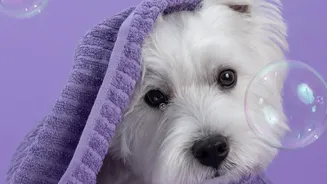
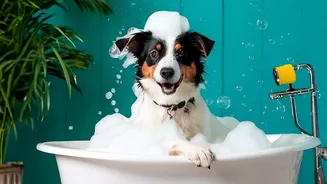
towel-dry your pet's coat and paws. Pay special attention to their belly, armpits, and the folds of their ears, as these areas trap moisture. For pets with thick coats, a pet-friendly hair dryer on a low, cool setting can be a lifesaver. Their paws need extra care, as they come in direct contact with muddy, contaminated puddles. Clean their paws with lukewarm water and a soft cloth after each outing, and be sure to dry completely between their toes to prevent yeast infections. Consider trimming the fur between their paw pads to stop mud and bacteria from building up.
Guard Against Infections and Pests
The rainy season sees a significant spike in pet illnesses, with vets reporting their highest caseloads between July and September. Ticks and fleas thrive in the humid conditions, so it's crucial to be diligent with your vet-recommended prevention plan. Daily checks for ticks are a must, especially around the ears, neck, and between the toes. One of the most serious risks during the Indian monsoon is Leptospirosis, a bacterial infection spread through water contaminated by the urine of infected animals. This disease can be fatal, so it's vital to prevent your pet from drinking from or walking through stagnant puddles. Ensure your dog’s vaccinations, including the one for Leptospirosis, are up to date.
Adjust Their Diet and Hydration
A strong immune system is your pet's best defence during the monsoon. A balanced, nutritious diet is key. Some pets may experience a reduced appetite due to the humidity and lower activity levels. Providing light, easily digestible meals can help. You might consider home-cooked options like rice with chicken or oats, which are gentle on the stomach. Hydration is just as important. While the weather is cooler, pets still need plenty of water. However, water sources can become contaminated during this season. Always provide fresh, clean drinking water, changing it at least twice a day. To be extra safe, many vets recommend giving your pets filtered or boiled water. Storing dry food in airtight containers is also essential to prevent it from spoiling or growing mould in the damp air.
Keep Them Active and Engaged Indoors
Frequent rain means shorter or cancelled walks, which can leave an active pet feeling bored and restless. This is where indoor enrichment becomes vital for their mental and physical well-being. Engage your pet with games like indoor fetch using a soft toy, tug-of-war, or hide-and-seek with treats. Puzzle toys and snuffle mats are excellent for mental stimulation, challenging your pet to work for their food and keeping them occupied. You can even create a simple indoor obstacle course using pillows, boxes, and blankets to encourage movement and problem-solving. Regular training sessions to practice old commands or learn new tricks are another great way to burn mental energy and strengthen your bond on a rainy day.
Create a Safe and Comfortable Haven
As your pet spends more time inside, ensure their living space is clean, dry, and comfortable. Pet bedding can get damp quickly in humid weather, so wash it more frequently and make sure it's completely dry. An elevated bed can help keep them off cold, damp floors. Thunderstorms can also be a source of anxiety for many pets. Create a safe, cozy den for them with their favourite blankets and toys where they can retreat during a storm. Playing soft, calming music can also help drown out the loud noises. If your pet's anxiety is severe, it's best to speak with your veterinarian for further advice.