

Understanding Japan's Peak Seasons
Before diving into specific locations, it’s helpful to know when Japan is busiest. The two main peak periods are the cherry blossom season, which typically runs from late March to early April in major cities like Tokyo and Kyoto, and the autumn foliage
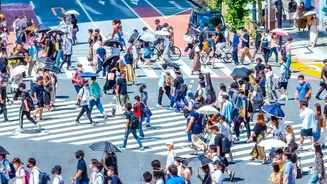
season in November. Another major travel rush is Golden Week, a collection of public holidays from late April to early May, when domestic travel surges. During these times, not only are attractions packed, but accommodation and train prices can increase significantly. The problem isn't that Japan is full, but that tourism is highly concentrated in a few key areas, particularly the Tokyo-Kyoto-Osaka route. Planning a trip outside these windows or simply choosing alternative destinations can lead to a more relaxing and authentic experience.
The Fushimi Inari Shrine Experience
Kyoto's Fushimi Inari Shrine, with its seemingly endless tunnels of vibrant red torii gates, is one of Japan's most photographed locations. This popularity means that during peak hours (roughly 10 a.m. to 4 p.m.), the main paths can feel less like a serene spiritual site and more like a congested sidewalk. The sheer volume of people stopping for photos can make it difficult to appreciate the atmosphere.For a similar visual impact without the crowds, consider Motonosumi Shrine in Yamaguchi Prefecture. It features 123 red torii gates winding down a cliffside toward the Sea of Japan, offering a dramatic and beautiful alternative. If you're staying within a major city, Tokyo's Nezu Shrine and Hie Shrine both feature smaller, but still highly photogenic, torii gate tunnels in a much quieter setting. In Kyoto itself, seeking out smaller shrines like Kifune Shrine can provide that magical torii gate experience with a fraction of the visitors.
Kyoto's Arashiyama Bamboo Grove
The feeling of being enveloped by towering bamboo stalks is a classic Japan travel fantasy, but the reality at Arashiyama Bamboo Grove is often a narrow path crowded with fellow tourists. It can be challenging to find a moment of peace or capture a photo without dozens of other people in it, especially by mid-morning.For a more tranquil bamboo experience, Adashino Nenbutsu-ji Temple, also in the Arashiyama area, has its own beautiful bamboo path that sees far fewer visitors. A short train ride from central Kyoto, the Muko City Bamboo Path offers a 1.8-kilometer trail that feels very similar to Arashiyama but remains relatively untouched by mass tourism. Another option within Kyoto is the bamboo grove at Kodai-ji Temple, which is often surprisingly quiet despite its location in the popular Higashiyama district.
The 'Golden Route' Cities
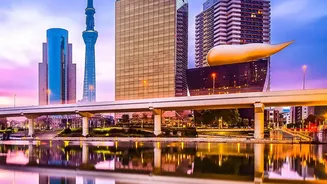
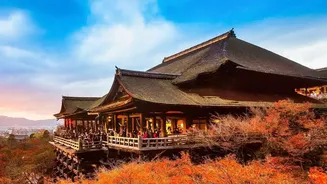
The well-trodden path of Tokyo, Kyoto, and Osaka is popular for a reason, but it also concentrates the vast majority of international tourists. If the idea of a packed Kiyomizu-dera Temple or a shoulder-to-shoulder stroll through Gion sounds unappealing, consider basing yourself in an alternative city.Kanazawa, often called 'Little Kyoto', is perhaps the best alternative. It boasts beautifully preserved geisha and samurai districts, one of Japan's most celebrated gardens (Kenrokuen), and a rich arts and crafts scene—all without Kyoto's overwhelming crowds. For those seeking a taste of traditional Japan in a mountain setting, Takayama offers historic wooden streets and a renowned sake brewing culture. Further south, cities like Fukuoka and Nagasaki on the island of Kyushu provide a vibrant mix of history, food, and urban energy, but are primarily visited by domestic tourists.
Cherry Blossoms Beyond the Crowds
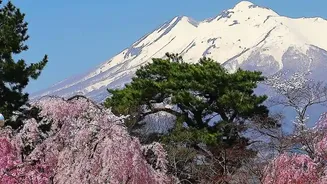
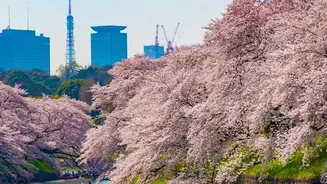
Hanami (cherry blossom viewing) is a national obsession, and famous spots in Tokyo and Kyoto are packed from dawn till dusk. Instead of fighting for a spot under a tree in Ueno Park, you can find equally stunning, yet more peaceful, displays elsewhere. During peak bloom, consider a day trip to the Izu Peninsula in Shizuoka, where cherry tree-lined roads create natural tunnels. Or visit the lakeside town of Kinosaki Onsen, where you can combine sakura viewing with a traditional hot spring experience.If your timing is flexible, consider following the blossom front. The cherry trees in northern regions like Tohoku bloom later, typically in mid-to-late April. This allows you to experience the season's beauty in places like Kakunodate, a former samurai town, with significantly fewer people. Conversely, for an early bloom, head to the coastal areas of southern Shizuoka.