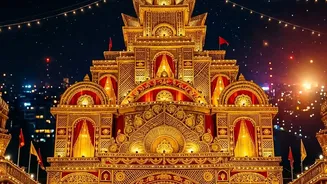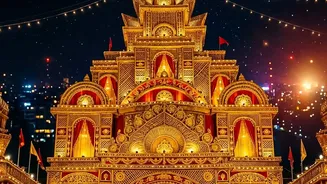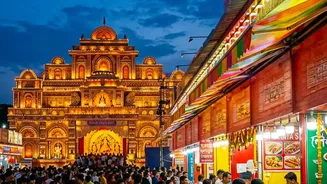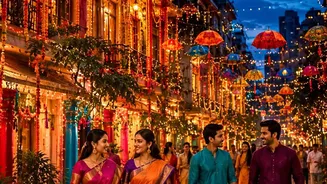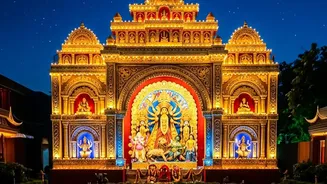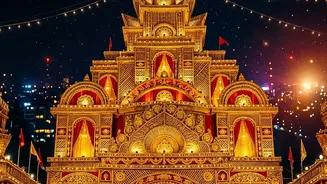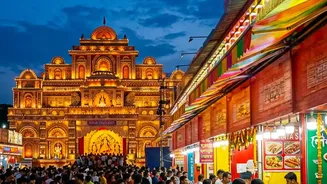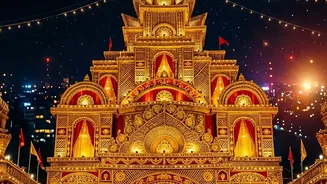






Ayodhya's Deepotsav transforms the ancient city into a realm of divine light. As millions of earthen lamps flicker on the ghats of the Saryu river, a spectacle of faith and celebration unfolds. Here is what to expect at the 2026 festival.
A River of Glimmering Diyas
The heart of
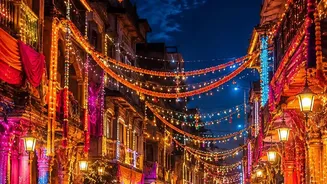
Deepotsav is the breathtaking display of millions of earthen lamps, or diyas, lit along the banks of the Saryu river. The main event is scheduled for the evening of November 7, 2026, when the city will attempt to set a new Guinness World Record. For the 2026 celebration, visitors can anticipate seeing more than 30 lakh (3 million) diyas illuminating 56 ghats, with the epicentre at Ram Ki Paidi. Thousands of volunteers meticulously arrange the lamps in the days leading up to the festival. This grand illumination symbolises the return of Lord Ram to Ayodhya and the triumph of light over darkness. To get the best view, find a spot early in the afternoon, as crowds gather quickly for this signature event.
The Grand Shobha Yatra
The festivities are not confined to the riverbanks. A grand procession, known as the Shobha Yatra, typically winds its way through the city, starting from Saket Mahavidyalaya and culminating at Ram Katha Park. Visitors will see elaborately decorated tableaux, with some depicting scenes from the Ramayana's seven chapters and others showcasing cultural themes. Actors dressed as Lord Ram, Sita, and Lakshman are a central feature, often accompanied by more than 650 folk artists from at least 14 states performing dances like Kerala's Kathakali and Rajasthan's Ghoomar. The procession is a dynamic spectacle of colour, sound, and devotion, offering a fantastic opportunity to witness local culture and artistry up close.
A Global Cultural Extravaganza
Deepotsav is also a major international cultural festival. The Ramlila, a dramatic folk re-enactment of the life of Lord Ram, is a cornerstone of the celebration. In 2026, around 2,500 artists from India and abroad are expected to perform on 12 different stages across the city. Troupes from countries like Sri Lanka, Nepal, Thailand, and South Africa will present their unique interpretations of the Ramayana in their respective languages and styles. Additionally, Indian artists from states like Kerala, Assam, and Jammu and Kashmir will perform Ramlila in regional languages such as Malayalam and Dogri. This provides a platform for incredible cultural diversity, strengthening Ayodhya's identity as a global cultural hub.
Modern Spectacles Meet Ancient Lore
Complementing the traditional diyas, Ayodhya’s Deepotsav now incorporates modern technology to enhance the visitor experience. A spectacular laser and 3D projection mapping show is a consistent highlight, using the temples and historic buildings along the ghats as a canvas to narrate stories from the Ramayana. For 2026, a fleet of 2,100 drones will create choreographed formations depicting scenes from the epic in the night sky. A grand fireworks display often concludes the main evening's festivities. This blend of ancient tradition and contemporary spectacle ensures that the festival has something to captivate every visitor.
Exploring Ayodhya's Sacred Sites
While Deepotsav is the main draw, the festival period is an excellent time to explore the city's sacred landscape. The Ram Janmabhoomi Mandir will be a focal point, beautifully decorated for the occasion. Expect significant crowds, so plan your visit to the temple with patience. Other important sites to visit include Hanuman Garhi, a temple dedicated to Lord Hanuman that is traditionally visited before heading to the Ram Mandir. Kanak Bhavan, known as the 'golden palace', is believed to have been a gift to Sita and is another must-see. During Deepotsav, these temples are adorned with lights and flowers, and the atmosphere is filled with a unique spiritual energy.