





The Aadhaar Update: Deadlines and Details
The Unique Identification Authority of India (UIDAI) has been urging citizens to keep their Aadhaar details current, especially if the card was issued more than ten years ago. This ensures the accuracy of your demographic data for everything from banking
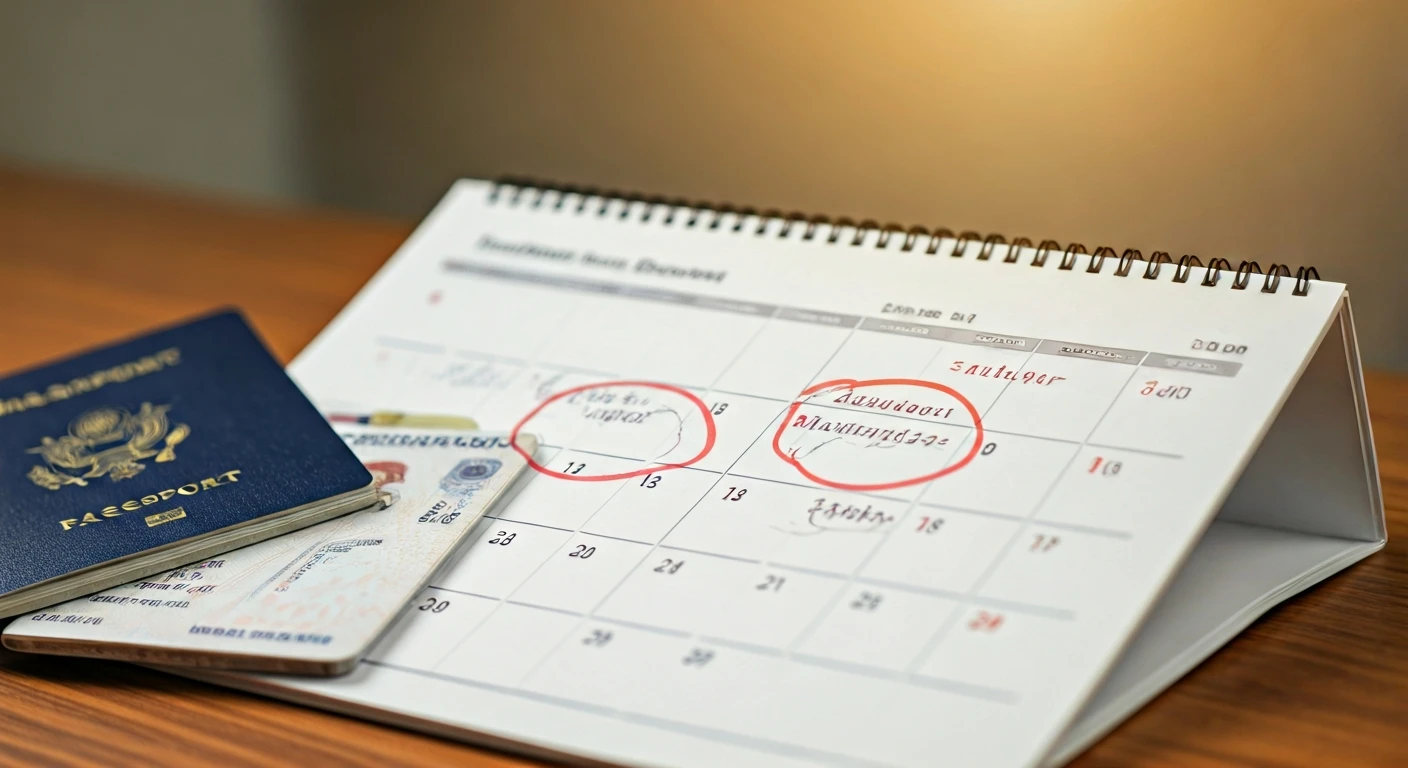
to accessing government schemes. In a significant move, UIDAI has extended the deadline for free online document updates. Aadhaar holders can now update their Proof of Identity (PoI) and Proof of Address (PoA) documents online through the myAadhaar portal free of cost until June 14, 2027. This free service is exclusively available on the myAadhaar portal; updates at physical Aadhaar Seva Kendras will still incur a fee. Furthermore, from July 1 to December 31, 2026, updating your registered email address via the Aadhaar mobile app is also free, waiving the usual ₹75 fee.
How to Update Your Aadhaar Online
Updating your Aadhaar address and other documents online is a straightforward process designed for convenience. First, you need to log in to the myAadhaar portal (myaadhaar.uidai.gov.in) using your Aadhaar number and the one-time password (OTP) sent to your registered mobile number. Once logged in, you can select the option to update your address or upload documents. You will need to upload clear, scanned copies of your original PoA or PoI documents. UIDAI has expanded the list of acceptable documents, now including items like marriage certificates, rent agreements, and bank statements, making the process more inclusive. After uploading, you will receive a Service Request Number (SRN) to track the status of your update. While address updates are simple to do online, any changes to your name, date of birth, gender, or biometrics require a visit to an Aadhaar Enrolment Centre.
Passport Applications Get a Digital Makeover
The process of applying for or re-issuing an Indian passport has also seen significant digital integration, primarily through DigiLocker. The Ministry of External Affairs now encourages applicants to use DigiLocker to submit their documents, which can streamline the verification process. By fetching documents like your Aadhaar card, PAN card, or Class 10 mark sheet directly from DigiLocker, you can reduce the reliance on physical papers during the online application stage. While you must still carry the original documents for physical verification at the Passport Seva Kendra (PSK) during your appointment, using DigiLocker for the initial submission helps ensure the authenticity of the documents and can speed up processing.
Applying for a Fresh or Re-Issued Passport
The fundamental process for a passport application remains consistent. You must register on the Passport Seva portal, fill out the application form online, pay the requisite fee, and schedule an appointment at a PSK. All new passports are now issued as e-passports with an embedded chip for enhanced security, at no extra cost. For passport renewals or re-issues, the required documents typically include your original old passport and self-attested copies of its first and last pages. If your address has changed, you'll need to provide a new proof of address. It's crucial to ensure that the details across all your documents, particularly your Aadhaar and the passport application, are consistent to avoid delays. The government has also revised passport application fees, with the new rates effective from July 1, 2026, so it's wise to check the latest fee structure before applying.