


A Counter-Intuitive Travel Boom
For decades, the formula for Rajasthan travel was simple: visit between October and March. The monsoon months of July and August were considered the off-season, best avoided due to heat and humidity. But a clear shift in travel trends is turning that
logic on its head. This year, travel experts and hospitality businesses are reporting a significant increase in monsoon tourism, a phenomenon they call 'green tourism'. After months of scorching summer, the rains have revived the landscape, and travellers seeking slower, more immersive journeys are taking notice. It seems a growing number of tourists are discovering that the desert state’s charm doesn’t just endure the rain—it’s enhanced by it.
The Desert in Bloom
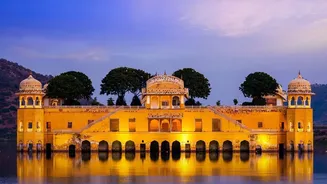
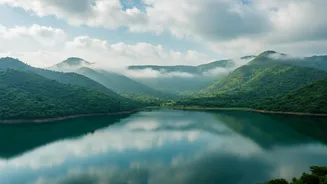
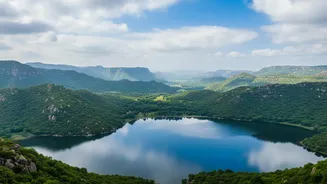
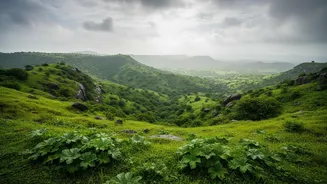
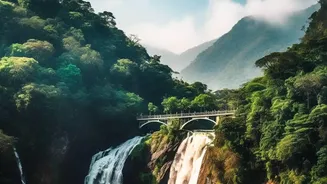
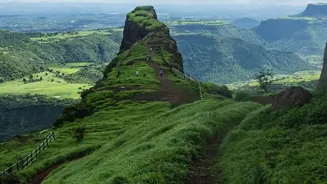
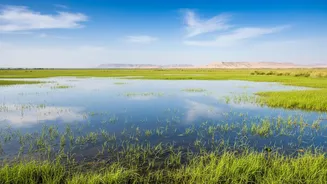
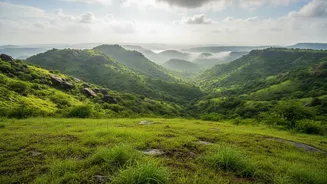
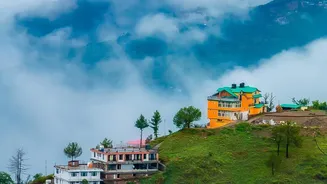
The most compelling reason behind the surge is the dramatic transformation of the scenery. The monsoon turns the arid Aravalli Hills into a vibrant, emerald landscape. Lakes and reservoirs, often low during the dry winter, are replenished, reflecting historic palaces in their full glory. In Udaipur, known as the 'City of Lakes', this change is particularly magical. The water levels in Lake Pichola and Fateh Sagar rise, creating the romantic, full-lake views that are often missing during the peak winter season. This natural makeover isn't just limited to Udaipur. Areas like Mount Abu, Rajasthan's only hill station, become misty and cool, while the landscapes around Kumbhalgarh and Ranakpur turn lush and inviting.
Udaipur: The Crown Jewel of the Monsoon
Udaipur has become the epicentre of this monsoon travel trend. The city, built around a system of lakes, truly comes alive with the rains. Temperatures become more moderate, a welcome relief from the preceding summer heat. Visitors can enjoy boat rides on brimming lakes, watch clouds envelop the Sajjangarh Monsoon Palace, and explore gardens like Saheliyon-ki-Bari where fountains flow freely. Photographers find the season especially rewarding, capturing dramatic skies and mist-covered hills that defy the typical image of Rajasthan. This seasonal beauty, combined with fewer crowds, makes for a more serene and personal experience of the city's royal heritage.
The Practical Perks of a Greener Season
Beyond the breathtaking views, travelling to Rajasthan during the monsoon comes with several practical advantages. As it's still considered a shoulder season, visitors can often find attractive deals on flights and luxury accommodations, making a premium experience more accessible. Hotels and resorts, less busy than in the winter, can offer more personalized service. Major attractions like the forts and palaces in Jaipur and Jodhpur are significantly less crowded, allowing for a more peaceful and intimate exploration of these magnificent sites. Improved infrastructure, including new expressways and better air connectivity, has also made planning a quick monsoon getaway easier than ever before.