




The Great Retreat: An Erratic Exit
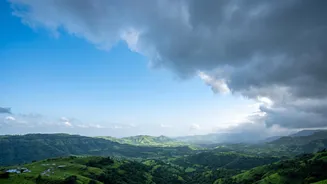
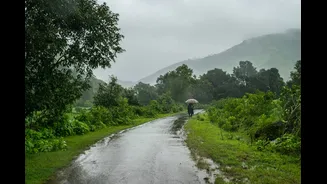
The southwest monsoon, the lifeblood of India’s economy and ecosystems, is entering its withdrawal phase. The process typically begins from northwest India around mid-September and takes over a month to complete its exit from the entire country. However,
the 2026 season has been marked by erratic behaviour. After a season characterized by prolonged dry spells and intense, short-duration downpours, the retreat itself is expected to be just as unpredictable. Projections suggest the withdrawal may be on time, with some forecasts pointing to a strengthening anticyclone over northwest India that could set the stage for a more organised retreat around September 21. However, the India Meteorological Department (IMD) also notes that while some parts of the country prepare for dry weather, active monsoon systems could keep rain alive elsewhere, underscoring the season's volatile nature.
Bracing for Water Woes
A key concern following the monsoon's departure is the state of our water resources. This year's overall rainfall has been deficient, with the country facing a deficit of around 14% as of early September. This shortfall directly impacts the water levels in India's major reservoirs, which are crucial for drinking water, industry, and agriculture through the long dry season. The IMD has already forecast that rainfall in September is likely to be below normal, which will suppress the final, crucial replenishment of these water bodies. Peninsular India, in particular, is expected to see subdued rainfall activity. For citizens, this could translate into increased water discipline, with municipalities potentially enforcing cuts to conserve dwindling supplies, a situation already seen in cities like Mumbai earlier in the year. The focus will shift to judicious use of stored water and reliance on groundwater, which itself is under strain.
Impact on the Fields and Festivals
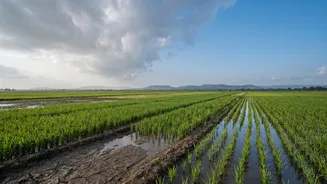
Agriculture, which employs over half of India's population, is acutely sensitive to the monsoon's performance. A weaker monsoon season directly affects the sowing and health of rain-fed kharif crops like rice. More importantly, the moisture left in the soil by the retreating monsoon is critical for the upcoming Rabi (winter) crop season, which includes staples like wheat and mustard. Insufficient soil moisture could hamper winter planting, potentially affecting future harvests and food prices. On the cultural front, the post-monsoon period is a time of major festivals. While the clearer, drier weather is ideal for travel and outdoor celebrations, the underlying water scarcity could pose challenges. It’s a time to be mindful of resources, even as the festive spirit takes hold.
Adjusting Daily Routines and Health
The end of the monsoon signals a significant shift in daily life. The retreat ushers in hotter and drier conditions, increasing daytime and nighttime temperatures. This change affects everything from electricity consumption, as demand for cooling rises, to health. While the risk of mosquito-borne diseases like dengue and malaria may decrease with less stagnant water, the drier air can bring its own set of challenges. In our homes, the focus must turn to water conservation. Simple habits like fixing leaks, using water-efficient appliances, and avoiding wastage become more important than ever to help stretch reservoir supplies through the coming months. It’s a collective responsibility to manage a shared, finite resource.