


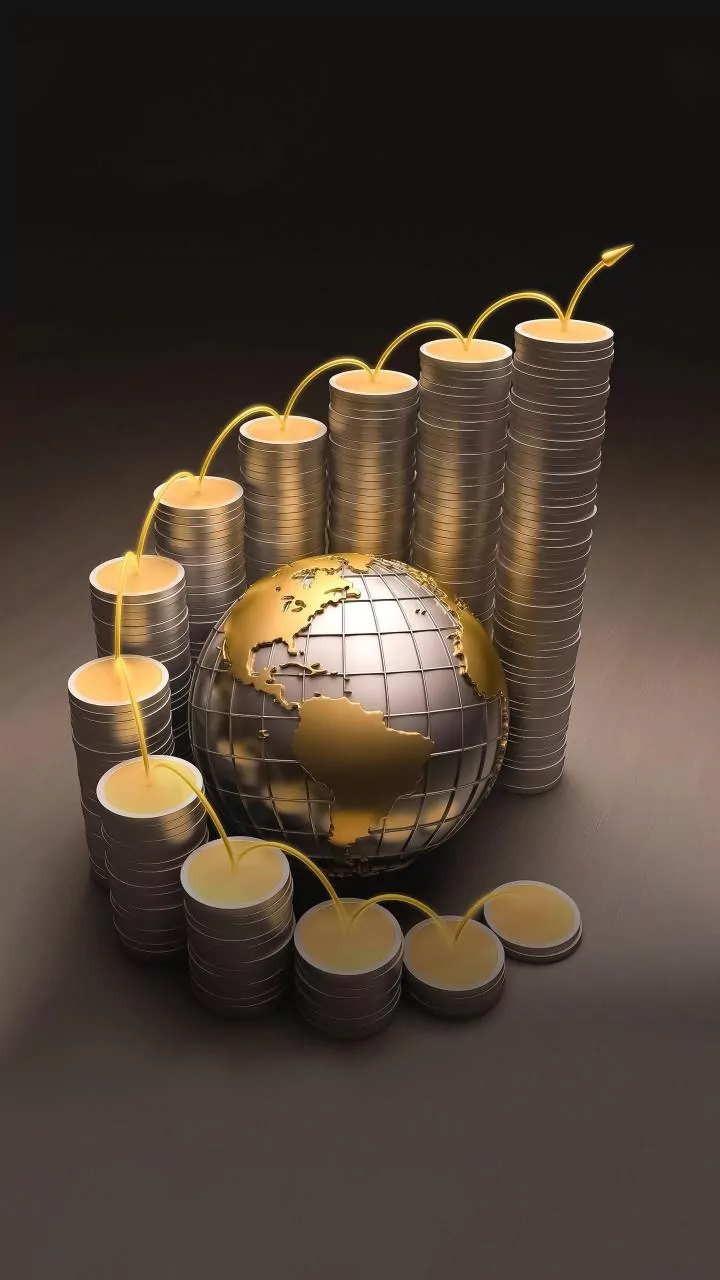



The International Monetary Fund (IMF) has delivered a vote of confidence in the Indian economy. In its latest outlook, it projects strong growth through FY28, singling out one part of the economy as the primary engine: the dynamic services sector.
A Bright Spot in the Global Economy
In its
October 2026 World Economic Outlook, the IMF upgraded India's growth projections, forecasting an impressive 7% expansion for both the 2026-27 and 2027-28 fiscal years. This positions India as a key driver of global growth, especially as many advanced economies face a more sluggish outlook. The IMF's projection for global growth is a more modest 3.1% in 2026 and 3.4% in 2027. The fund attributes India's resilience to a combination of strong domestic demand and exceptionally robust activity within the services sector, which continues to power the nation forward despite global headwinds.
The Services Sector Supercharges Growth
The services sector is the undisputed backbone of India's current economic success story, contributing over half of the country's Gross Value Added (GVA). This broad category includes a wide range of activities, from information technology (IT) and IT-enabled services (ITeS) to finance, professional consulting, transport, and real estate. India has successfully carved out a niche as a global hub for digital and business solutions, with exports of computer and business services making up more than two-thirds of the country's total services exports. This specialisation has made the sector a major recipient of foreign direct investment and a critical source of foreign exchange, reinforcing its importance to the overall economy.
What's Powering the Services Engine?
Several factors are fuelling the boom. Decades of investment in education have produced a large, skilled workforce. The rapid adoption of digital technology, accelerated by government initiatives like 'Digital India', has created new opportunities and improved efficiency. Furthermore, a trend of global companies diversifying their operations and supply chains has played to India's strengths, particularly in IT and business process management. This has led to India's share in global services trade more than doubling over the past two decades. Resilient domestic consumption, supported by a large and growing internal market, provides a stable foundation for this growth.
Navigating Potential Headwinds
Despite the optimistic forecast, the path ahead is not without potential obstacles. The IMF has flagged several risks that could impact India's growth trajectory. As a major importer of oil, the economy remains vulnerable to volatile global energy prices, which can fuel inflation and increase the import bill. Geopolitical instability, particularly conflicts in the Middle East, could also create economic uncertainty. On the domestic front, the IMF has warned that weather phenomena like a potential 'Super El Niño' could lead to weaker agricultural output and higher food prices, which would reduce household purchasing power and could dampen rural demand. Sustaining momentum will also require ongoing structural reforms to boost private investment and ensure that growth translates into more formal jobs.