




Wildlife Sanctuaries Reawakened
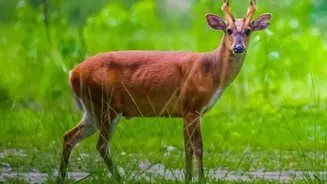
For wildlife enthusiasts, the post-monsoon period is a time of grand reopening and unparalleled beauty. National parks, many of which close during the heavy rains, welcome visitors back to a transformed world. In Assam, Kaziranga National Park typically
reopens its gates around the first of October. The grasslands, fed by the Brahmaputra's floods, are intensely green and tall, and the park's water bodies are brimming. This lush environment is the perfect backdrop for spotting the famed one-horned rhinoceros, often seen against stunning sunrises. While some core zones of Jim Corbett National Park in Uttarakhand close, buffer zones like Jhirna and Dhela remain accessible, offering a chance to see the forest in its monsoon glory. The landscape is a deep, rich green, and the Kosi River flows with renewed vigour. In the south, parks like Periyar in Kerala become a verdant paradise, with boat rides on the lake offering excellent opportunities to see elephants and other animals near the water's edge.
Mountains in Crystal-Clear Glory
The end of the monsoon washes away the dust and haze of summer, revealing the mountains in their sharpest, most majestic forms. The air in the Himalayas becomes crisp and clear, providing unobstructed views of snow-capped peaks against brilliant blue skies. Destinations in Uttarakhand's Kumaon region, such as Kausani, are renowned for their panoramic Himalayan vistas post-monsoon. Treks that are popular in other seasons take on a special character now; trails like Nag Tibba and those in the Valley of Flowers are flanked by rejuvenated forests and vibrant meadows. In Himachal Pradesh, the period offers a final window to explore high-altitude regions like Spiti Valley before winter snows make them inaccessible. Hill stations like Darjeeling also shine in October and November, when the mist clears to offer spectacular, unobstructed views of Mount Kanchenjunga. It’s an ideal time for trekking and photography, with landscapes that feel both serene and profoundly alive.
Drives Through Rejuvenated Landscapes
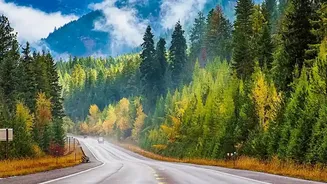
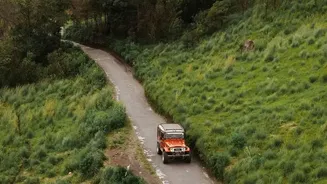
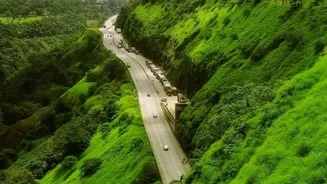
A road trip is one of the best ways to witness the country's post-monsoon transformation. The Western Ghats, in particular, become a driver's dream. In Kerala, the winding roads to hill stations like Munnar and Wayanad are flanked by endless green tea and coffee plantations, misty hills, and waterfalls at full strength. The air smells of wet earth and fresh spices, creating an immersive sensory experience. Similarly, the drive through Coorg in Karnataka offers vistas of lush coffee estates and roaring cascades like Abbey Falls. Along the coast, the famous National Highway 66, running from Mumbai to Goa, is especially scenic. The Konkan hills are at their most vivid, and the journey is dotted with quiet beaches and historic forts. Another stunning coastal drive is the stretch near Maravanthe in Karnataka, where the highway runs between the Arabian Sea on one side and the Souparnika River on the other, a surreal sight made magical by post-monsoon sunsets.
Planning Your Post-Monsoon Escape
While this season offers immense beauty, it requires some planning. For wildlife trips, it's crucial to check the exact reopening dates of national parks and specific safari zones, as these can vary based on local conditions. In Kaziranga, for instance, gypsy safaris are the main option in early October, with elephant safaris typically starting from November. For mountain travel, be aware that while the views are clear, temperatures begin to drop, especially at night, so packing layers is essential. Road conditions in hilly areas can still be unpredictable immediately after the rains, so always check local advisories before setting off on a drive. With fewer tourists than in peak season, it’s a great time to find good deals on accommodation, but booking safaris and popular treks in advance is still recommended to secure a spot.