




The Visual-First Itinerary
The way Indians plan travel has transformed from text-based research to a visual-first approach. Instead of just reading about a place, travellers now want to see it through the eyes of someone who has already been there. Travel vlogs offer a dynamic,
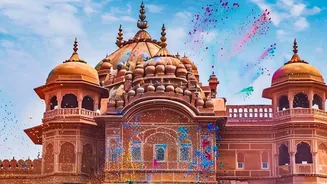
immersive preview that static photos and written descriptions cannot match. This 'see-it-to-believe-it' mindset is powerful; platforms like YouTube and Instagram have become primary sources of inspiration. In fact, a 2024 survey found that 66% of Indian leisure travellers use social media for ideas and inspiration. Videos showcasing breathtaking drone shots of a Himalayan valley, a walk-through of a boutique homestay in Goa, or the sounds of a bustling market in Jaipur provide a sensory experience that builds excitement and confidence in a destination choice.
Trust in the Relatable Creator
A key reason for this shift is trust. Modern Indian travellers often place more faith in relatable creators than in polished marketing campaigns. These vloggers and influencers are seen as 'people like us', offering authentic, first-hand accounts of their journeys. Studies show that amateur vlogs can be more influential in sparking a desire to visit a destination than official marketing videos because their narration style feels more genuine. The credibility of the influencer is a significant predictor of a tourist's confidence. This is amplified by the rise of regional language content creators, who connect with audiences on a deeper cultural level, offering tips and insights that are specifically tailored to their linguistic community.
The Decisive Power of Reviews
Alongside video content, online reviews on platforms like Google, TripAdvisor, and various booking portals have become a critical decision-making tool. These reviews function as a vast, digital word-of-mouth network that can make or break a booking. Research indicates that positive reviews significantly build consumer trust and reduce the uncertainty that comes with booking a hotel or experience online. For many, the volume, recency, and detailed nature of reviews are more persuasive than official star ratings. Consumers are more likely to trust feedback they perceive as authentic and unbiased. A high volume of positive, recent reviews signals a safe bet, while a few detailed negative reviews can steer travellers toward other options entirely.
Experience-Driven Discovery
Social media isn't just for verifying destinations; it's increasingly where discovery begins. Travel searches are now often driven by a desire for a specific experience rather than a place name. A user might see a reel about a unique food trail, a vibrant local festival, or an adventurous trek and then plan a trip around that activity. This experience-led approach is a major trend, with 75% of travellers preferring it. Food, in particular, has become a massive driver, with food bloggers on Instagram and YouTube exposing travellers to culinary experiences they might not have otherwise sought out. This shift means that the initial travel question is no longer "Where should I go?" but rather "What do I want to do?"
The Economic Ripple Effect
This reliance on digital content has a profound economic impact. Small, photogenic homestays and undiscovered locales can now compete with established hotel chains and tourist hotspots. A single viral vlog can put a remote village on the map, bringing in a new stream of revenue for the local community. Travel influencers play a strategic role in promoting less-known destinations, effectively bridging the gap between those places and potential tourists. However, this digital-first approach is not without its challenges. While many travellers use these tools to find information on avoiding scams and budgeting, it also fuels a culture of 'FOMO' (fear of missing out), where travel becomes a status symbol, creating pressure to constantly be on the move.