



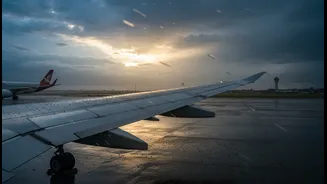


The Unseen Risks: Why Planes Stay Grounded
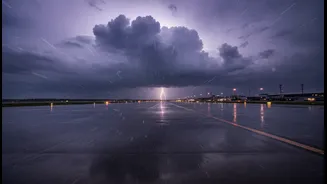
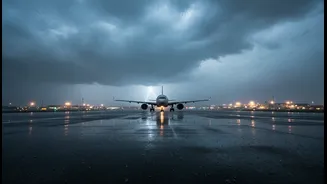
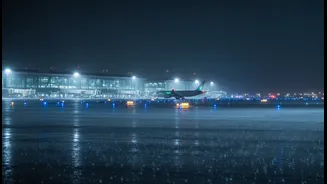
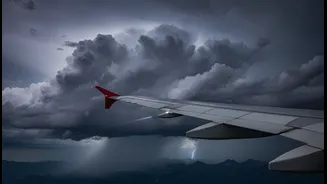
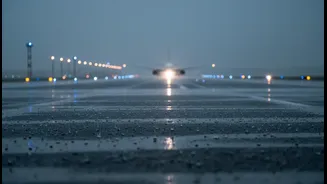
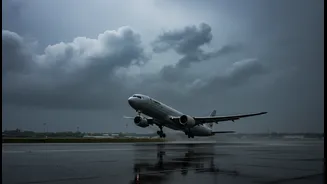
While modern aircraft are built to withstand rain, the associated weather phenomena pose significant risks that pilots and air traffic controllers will not compromise on. The primary issue is not the rain itself but the conditions it creates. Heavy downpours
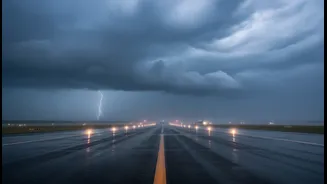
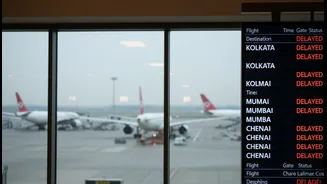
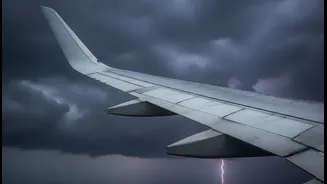
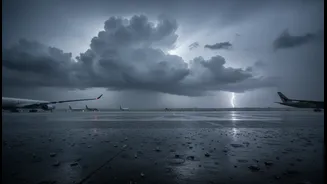
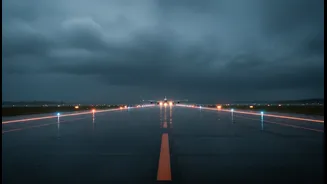
can drastically reduce visibility, making it difficult for pilots to see runways and other aircraft, especially during the critical phases of takeoff and landing. Another major hazard is hydroplaning, where a layer of water on the runway prevents the aircraft's tyres from gripping the surface, affecting braking and steering. Furthermore, monsoon storms are often accompanied by strong, gusty winds and dangerous wind shear—sudden changes in wind speed or direction—which can destabilise a plane. Waterlogging on runways and taxiways, a recurring issue at airports like Kolkata's during intense spells, can also impede aircraft movement and create unsafe conditions. Lightning is another threat, and while planes are designed to withstand strikes, ground operations may be halted as a precaution to protect staff on the tarmac.
The Surprising Benefit: Safety Over Schedule
It can be difficult to see an upside while you are stuck at the terminal, but a weather-related delay has one profound benefit: it is a direct confirmation that the airline and airport staff are prioritising your safety above all else. Every decision to delay or divert a flight is a calculated one, made after assessing a host of variables. Pilots use sophisticated onboard weather radar to navigate around dangerous storm cells, while Air Traffic Control (ATC) may increase the spacing between landing aircraft or halt operations altogether to manage risk. A delay isn't a sign of system failure; it is the system working exactly as it should. It signifies that conditions are deemed too hazardous for a safe departure or arrival. Rather than an inconvenience, a delay is a protective measure, ensuring that hundreds of lives are not put at unnecessary risk for the sake of an on-time arrival.
Practical Next Steps: A Traveller's Checklist
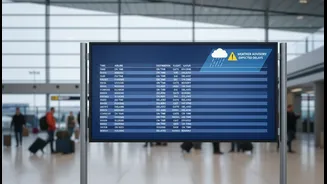
Facing a delay can be stressful, but being prepared can make a significant difference. First, stay informed. Before heading to the airport, check your flight status and look for travel advisories from your airline, which are often posted on social media. Once at the airport, keep an eye on the departure boards and listen for announcements. If your flight is delayed or cancelled, it is crucial to understand your rights. According to Directorate General of Civil Aviation (DGCA) regulations, weather-related disruptions are considered 'force majeure' events. This means airlines are not required to provide monetary compensation. However, they still have a duty of care. For significant delays, airlines are generally obligated to provide passengers with meals and refreshments. For very long or overnight delays, they must also provide hotel accommodation and transport. If a flight is cancelled, the airline must offer you the choice between an alternate flight or a full refund. The choice is yours.
Know Your Rights and How to Claim Them
Airlines are not always proactive in providing amenities. If your delay crosses the two-hour mark, approach the airline's ground staff to inquire about meal vouchers. Keep all your documentation, including your boarding pass and any receipts for expenses incurred. If the airline fails to provide the necessary assistance, you can file a grievance. The first step is to contact the airline's own grievance system. If you are not satisfied with the resolution, you can escalate the issue through the government's AirSewa portal. Some travellers also opt for travel insurance, which can provide separate coverage for delays and cancellations due to weather.