





Rethink Your Rain Gear
The first instinct is to grab a heavy raincoat and a massive umbrella, but this can be cumbersome. Instead, think in layers. A lightweight, waterproof but breathable jacket is your best friend. It keeps you dry without making you sweat, and it can be easily
packed away when the sun reappears. Consider a foldable poncho for sudden, intense showers—it's light and can cover both you and your backpack. Ditch cotton, which gets heavy and takes forever to dry. Opt for quick-drying synthetic fabrics or merino wool for your clothes. This way, even if you get damp, you'll be comfortable again in no time.
The Right Footwear Is Crucial
Nothing ruins a day faster than cold, wet feet. Investing in the right footwear is non-negotiable. While heavy-duty waterproof boots are great for trekking, they can be overkill for city exploration. Look for waterproof sneakers or light hiking shoes that offer good grip. Avoid flip-flops or open-toed sandals, as they offer no protection and can be dangerously slippery on wet cobblestones or tiled floors. Always pack at least two pairs of quick-drying socks. If one pair gets wet, you have a dry, warm backup waiting for you at the hotel. It’s a small detail that makes a world of difference.
Waterproof Your Gadgets
Your phone, camera, and power bank are your travel lifelines, and they are also the most vulnerable to water damage. You don't need expensive, specialized equipment to protect them. A few simple Ziploc bags can be lifesavers. For your phone, a dedicated waterproof pouch that you can wear around your neck is a great investment, allowing you to use it for navigation even in a drizzle. For camera gear, keep a few silica gel packets in your bag to absorb any ambient moisture and prevent your lenses from fogging up. A dry bag is also a fantastic, multipurpose item for keeping electronics, wallets, and documents completely safe, whether you're on a boat or just caught in a monsoon downpour.
Embrace Indoor Adventures
If the weather truly makes your outdoor plans impossible, don't just sit in your hotel room. See it as a chance to pivot. Every destination has a rich indoor life waiting to be discovered. This is the perfect opportunity to spend a few unhurried hours in a local museum or art gallery. Sign up for a cooking class and learn to make a regional delicacy. Find a cosy café with a window seat and watch the world go by. Catch a matinee at a local cinema to see what's popular. A rainy day forces you to slow down and explore cultural activities you might have otherwise skipped.
Capture the Moody Vibe
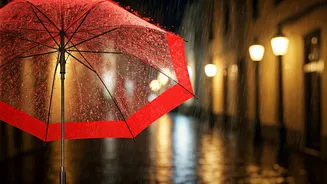
Grey skies don't mean bad photos. In fact, rainy weather can be a photographer's dream. The soft, diffused light is incredibly flattering for portraits, and the wet surfaces create beautiful, abstract reflections. Look for the vibrant colours that seem to pop against the grey backdrop—a bright yellow umbrella, a colourful doorway, or the deep green of wet foliage. Focus on details: raindrops on a flower petal, steam rising from a cup of chai, or the intricate patterns of light on a wet street. Just remember to protect your gear. A simple lens hood can keep drops off your lens, and shooting from under an awning provides shelter.
Adopt the Monsoon Mindset
In India, the monsoon isn't just weather; it's a cultural season. Embracing this mindset can transform your trip. The rain brings a sense of relief, romance, and renewal. Instead of fighting it, join in. Find a local tea stall, order a hot cup of chai and some crispy pakoras, and just enjoy the moment. The sound and smell of rain can be incredibly relaxing. Use the forced downtime to read a book, write in a journal, or simply talk to people. A rainy day allows you to connect with a place at a slower, more intimate pace, revealing a side of its personality that fair-weather tourists often miss.
Prioritise Health and Safety
While enjoying the rain, it’s important to be mindful of a few safety precautions. Wet surfaces, especially those with moss or algae, can be extremely slippery. Walk carefully and be aware of your footing, particularly on old stone steps or sloping paths. Puddles can hide potholes or uneven ground. During monsoon season, the risk of mosquito-borne illnesses like dengue and malaria increases. Be diligent about using a good insect repellent, especially in the evenings. Staying dry and warm is also key to preventing a cold from setting in and spoiling the rest of your trip.