

Choose Quick-Drying Fabrics
The single most important decision you'll make is your choice of clothing fabric. Heavy materials like denim and thick cotton absorb water and can take days to dry in humid conditions, leading to a musty smell. Instead, opt for lightweight, breathable
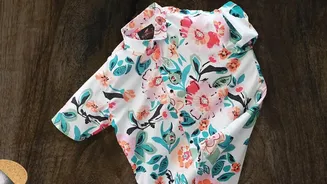
materials. Synthetics like polyester, nylon, and rayon are excellent choices as they repel water and dry quickly. Lightweight cotton and linen blends are also suitable, offering breathability for humid weather. Prioritizing these fabrics means that even if you get caught in a sudden shower, your clothes will be ready to wear again in no time.
Waterproof Your Luggage
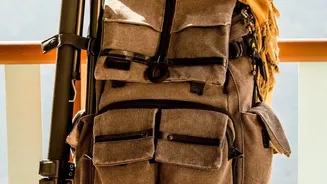
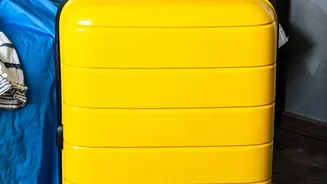
Your packing strategy is only as good as the bag you carry. A standard suitcase can easily get soaked on airport tarmacs, in the back of an auto-rickshaw, or during transfers. Invest in a fully waterproof backpack or a suitcase with a durable rain cover. For an extra layer of security, organize your belongings inside using waterproof stuff sacks or compression bags. This compartmentalizes your items and ensures that even if the outer bag gets damp, your clothes and essentials remain perfectly dry.
Protect Your Electronics
Water and electronics are a disastrous mix. To safeguard your phone, camera, laptop, and chargers, simple zip-lock bags are a surprisingly effective first line of defence. For more robust protection, consider dedicated waterproof pouches or dry bags. Double-bagging valuable items is a wise strategy. It’s also a good idea to toss a few silica gel packets into your electronics bag; they absorb ambient moisture and combat the high humidity that can cause damage even without direct rain exposure.
Pack the Right Footwear
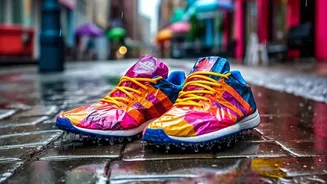
Navigating waterlogged streets and muddy paths requires the right footwear. Leave your leather shoes, canvas sneakers, and suede loafers at home, as water can ruin them. The best options are rubber-based, like waterproof floaters, flip-flops, or sturdy sandals with good grip. These don't absorb water, are easy to clean, and dry quickly. For more adventurous treks, a pair of quick-dry trekking shoes with anti-skid soles is a must to handle slippery terrain. Always pack an extra pair of shoes as a backup.
Invest in Quality Rain Gear
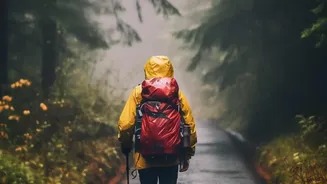
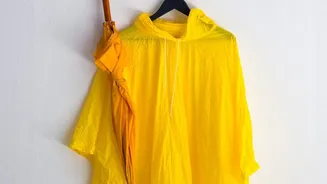
A reliable umbrella and a good raincoat are non-negotiable. When choosing an umbrella, look for one that is sturdy enough to withstand strong monsoon winds. For raincoats, a lightweight, breathable, and windproof jacket or poncho is ideal. A poncho offers the added benefit of being able to cover you and your backpack simultaneously, which is especially useful for hikers or commuters. This gear will be your most-used accessory, so investing in quality pays off.
Carry a Monsoon-Ready Medical Kit
The monsoon season can bring a higher risk of water-borne diseases and fungal infections. Your first-aid kit should be tailored accordingly. Include essentials like a hand sanitizer, insect repellent with DEET, and anti-fungal powder. Also pack basics such as adhesive bandages, antiseptic ointment, pain relievers, and any personal prescription medications. Having digestive aids and oral rehydration salts (ORS) on hand is also a smart precaution.
Opt for a Microfibre Towel
A standard cotton towel is bulky and takes a long time to dry in damp weather. A quick-dry microfibre towel is a travel game-changer. These towels are highly absorbent, incredibly lightweight, and pack down to a fraction of the size of a regular towel. Most importantly, they dry in a few hours, even in a humid hotel room, preventing the dreaded damp towel smell in your luggage.
Shorten Your Silhouettes
While long, flowing outfits might seem comfortable, they are impractical for the monsoon. The hems can easily drag through muddy puddles, getting them wet and dirty. Instead, opt for shorter lengths. Knee-length dresses, skirts, capris, and cropped trousers are far more practical. This simple adjustment keeps your clothes cleaner and makes it much easier to navigate wet streets without constantly worrying about your outfit.
Bring a Portable Power Bank
Heavy rains and strong winds can sometimes lead to power cuts, especially in more remote or hilly areas. A fully charged power bank is an essential backup to keep your phone and other necessary devices running. This ensures you can stay connected, access maps, and make calls, providing both convenience and a crucial safety net during your travels.
Pack Darker Colours
Light and pastel shades may look great, but they are unforgiving when it comes to mud splashes and water marks. Darker colours like navy, charcoal, olive green, and black are much more practical for monsoon travel. They do an excellent job of camouflaging accidental splashes, allowing you to go about your day without feeling self-conscious about stains. This lets you focus on the experience, not your laundry.