






The Rise of the Experience Economy
There’s a fundamental shift happening in Indian consumer culture. Recent reports confirm that younger generations, particularly Millennials and Gen Z, are increasingly directing their disposable income towards experiences rather than physical goods. According
to a June 2026 report by CBRE, spending on experiences like travel, hospitality, and leisure is projected to grow at a faster rate (10.3%) than spending on physical products (9.1%) between 2025 and 2030. This isn't just a fleeting trend; it's a structural reset. India's overall 'experience economy' is set to nearly double, from around $32 billion in 2024 to nearly $60 billion by 2030, powered by everything from live concerts and destination weddings to cultural tourism.
From 'What I Have' to 'Who I Am'
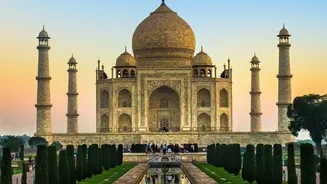
A key driver of this change is a new definition of status and identity. While previous generations often signalled success through material possessions, today's youth see experiences as a reflection of their personality, values, and personal growth. In an age dominated by social media, a weekend trek, a food festival, or an international music concert becomes a powerful form of self-expression. This is more than just 'fear of missing out' (FOMO); it's about building an “internal portfolio” of memories and skills. As one sociologist noted, identity is now increasingly tied to experiences that can be shared and celebrated, making a well-stamped passport more impactful than a luxury car. Research shows that experiences often lead to longer-lasting happiness compared to material purchases, a lesson many young Indians have internalised.
The Social Media Showcase
It is impossible to discuss this trend without acknowledging the immense influence of social media. Platforms like Instagram and YouTube have turned travel, dining, and live events into highly visual, shareable content. For many, experiences are curated with an audience in mind. This creates a powerful feedback loop: seeing others post about their travels and adventures inspires a desire to do the same, further fuelling the experience economy. Influencers, who often feel more relatable than traditional advertising, play a significant role in shaping these desires, making certain destinations or events trend. This digital showcase transforms personal activities into public statements, cementing their value in the social hierarchy of the young.
Economic Realities and Shifting Priorities
The choice is not purely philosophical; it's also pragmatic. For many young people, traditional markers of wealth, like owning a home in a major metropolitan area, feel increasingly out of reach. Faced with high property prices and economic uncertainty, investing in immediate, achievable experiences can feel more rational and rewarding than saving for a distant, perhaps unattainable, goal. Furthermore, the rise of budget airlines, accessible credit, and platforms that simplify booking has democratised experiences like travel. This financial reality, combined with a post-pandemic desire to make up for lost time, has encouraged a 'live for today' mindset. Many young professionals now create dedicated 'fun funds' to budget for experiences alongside their long-term investments, seeking a balance between financial security and personal fulfillment.