






Meet the Pink Powerhouse: Dragon Fruit
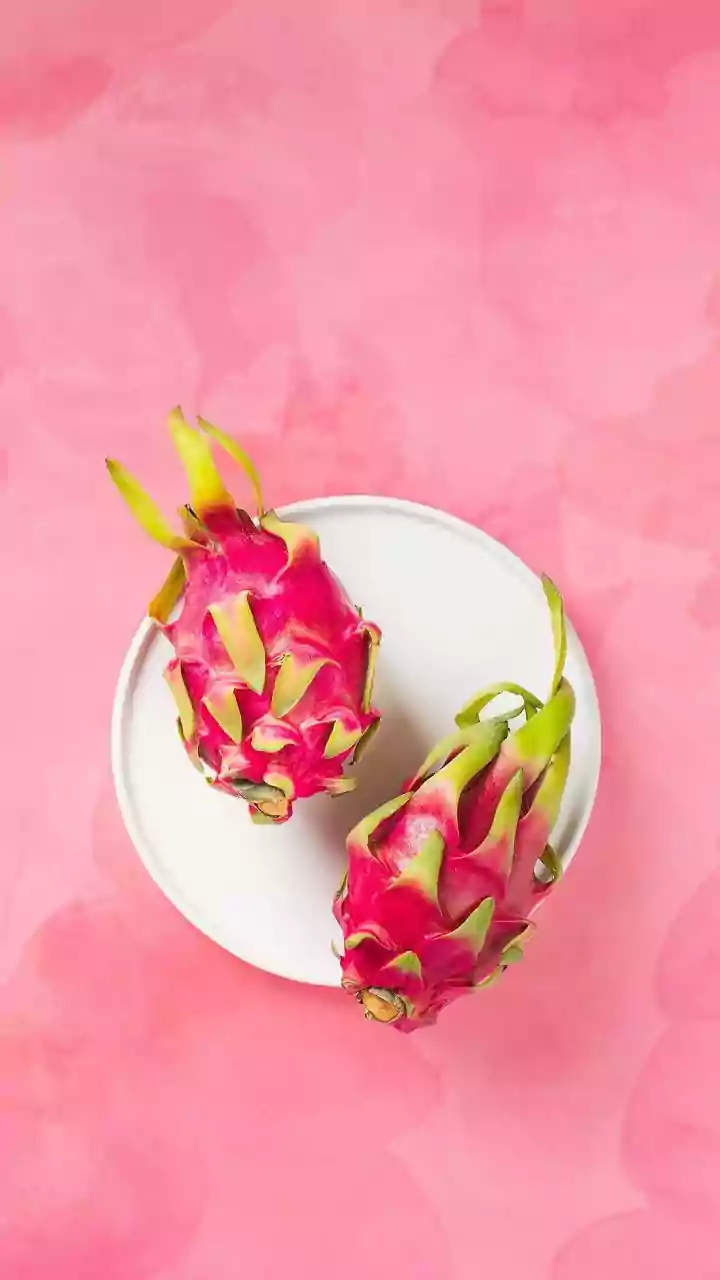
The secret to this gorgeous upgrade is dragon fruit, also known as pitaya. With its brilliant pink skin and green scales, it looks like something from another world. But inside, it’s a sweet, refreshing treat that’s becoming increasingly popular across
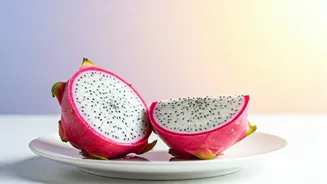
India. Originally from Central America, this tropical fruit now grows locally, making it easier to find from summer through the monsoon season. You'll typically find two main types: one with white flesh dotted with black seeds, and the star of our show, the variety with a jaw-droppingly vibrant magenta or deep pink flesh. Its taste is subtly sweet, often described as a mild cross between a kiwi and a pear, with a texture similar to a ripe watermelon thanks to its high water content. The tiny black seeds are edible and add a light, pleasant crunch.
More Than Just a Pretty Face
This fruit isn't just about looks; it's a nutritional champion. Dragon fruit is low in calories but packed with essential nutrients that make it a truly healthy 'upgrade'. It's an excellent source of Vitamin C, which is crucial for a strong immune system and glowing skin. It’s also loaded with fibre, which aids digestion and can help you feel full longer. The vibrant pink and red hues come from powerful antioxidants like betalains and flavonoids. These compounds help protect your cells from damage and may reduce inflammation. Furthermore, its seeds contain heart-healthy omega-3 and omega-9 fatty acids, which can contribute to lowering bad cholesterol.
From Market to Masterpiece
Choosing and preparing dragon fruit is simple. At the market, look for fruit with bright, evenly coloured skin. Avoid ones with too many brown spots or a dry, shrivelled stem. A ripe dragon fruit will have a slight give when you press it gently, much like a ripe avocado or kiwi. If it feels rock-hard, let it sit on your counter for a couple of days to soften. To prepare it, simply cut the fruit in half lengthwise. You can then scoop the flesh out with a spoon or slice it into wedges and peel the skin away. The magenta flesh can be cubed, sliced, or blended into a stunning purée that acts as a fantastic natural food colouring for countless dishes.
An Effortlessly Elegant Dessert: No-Bake Dragon Fruit Mousse
Ready to try it? A no-bake mousse is one of the easiest ways to showcase dragon fruit's colour and delicate flavour. This simple recipe requires just a few ingredients and minimal effort for a show-stopping result. Simply blend the puréed flesh of one pink dragon fruit with condensed milk or thick yoghurt until smooth. For a richer texture, you can fold this mixture into whipped heavy cream. To help it set, you can add a little gelatin or agar-agar. Pour the mixture into serving glasses and chill in the refrigerator for at least 3-4 hours until firm. The result is a light, creamy, and visually spectacular dessert that requires no cooking. Garnish with a few fresh mint leaves or some cubed dragon fruit before serving.
Beyond the Mousse: More Pink Inspiration
The versatility of dragon fruit doesn't stop at mousse. Its mild flavour and stunning colour make it a perfect addition to a wide range of Indian and Western desserts. Blend it into smoothies or lassis for a nutritious breakfast. Create a vibrant dragon fruit kulfi or peda for a modern twist on traditional favourites. You can even make a dragon fruit-infused sooji halwa (kesari) for a festive treat with a difference. It can be used to make cheesecakes, ice creams, and even layered cakes, proving that this pink upgrade is as adaptable as it is beautiful.