





The False Economy of an Overloaded Rack
The main goal of air-drying is to let air circulate freely around each piece of clothing, wicking away moisture. When you cram every available inch of your rack with wet garments, you create a dense, damp mass that prevents this essential airflow. This
might feel like you're being efficient by getting everything hung up at once, but it's a classic case of false economy. Clothes packed tightly together trap moisture between the layers, meaning they don't just dry slowly—they dry unevenly. You'll often find items are still damp in the middle or at the seams long after other parts feel dry, defeating the purpose of the exercise and significantly extending the overall time your laundry spends just sitting there.
A Breeding Ground for Mould and Musty Odours
Beyond just taking longer to dry, trapped moisture creates a bigger problem: it's the perfect breeding ground for mould and mildew. These fungi thrive in damp, stagnant conditions with little airflow—exactly the environment you create by overloading a drying rack. The result is that tell-tale musty smell that forces you to rewash the entire load, costing you more time, water, and detergent. Worse still, mould spores can be a health concern and can permanently damage fabric fibres, leaving behind stains and weakening the material. Ensuring clothes are completely dry before putting them away is one of the most critical steps in preventing mould.
Protecting Your Clothes and Your Rack
Overcrowding doesn't just affect drying time; it can physically damage your clothes and the rack itself. When garments are bunched up, they dry with deep-set wrinkles that are difficult to iron out. The weight of many wet clothes can also cause fabrics, especially delicate ones like wool or rayon, to stretch and lose their shape. Furthermore, drying racks are not indestructible. They have weight limits, and a heavy load of water-logged laundry can easily exceed them. This puts immense strain on the joints and bars, leading to bending, warping, or even a complete collapse over time.
The Better Way: Air-Drying Best Practices
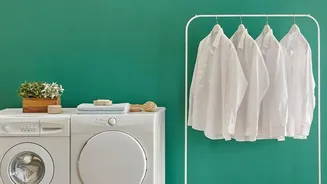
To get the most out of air-drying, the key is to maximize airflow and give each item its own space. Before hanging, give each piece a good shake to untangle it and reduce wrinkles. Space garments out on the rack, leaving a gap between each one. For shirts and blouses, using hangers is a great way to save space on the bars while ensuring even drying and fewer wrinkles. Creating air movement is also crucial. If you're drying indoors, open a window or use a fan to circulate the air, which will dramatically speed up the process. A dehumidifier can also be a huge help, especially in humid climates, by pulling moisture out of the air. For heavier items like towels or jeans, consider giving them an extra spin cycle in the washing machine to remove as much water as possible before hanging.