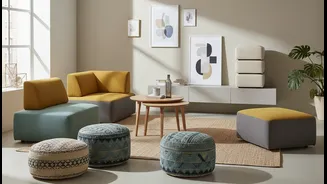


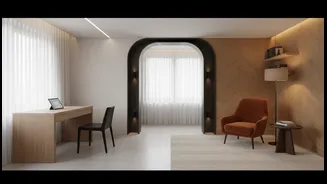
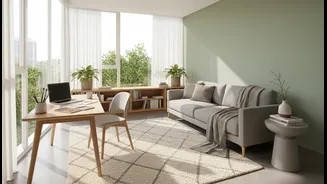


The Small Space Conundrum
Anyone who has lived in a compact apartment, especially in a bustling Indian city, understands the daily negotiation for space. Floors become cluttered with necessities, furniture can feel oversized and awkward, and the overall atmosphere can quickly
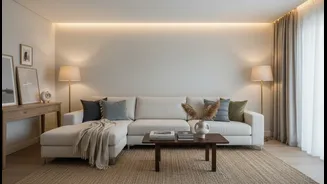
shift from cosy to cramped. This isn't just an aesthetic issue; a poorly arranged space impacts functionality and can even add to daily stress. The core problem is often a reactive approach to furnishing, where pieces are acquired and placed without a master plan, leading to poor traffic flow and underutilised corners.
Your Blueprint for a Better Layout
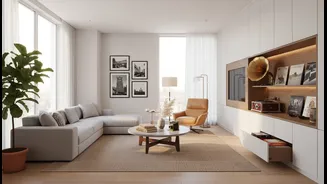
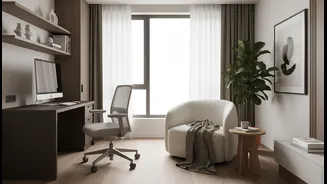
Before bringing in any furniture or decor, the most crucial step is planning. Effective space planning is the foundation of good interior design, ensuring functionality, flow, and visual harmony. Start by measuring your entire space, including windows and doorways. Sketch a floor plan, either on paper or using one of the many free online tools. This allows you to experiment with furniture arrangements virtually, saving you the physical effort of moving a heavy sofa multiple times. Consider how you live. Where does the main pathway need to be? Does your work-from-home area need to be separate from your relaxation zone? A well-planned layout can make a space feel significantly larger and more organised.
Look Up: The Magic of Vertical Space
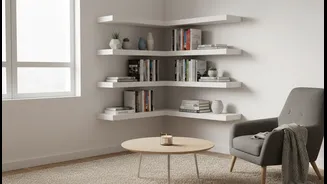
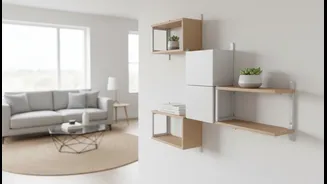
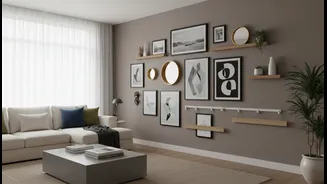
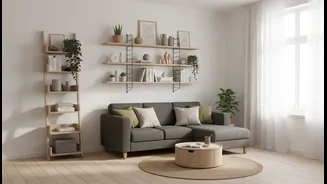
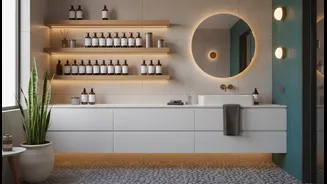
In any small home, the most underutilised asset is the wall. The mantra should be to keep the floor area as clear as possible by thinking vertically. This is where “vertical mounting arrays” — a technical term for smart, wall-based storage systems — come into play. Instead of a bulky bookcase that eats up floor space, consider floor-to-ceiling shelves that draw the eye upward. Wall-mounted desks that fold away, floating shelves for photos and plants, and hanging racks in the kitchen can dramatically increase your storage capacity without adding to the clutter on the ground.
The Renter’s Dilemma: Avoiding Wall Damage
For renters, the prospect of drilling into walls is daunting. The fear of losing a security deposit over nail holes, chipped paint, or larger anchor holes is very real. Landlords often have strict rules against modifications that leave permanent marks. This creates a conflict: you need the storage and personalisation that wall mounting provides, but you cannot risk the financial penalty upon moving out. This is precisely why damage-free solutions are not just a convenience but a necessity for modern renters.
Your Toolkit for Damage-Free Mounting
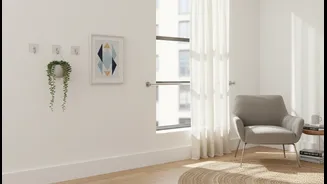
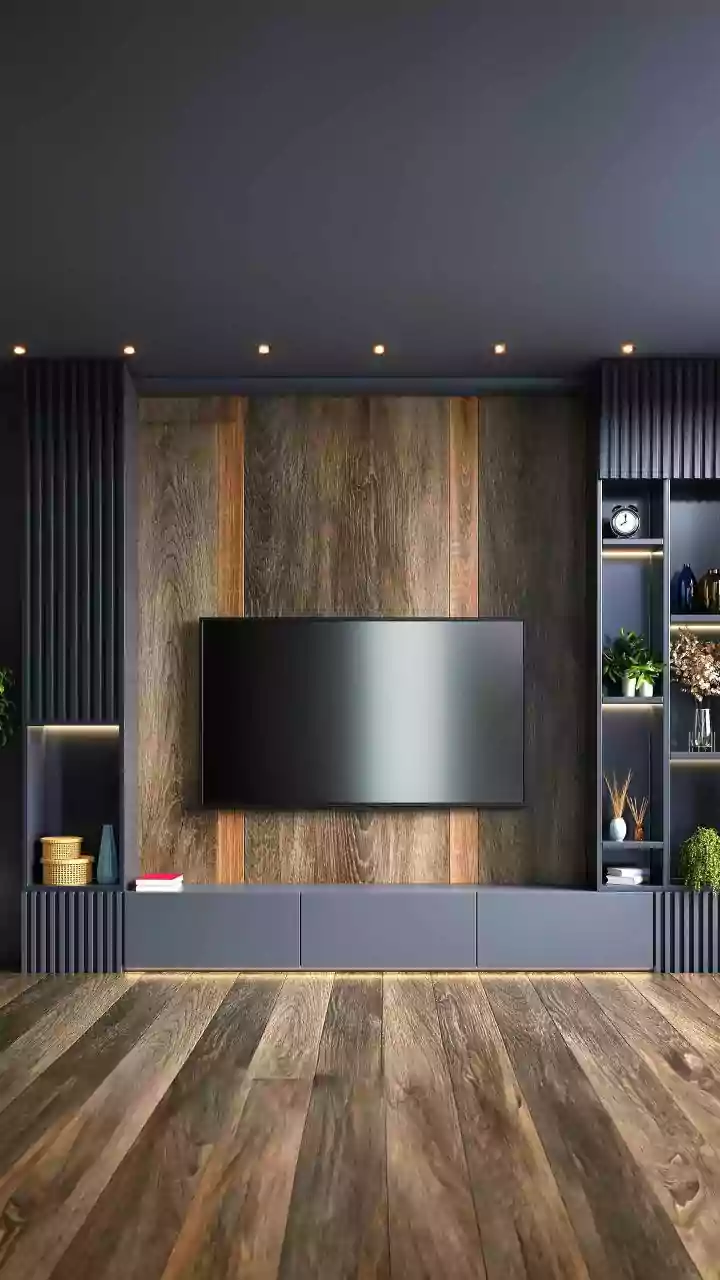
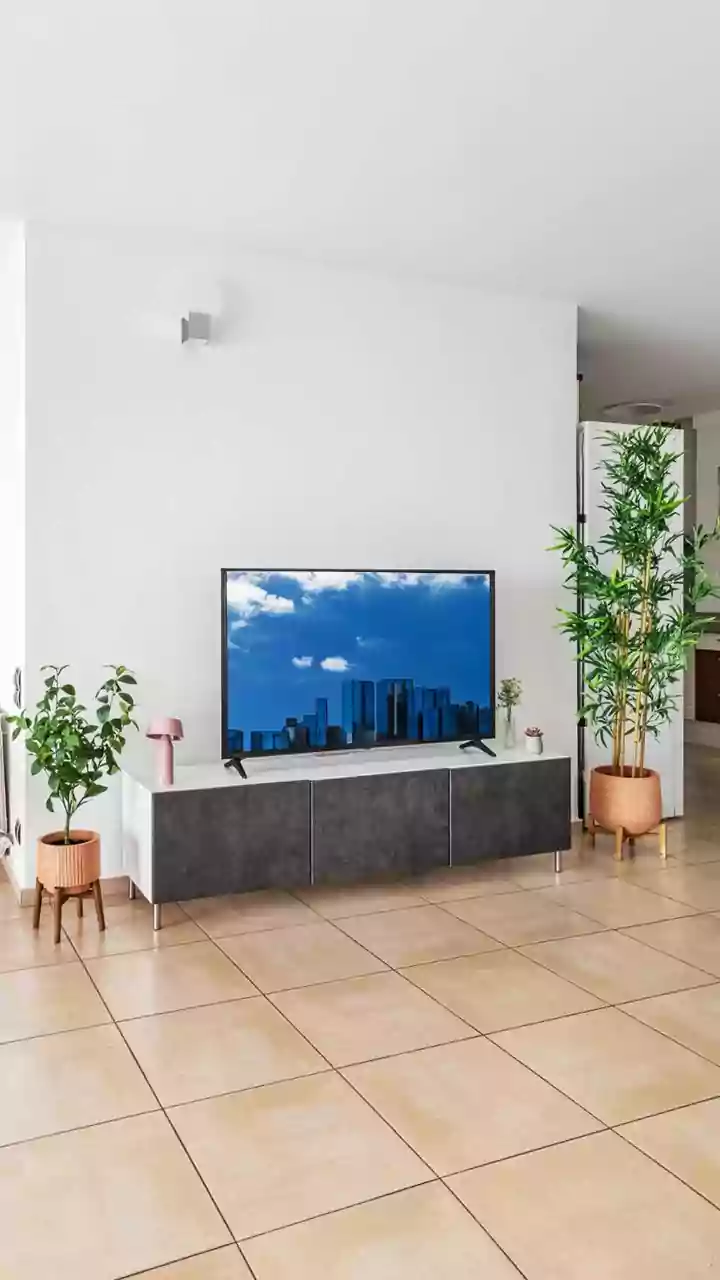
Thankfully, the market is filled with innovative products designed for this exact problem. These systems allow you to hang everything from lightweight photos to heavy televisions without a drill. Strong adhesive strips and hooks are perfect for frames, keys, and kitchen utensils, and they remove cleanly when you pull a tab. For heavier items, consider tension pole systems that wedge securely between the floor and ceiling, providing a sturdy frame for shelves or even a TV mount. Other options include hook-and-loop tapes for items you need to access often and even no-stud TV mounts that use tiny, easily patched nail holes instead of large bolts. Always check the weight limits on the packaging to ensure your items are secure.
Putting It All Together
The magic happens when precise layout planning meets smart, damage-free mounting. Your digital floor plan can map out not just where the bed and sofa go, but also which walls are best suited for vertical storage. For example, a narrow hallway can be transformed with a series of shallow floating shelves for books. The wall above your desk can host a pegboard organiser for stationery. By planning first and then using the right renter-friendly tools, you transition from simply living in a space to truly designing it for your lifestyle. This proactive approach ensures every inch is used effectively, creating a home that is organised, personal, and, most importantly, keeps your security deposit safe.