
What Exactly Is a Meteor Shower?
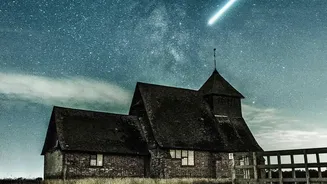
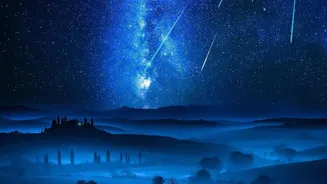
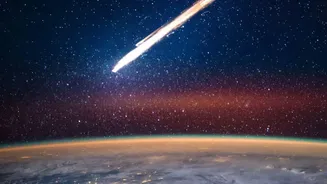
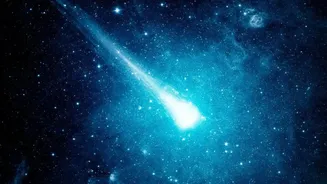
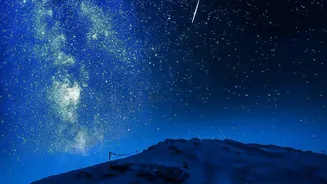
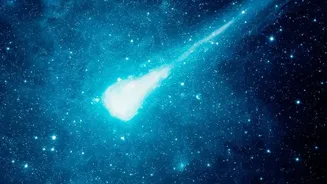
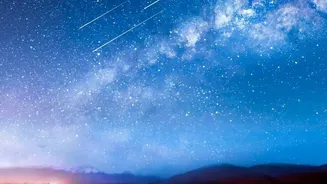
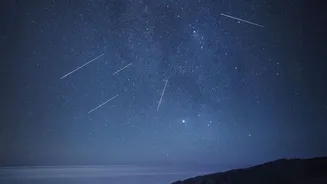
Commonly called “shooting stars,” meteors aren’t stars at all. They are tiny specks of cosmic dust and rock, often no bigger than a grain of sand, that burn up upon entering Earth’s atmosphere at incredibly high speeds. This process heats the air around
the particle, causing a brilliant, fleeting streak of light. Meteor showers happen when Earth passes through a dense trail of debris left behind by a comet or, in some cases, an asteroid. Because our planet travels through these same debris streams at the same time each year, major meteor showers are predictable annual events.
The Perseids: A Summer Spectacle
The Perseid meteor shower is one of the most famous and beloved showers of the year, largely because it occurs during the pleasant nights of the Northern Hemisphere's summer. The Perseids are active from mid-July to late August, peaking on the night of August 12-13 in 2026. These meteors are pieces of debris from the massive Comet Swift-Tuttle, which last passed near Earth in 1992. The 2026 peak is expected to be particularly spectacular because it coincides with a new moon, which means the sky will be exceptionally dark, allowing even faint meteors to be seen. Under ideal conditions, observers can see between 50 and 75 meteors per hour.
The Orionids: An Autumn Treat from Halley's Comet
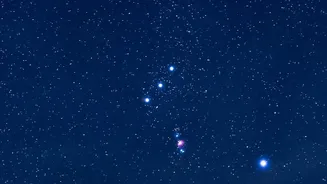
As autumn arrives, the Orionid meteor shower offers another chance to see some cosmic fireworks. Active from early October to early November, the Orionids are created from dust left by the most famous comet of all: Halley's Comet. In 2026, the shower is predicted to peak on the night of October 21-22. While not as prolific as the Perseids, the Orionids can still produce about 15 to 25 meteors per hour in a dark sky. What they lack in numbers, they often make up for in speed, hitting the atmosphere at about 66 kilometres per second, which can result in bright meteors that leave persistent, glowing trails. Although a bright moon will be present for part of the night, it will set in the early morning hours, leaving a window of dark sky for viewing before dawn.
The Key to a Great View: Escape the City Glow
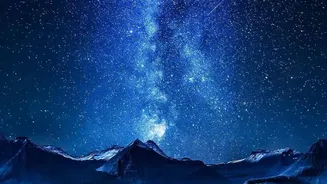
The single most important factor for watching any meteor shower is getting away from light pollution. The glow from city lights can wash out all but the very brightest meteors, reducing a potential shower to just a handful of visible streaks. To truly experience the show, you need to find a location with a dark, open sky. This doesn't necessarily mean a cross-country trip; often, a 30- to 60-minute drive outside a major urban or suburban centre is enough to dramatically improve your view. Designated dark sky parks or reserves are ideal, but any rural area, state park, or remote countryside spot will work. The darker the site, the more shooting stars you will see.
Finding Your Dark-Sky Haven in India
India’s diverse geography offers a wealth of prime stargazing locations away from metro areas. The high-altitude deserts of Ladakh and Spiti Valley are legendary for their pristine skies, with Hanle in Ladakh being home to India's first official Dark Sky Reserve. For those seeking more accessible options, the Rann of Kutch in Gujarat provides a vast, flat landscape with an unobstructed horizon. In Rajasthan, the areas around Jaisalmer and the Thar Desert offer incredible views once you get away from the city. In the south, hill stations like Coorg and Kodaikanal, nestled in the Western Ghats, provide pockets of darkness perfect for a celestial escape. Even locations a few hours from major hubs, like Jawhar near Mumbai, can offer a significantly better stargazing experience.
Your Viewing Checklist for Success
Once you've chosen your spot, a little preparation goes a long way. First, check the weather forecast for clouds. The best time to watch is generally between midnight and the first light of dawn, as this is when you are on the side of Earth moving into the debris stream. You don't need a telescope or binoculars; your eyes are the best tool for the job. Find a comfortable spot and lie on a blanket or recline in a chair to get a wide view of the sky. Crucially, give your eyes at least 20-30 minutes to fully adapt to the darkness, and avoid looking at your bright phone screen. Finally, be patient. Meteor showers are more of a steady trickle than a downpour, but the wait is always worth it when a brilliant fireball streaks across the heavens.