



The Daily Gridlock Dilemma
Major Indian cities are infamous for their traffic congestion. Bengaluru and Pune, for instance, consistently rank among the world's most congested urban areas, where commuters can lose hundreds of hours each year just sitting in traffic. In cities like
Mumbai and Delhi, average speeds during peak hours plummet, turning what should be a short journey into a time-consuming ordeal. This reality makes large vehicles like cars impractical for daily essential travel, as they are often stuck in slow-moving queues, battling for space on saturated roads.
The Agility Advantage: Speed Where It Counts
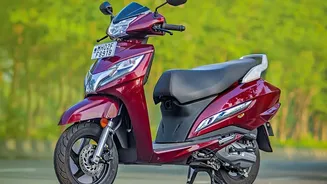
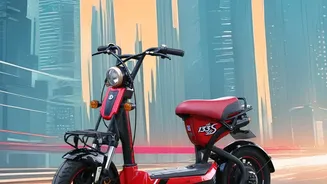
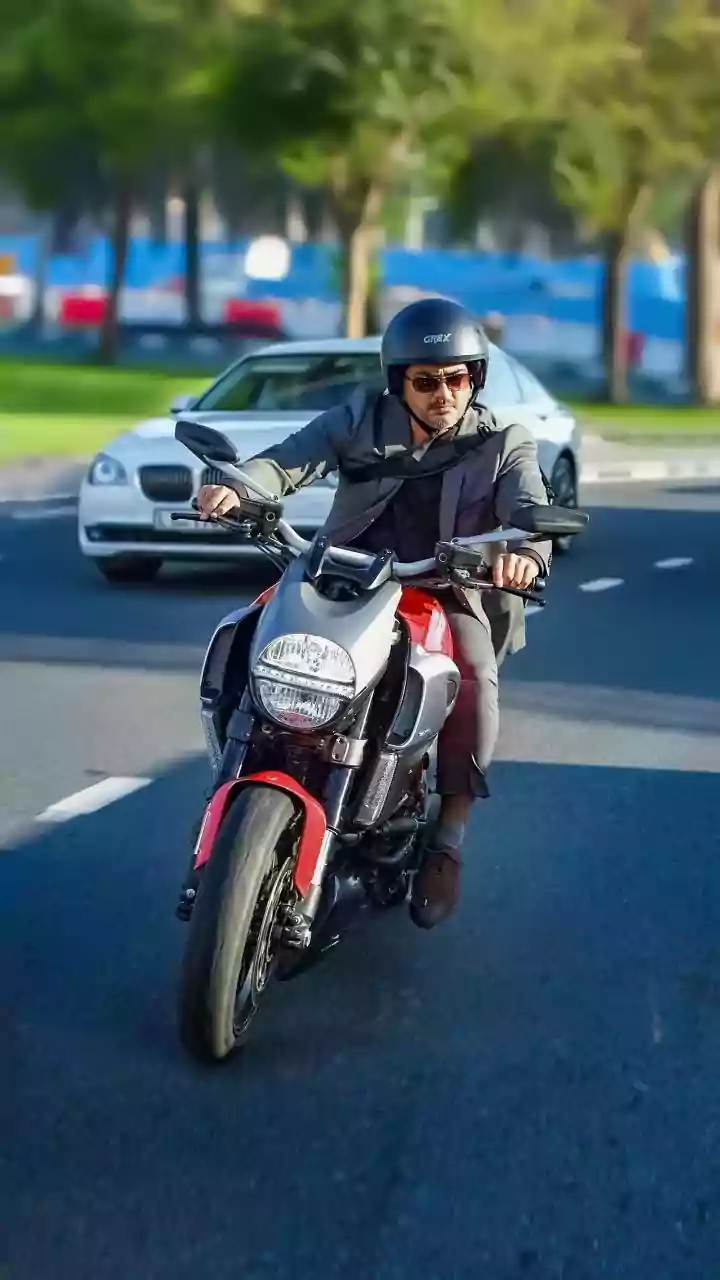
This is where the two-wheeler—be it a motorcycle or a scooter—proves its worth. Its compact size and agility are its superpowers. Riders can navigate narrow lanes, filter through gaps in traffic, and find alternative routes that are inaccessible to cars. This ability to weave through gridlock is a primary reason why two-wheelers are significantly faster for city commutes. For a daily commuter, this time saved is invaluable, translating into more productive hours at work or more time spent with family.
Unmatched Economic Sense
Beyond speed, two-wheelers are the undisputed champions of affordability. The initial purchase price is a fraction of a car's, making them accessible to a much wider population. But the savings don't stop there. With impressive fuel efficiency, often delivering between 50 to 70 kilometres per litre, they keep running costs low. Maintenance, spare parts, and insurance are also significantly cheaper, making the overall cost of ownership highly economical for the average Indian household. This financial practicality is a cornerstone of their enduring popularity.
Powering the On-Demand Economy
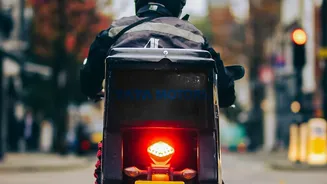
The reliability of two-wheelers is the engine of India's booming gig economy. Services like food delivery, e-commerce, and hyperlocal grocery depend on a vast network of riders who can promise speed and punctuality. Two-wheelers are the only vehicles that can reliably meet the tight delivery windows of a '10-minute' grocery run or a hot meal delivery, navigating complex residential areas and commercial districts with ease. This has not only transformed urban logistics but also created millions of employment opportunities, establishing two-wheelers as a critical component of modern city commerce.
Solving the Last-Mile Puzzle
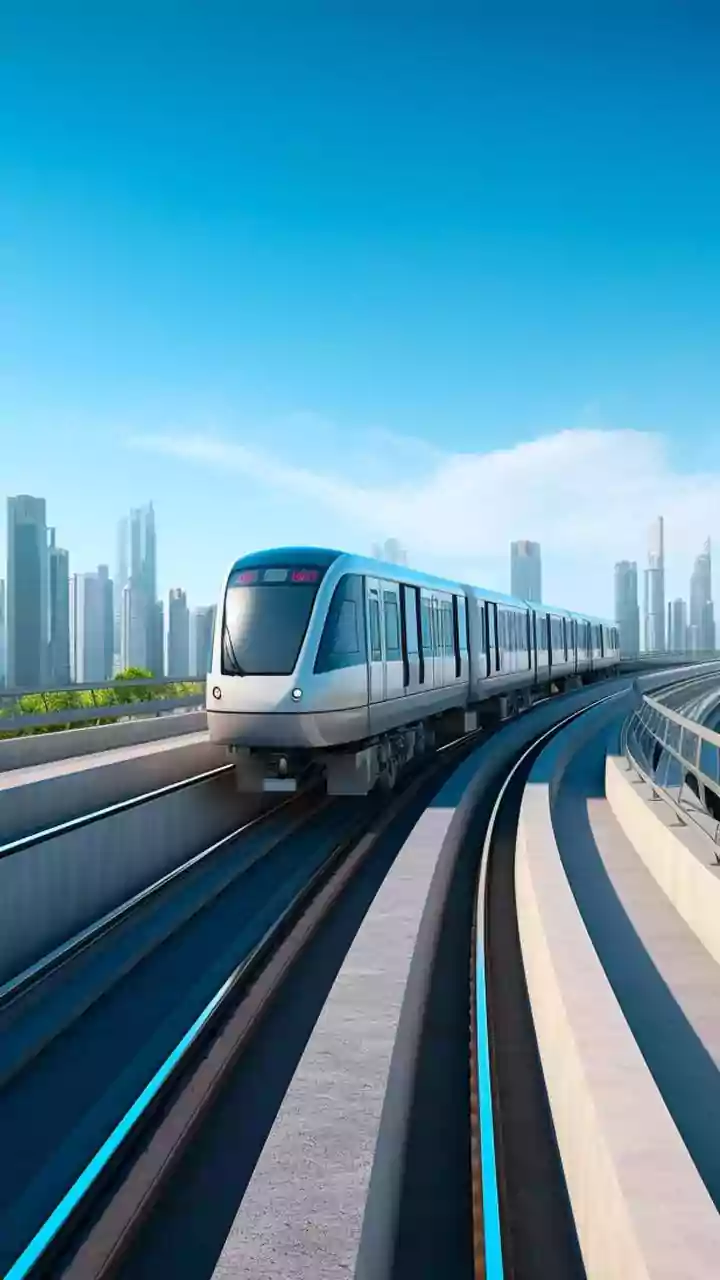
Even with expanding metro networks, public transport often falls short of providing true door-to-door service. This 'last-mile' gap—the distance from a metro station or bus stop to one's home or office—is perfectly filled by two-wheelers. They offer a flexible and on-demand solution that public transit cannot, ensuring that commuters can complete their journeys quickly and efficiently. This synergy between public transport and personal mobility makes the entire urban transport ecosystem more functional.
Looking Ahead: Challenges and Evolution
Of course, the reliance on two-wheelers is not without its challenges, including road safety concerns and pollution. Riders often face difficult road conditions and the mental fatigue of navigating chaotic traffic. However, the industry is evolving. A growing emphasis on rider safety, coupled with the steady rise of electric two-wheelers, is beginning to address these issues. Electric models promise not only lower running costs and reduced maintenance but also a cleaner, quieter ride, aligning with the vision for smarter, more sustainable Indian cities.