






The End of Easy Claims
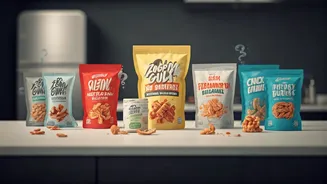
The age of accepting splashy front-of-pack claims at face value is rapidly closing. In mid-2026, India's food regulator, the FSSAI, began a significant crackdown, issuing notices to over a dozen major food companies for using potentially misleading terms
like “healthy,” “natural,” and “zero maida” on their packaging. This action targets products from fruit juices and biscuits to noodles and vegan items, signaling a new era of accountability. Brands can no longer use buzzwords to create a 'health halo' around products that might be high in sugar, salt, or fat. The message from the regulator is clear: the marketing on the front must match the facts on the back.
Decoding the New Rules
This crackdown is a prelude to a much larger change: the mandatory introduction of Front-of-Pack Labelling (FOPL). The FSSAI is finalizing a system called the Indian Nutrition Rating (INR), a version of the Health Star Rating (HSR) model. This system will assign packaged foods a rating from half a star (least healthy) to five stars (healthiest). The rating will be based on an item's overall nutritional profile, specifically considering its levels of fat, sugar, and salt. The goal is to provide a simple, visual cue that helps consumers make healthier choices in seconds, without needing to decipher the complex nutrition table on the back of the pack.
A Push for Public Health
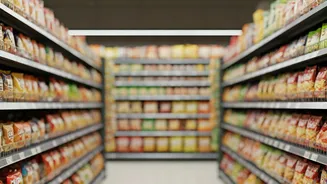
This regulatory overhaul isn't happening in a vacuum. It is a direct response to India's growing public health concerns, including rising rates of obesity, diabetes, and heart disease. Unhealthy diets are now linked to a significant portion of the nation's total disease burden. Recognizing the urgency, the Supreme Court of India directed the FSSAI in early 2026 to finalize and implement a clear FOPL framework. The move acknowledges that existing back-of-pack labels are often confusing and ineffective for the average shopper, who may only spend a few seconds making a purchase decision.
Not All Stars Are Gold
While the move towards clearer labelling is widely supported, the choice of a star-rating system has sparked debate. Many public health advocates and consumer groups have argued for simple, direct warning labels—such as a black octagon indicating 'High in Sugar'—which are used in countries like Chile. They argue that a star rating could create a misleading 'health halo'. For instance, a sugary biscuit might get a higher star rating simply by adding a small amount of 'healthy' nuts or fibre, potentially confusing consumers into thinking it's a healthy choice. The food industry, on the other hand, has generally favored the star system over explicit warnings.
How to Be a Smart Shopper Today
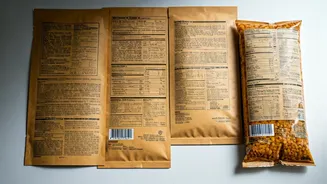
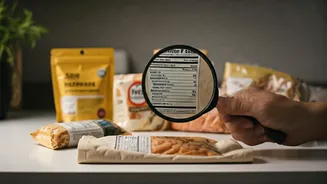
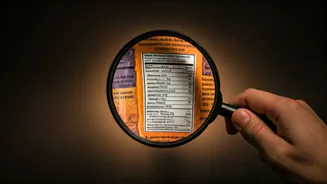
While these changes roll out, you can become a smarter snacker right now. The first rule is to be skeptical of front-of-pack claims. Ignore words like 'wholesome', 'natural', or 'multigrain' and turn the package over. The real story is in the ingredient list and the nutritional information panel. Ingredients are listed in descending order by weight, so if sugar is one of the first three ingredients, it's a major component. Pay attention to the amounts of total sugar, sodium, and saturated fat per 100g. This allows you to compare different products fairly, moving beyond the marketing and making a truly informed choice.