





The thought of a problem in the cockpit mid-flight is understandably alarming. Yet, modern aviation is built on layers of redundancy and rigorous protocols designed to handle such rare events, ensuring the safety of everyone on board.
The First Line of Defence: The Cockpit Door
Since the terror
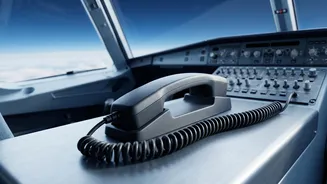
attacks of September 11, 2001, cockpit doors on commercial aircraft are no longer the simple partitions they once were. International regulations mandate that they be reinforced, bullet-resistant, and capable of withstanding significant force. These doors remain locked during flight, controlled exclusively by the pilots from inside. Should a crew member need to enter, a strict protocol involving communication with the flight deck is followed. In an emergency where pilots are unresponsive, cabin crew can use a special access code, but this triggers an alarm in the cockpit, and the pilots can override the entry request if they perceive a threat. This creates a formidable physical barrier against unauthorized access.
Two Pilots Are Better Than One
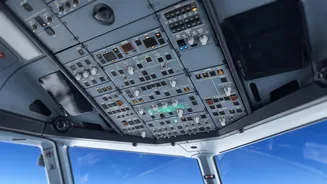
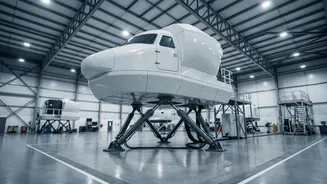
Commercial airliners are always operated by at least two pilots: a captain and a first officer. This is a fundamental safety redundancy. Both are fully qualified to fly the aircraft alone. In the event one pilot becomes incapacitated, whether due to a medical issue or other cause, the other pilot is trained to take full control, manage the situation, and safely land the plane. Pilots undergo recurrent training for these specific scenarios, practicing the procedures for identifying incapacitation, taking command, and re-distributing the workload to safely manage the flight. The principle is simple: flying the plane always comes first.
Silent Alarms to the Ground
If a disruption occurs, pilots can communicate the nature of the problem to Air Traffic Control (ATC) without speaking a word. This is done via the aircraft's transponder, which can be set to specific four-digit 'squawk' codes. The code 7700 signals a general emergency, immediately alerting every controller in range that the aircraft is in distress and requires priority handling. The code 7600 is used for a loss of radio communication, while 7500 is a globally recognized, discreet signal for an unlawful interference or hijacking. These codes ensure that even if verbal communication is impossible, the situation on board is understood on the ground.
The Team on the Ground Springs to Action
Once an emergency code is received or a 'Mayday' call is made, Air Traffic Control becomes a critical part of the safety net. Controllers are trained to immediately prioritize the emergency aircraft, clearing airspace around it to provide a direct route to the nearest suitable airport. They act as a lifeline, providing crucial information about weather, runway conditions, and airport readiness. ATC also coordinates the ground response, alerting airport rescue and firefighting (ARFF) crews, medical services, and security personnel to be on standby for the aircraft's arrival, ensuring a swift and organized response once the plane lands.
Cabin Crew: The Eyes and Ears of the Plane
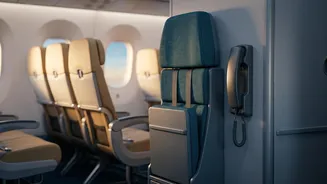
Flight attendants are more than just service professionals; they are highly trained safety and security personnel. Their training includes handling unruly passengers, identifying potential threats, and managing in-flight emergencies. They are the pilots' eyes and ears in the cabin and are trained to de-escalate situations and, if necessary, physically restrain a disruptive individual with the assistance of passengers. During critical phases of flight, such as takeoff and landing below 10,000 feet, the 'Sterile Cockpit Rule' is in effect, which prohibits all non-essential communication to ensure pilots remain focused.