




An Astronomical Event in August
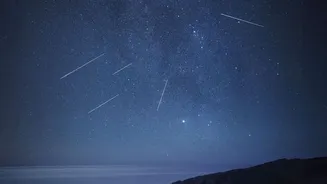
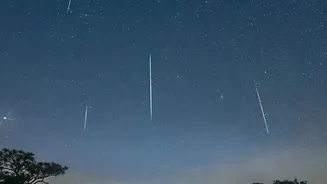
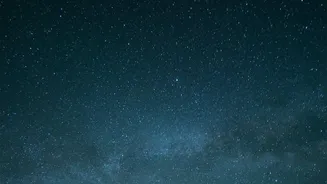
The annual Perseid meteor shower is set to put on a spectacular performance, peaking on the night of August 12-13, 2026. This year is particularly special because the peak coincides with a new moon, which means the sky will be exceptionally dark, allowing
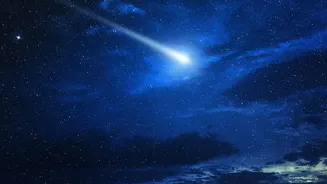
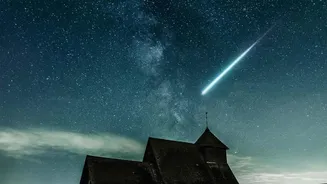
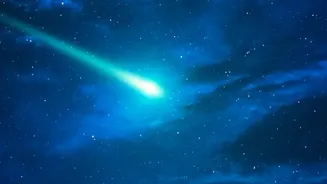
even faint meteors to be visible. Caused by the Earth passing through the debris trail of Comet Swift-Tuttle, the Perseids are known for their bright, fast meteors, often leaving glowing trails. Under ideal conditions, viewers can expect to see up to 100 meteors per hour. For observers in India, the best viewing window is between 2:00 AM and the pre-dawn hours of August 13.
Hanle, Ladakh: India's Dark Sky Paradise
Topping any list of astronomical destinations is Hanle in Ladakh, home to India's first and only designated Dark Sky Reserve. Located at an altitude of 4,500 metres, Hanle's high-altitude desert environment provides over 250 clear nights a year with minimal light pollution and dry air, making it arguably the best place in the country for stargazing. The reserve was established to protect the area's pristine skies, making it a haven for both professional astronomers at the Indian Astronomical Observatory and amateur sky-watchers. During the Perseids, the combination of high altitude and protected darkness means you'll have an unparalleled view of the celestial action.
Spiti Valley, Himachal Pradesh: A High-Altitude Haven
Spiti Valley is another prime destination for catching the meteor shower. Its remote location and high average altitude of over 4,000 metres ensure minimal light pollution and a thin, clear atmosphere. Villages such as Kibber, Langza, and Komic are particularly famous among stargazers for their incredibly dark skies. During August, Spiti is in a rain-shadow area, meaning it escapes the heavy monsoon clouds that cover much of India, greatly increasing your chances of a clear night. The dramatic mountain landscapes provide a stunning foreground for the shooting stars streaking overhead.
Kausani & Mukteshwar, Uttarakhand: The Himalayan Balcony
For those seeking accessible yet dark skies, the Kumaon region of Uttarakhand is an excellent choice. Hill stations like Kausani and Mukteshwar offer panoramic views of the Himalayas and are far enough from major urban centres to provide a good stargazing experience. These locations are known for their clear views and have become popular spots for amateur astronomers. While they may have slightly more light pollution than Ladakh or Spiti, they offer a great balance of accessibility and dark skies, making them a fantastic option for a shorter trip to witness the meteor shower.
Coorg, Karnataka: A Southern Gem
While the Himalayas offer the highest altitudes, you don't have to go north to find dark skies. In South India, Coorg in the Western Ghats provides a wonderful alternative. The region's coffee plantations and remote homestays, situated at altitudes of 900-1800m, offer clear, dark skies away from city lights, especially in areas around Madikeri and Virajpet. While August is monsoon season, breaks in the cloud cover can reveal a brilliantly starry sky. It's a great option for those in southern India looking to escape light pollution and enjoy the celestial show.
Tips for the Best Viewing Experience
To make the most of the meteor shower, no special equipment is needed; the naked eye is best. Find a comfortable spot with a wide, unobstructed view of the sky, far from any artificial lights. Allow your eyes about 20 to 30 minutes to fully adjust to the darkness, and avoid looking at your phone screen as the bright light will ruin your night vision. Patience is key, as meteors often appear in spurts. Dress warmly, especially at high altitudes, lie back, and enjoy the show.