







Understanding a Red Alert
A red alert is the highest level of warning issued by the IMD, signifying that extremely heavy rainfall (over 204.5 mm in 24 hours) is expected. This level of precipitation poses a significant threat to life and property. In the unique topography of the Western
Ghats, this translates to a high risk of dangerous landslides, flash floods, overflowing rivers, and widespread disruption to transport and essential services. The alert is a directive for both citizens and authorities to take immediate protective measures.
Before the Rains Intensify: Your Preparation Checklist
Being prepared can drastically reduce risk. Before the worst of the weather hits, focus on creating a safety buffer. Assemble an emergency kit with non-perishable food, drinking water, a first-aid kit, torches, extra batteries, and a battery-powered radio. Charge all your electronic devices and power banks. Secure your home by checking for loose roof tiles and clearing drains to prevent waterlogging. If you live in a landslide-prone or low-lying area, identify the safest and quickest route to higher ground or a designated shelter. Store important documents in a waterproof container.
During the Alert: Prioritise Staying Put
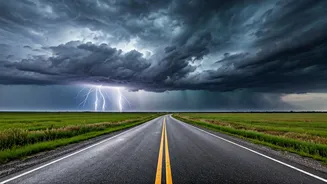
The safest place to be during a red alert is indoors, away from the immediate dangers. Avoid all non-essential travel. The treacherous ghat roads become extremely slippery and are prone to sudden mudslides and roadblocks. If you are at home, stay away from windows and doors. Monitor official updates from the IMD and local disaster management authorities. Turn off the main electrical supply if your home begins to flood, but only if you can do so from a dry area. Avoid using landline phones and unplug appliances to protect against power surges from lightning.
If You Are Caught Outdoors or Must Evacuate
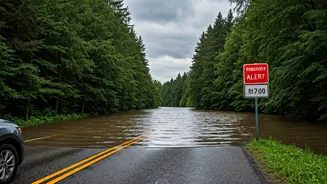
If you are caught outside, your priority is to find safe shelter immediately. Do not attempt to walk, swim, or drive through flooded roads, as the water can be deeper and faster-moving than it appears. Stay away from steep slopes, riverbanks, and areas known for landslides. Listen for unusual sounds like cracking trees or rolling boulders, which can signal an imminent landslide. If authorities issue an evacuation order for your area, comply immediately. Follow the designated evacuation routes, as shortcuts may be blocked or more dangerous.
After the Alert Is Lifted: Proceed with Caution
Dangers remain even after the rain stops. Stay away from the landslide-affected areas, as secondary slides are a real possibility. Be vigilant for displaced wildlife, including snakes, that may have sought shelter in or around your home. Check your home's stability and look for any structural damage before re-entering. Avoid downed power lines and report them to the authorities. Until you are certain the tap water supply is safe and uncontaminated, stick to boiled or bottled water.