



A deadly high-speed train collision in Spain has cast a shadow over rail projects globally, sparking questions about the safety of India’s own ambitious bullet train network. But how do the technologies compare, and what lessons can be learned?
Tragedy on the Madrid-Seville Line
In late
October 2026, a high-speed train operated by state-owned Renfe crashed into a stationary train near Urda, south of Madrid, resulting in 69 fatalities. The incident occurred after a critical automatic safety and communication system failed, leading a control centre to manually authorise the Renfe train to proceed on a track that was not clear. This was Spain's second fatal high-speed rail accident in less than a year, raising serious questions about the network's safety protocols and human oversight, and leading to the transport minister's resignation.
India's High-Speed Dream
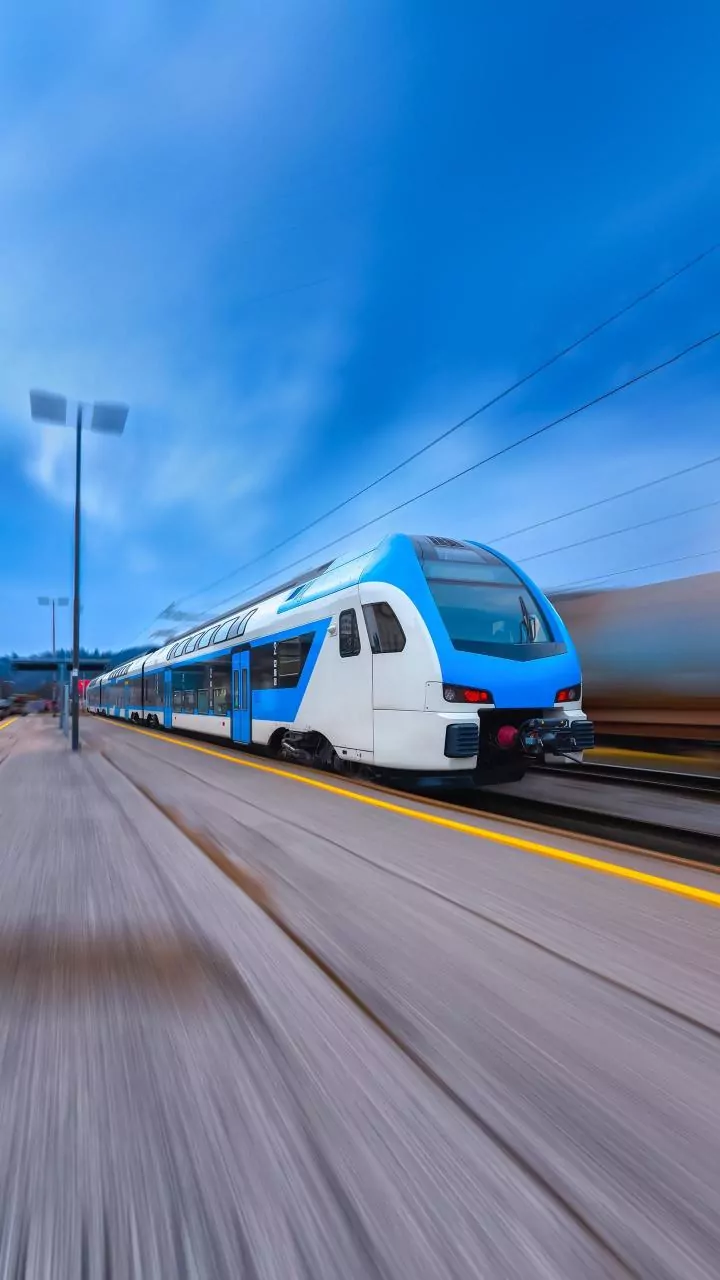
Meanwhile, India is forging ahead with its first high-speed rail line, the Mumbai-Ahmedabad High-Speed Rail (MAHSR) corridor. This 508-kilometre project is a cornerstone of the country's infrastructure ambitions, promising to connect the two financial hubs in under two hours. With trial runs for the first section expected by mid-2027 and commercial operations slated for August 2027, the project is rapidly moving from blueprint to reality. Understandably, any major international rail accident prompts public concern about the safety of such a monumental domestic undertaking.
The Shinkansen Difference
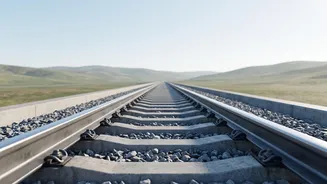
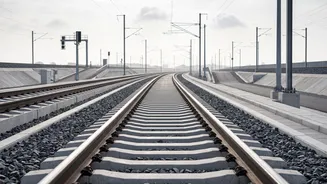
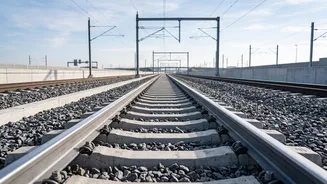
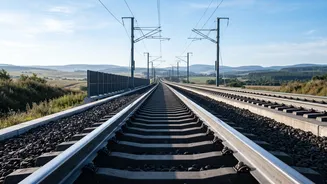
Crucially, the technology underpinning India's bullet train is fundamentally different from many other high_speed systems. The MAHSR project is being built using Japan’s Shinkansen technology, which operates on a principle of 'crash avoidance'. First launched in 1964, the Shinkansen system has a remarkable safety record with no fatal accidents due to derailments or collisions in its history. The core of its success lies in its design as a completely standalone system. Shinkansen trains run on fully dedicated tracks, with no level crossings and no interference from slower conventional passenger or freight trains. This eliminates many of the risks associated with mixed_use railway lines, where differences in speed and braking performance can create hazards.
A Fortress on Rails
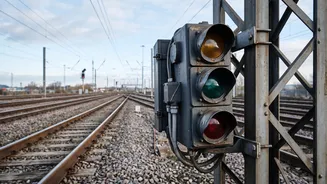
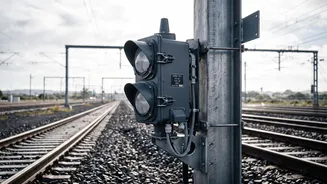
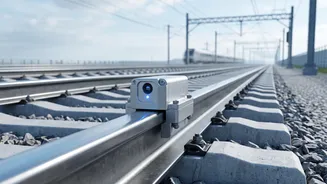
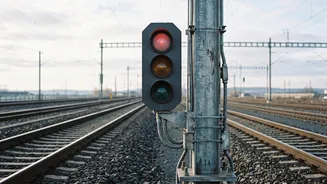
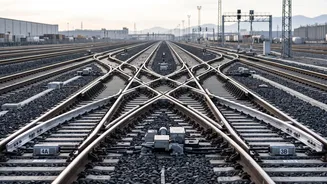
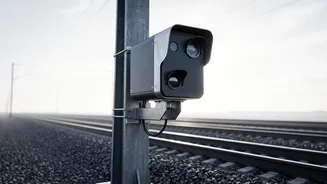
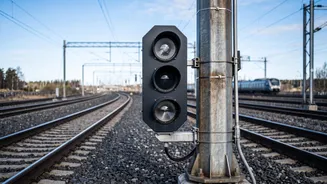
The safety of the Shinkansen system, and by extension India's bullet train, is built in layers. An Automatic Train Control (ATC) system constantly monitors speed and distance, capable of applying brakes automatically to prevent collisions. The tracks are equipped with advanced 'swing_nose' crossings that create a continuous, gap_free rail surface when trains switch tracks, enhancing stability at high speeds. Furthermore, the entire corridor is monitored from a central Operations Control Centre. Dozens of sensors along the route will provide real_time data on earthquakes, wind speed, and rainfall, allowing the system to slow or stop trains proactively in response to natural threats. The tracks are fenced off to prevent trespassing, and any object detected on the line can trigger an immediate operational halt.
Lessons and Reassurances
The tragic incident in Spain appears to have resulted from a combination of a primary safety system failure and a subsequent human error in manual override. While no system is immune to all potential points of failure, the Shinkansen model is designed to minimise such risks through redundancy and a dedicated infrastructure. The European model often relies on 'interoperability', where high speed trains share tracks with conventional lines, a key difference from the Japanese approach India has adopted. By choosing a closed loop system renowned for its discipline and safety first principles, India's National High Speed Rail Corporation Limited (NHSRCL) has opted for a global gold standard. The project involves not just importing technology but also adopting the rigorous maintenance and operational culture that makes it work.