


A Landscape Rejuvenated and Vibrant
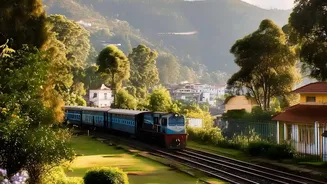
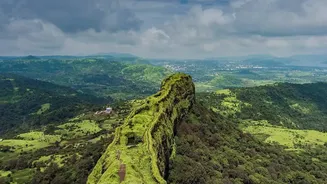
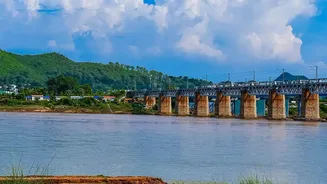
The period from October to February is when the Konkan region is at its most visually stunning. After months of heavy rainfall, the entire landscape is washed clean, leaving behind a vibrant canvas of deep greens. The paddy fields are lush, the forests
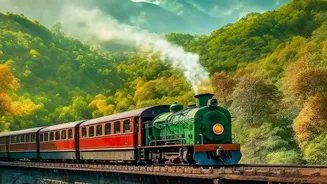
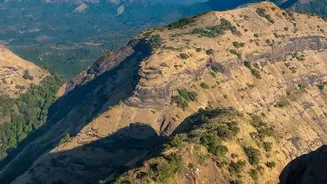
are dense, and the air is crisp and free of haze. This season combines the dramatic greenery of the monsoon with the clear, sunny skies of winter, creating postcard-perfect views from your window. The Sahyadri mountain range, which runs parallel to the tracks, is a spectacle of emerald hills and verdant valleys, making every moment of the journey a feast for the eyes.
Waterfalls in Their Final Glory
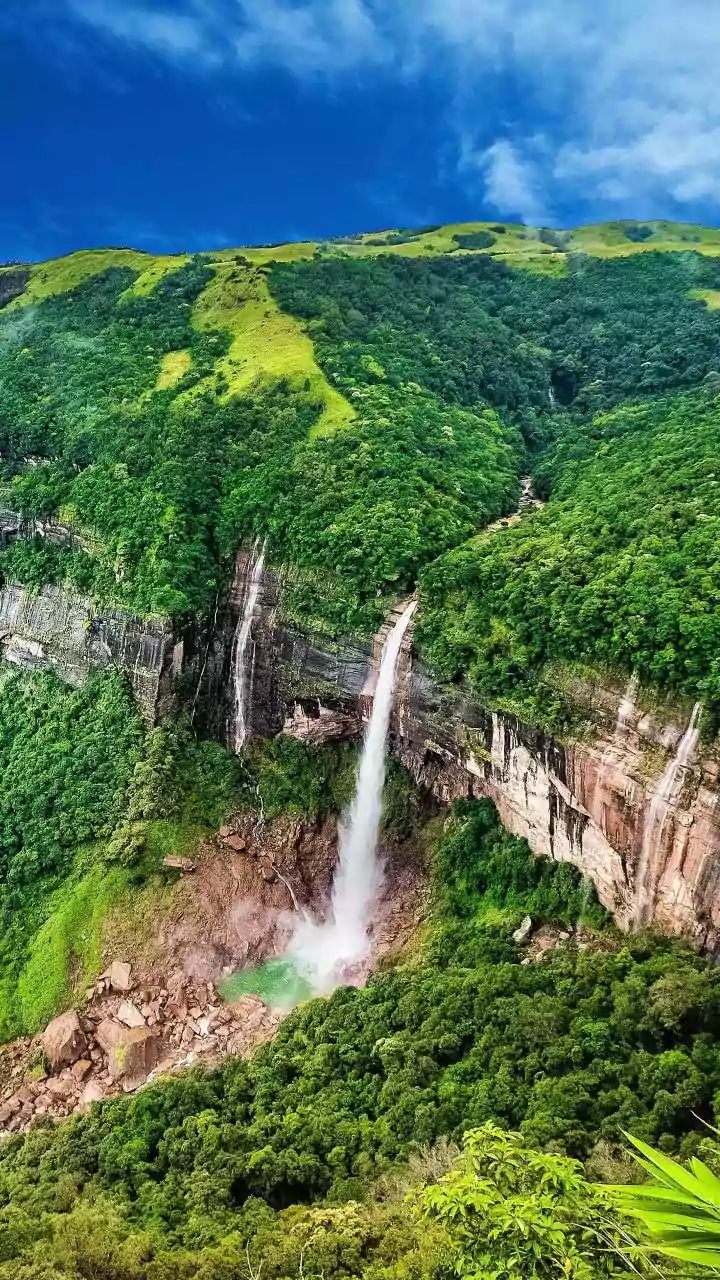
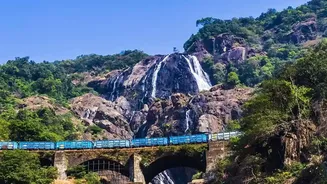
While the monsoon is famous for its cascading waterfalls, many of them remain active well into the post-monsoon months. The crucial difference is that you can enjoy them without the travel disruptions that heavy rains often cause. Waterfalls like the famous Dudhsagar Falls are still majestic, and numerous smaller, seasonal streams continue to flow down the hillsides, especially in October. One of the most iconic sights is near Ukshi station, where the train passes breathtakingly close to a waterfall nestled between two tunnels. In the post-monsoon period, you get the reward of these stunning water features with more reliable train schedules and better visibility.
Pleasant Weather and Clearer Views
The biggest advantage of travelling after the monsoon is the weather. The heavy, persistent rains of June to September give way to comfortable and pleasant conditions. The humidity drops, and the days are typically sunny with cool, gentle breezes, perfect for sightseeing from a train window. This clear weather ensures that your views of the Arabian Sea, the sprawling backwaters, and the distant hills are unobstructed. Unlike the peak monsoon, when mist can obscure the landscape, the post-monsoon period guarantees you can capture the stunning scenery in all its glory, making it ideal for photography.
An Engineering Marvel on Full Display
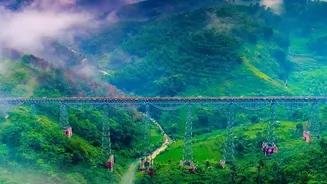
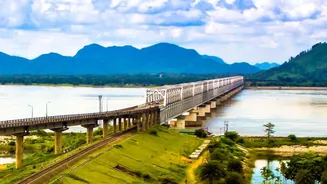
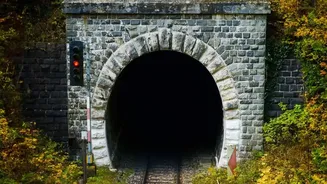
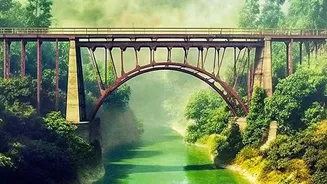
The Konkan Railway is celebrated as an engineering feat, with over 2,000 bridges and 91 tunnels cutting through the challenging terrain of the Western Ghats. The post-monsoon season is the best time to appreciate these marvels. With clear skies, you can fully experience crossing iconic structures like the Panval Nadi viaduct, one of Asia's tallest, which offers dizzying views of the valley below. To maximize this experience, consider booking a seat in a Vistadome coach. These special carriages feature large glass windows and a transparent roof, providing panoramic, 180-degree views of the spectacular route. The journey from Ratnagiri to Madgaon in Goa is often cited as the most scenic stretch.
Cultural Richness and Fewer Crowds
The post-monsoon season, particularly from October to November, is a festive time in the Konkan region. This is when you might witness celebrations for Diwali and other local festivals, offering a glimpse into the vibrant culture of the coastal villages you pass. This period also sits in a sweet spot between the lean monsoon season and the peak winter tourist rush. You can enjoy the lush landscapes and comfortable weather without the crowds that flock to the region from December onwards. This means more tranquil stations, easier bookings, and a more serene travel experience overall.
Planning Your Konkan Rail Trip
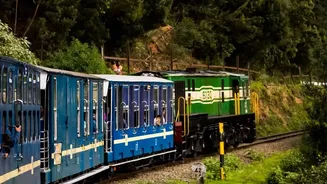
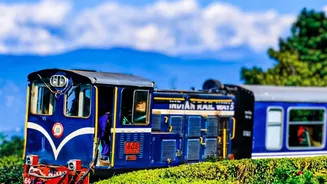
The Konkan Railway route stretches approximately 740-760 kilometres from Roha (near Mumbai) to Thokur (near Mangaluru), passing through Maharashtra, Goa, and Karnataka. Key trains on this route include the Mandovi Express, Konkan Kanya Express, and the Tejas Express. For the best views, especially if travelling south from Mumbai towards Goa, try to book a window seat on the right side of the train. Booking well in advance, especially for Vistadome coaches on trains like the Jan Shatabdi Express, is highly recommended as these seats fill up fast. Tickets can be booked via the official IRCTC website or app.