





An Unprecedented Surge in Faith
The numbers speak for themselves. Within weeks of opening the registration portal in April, the Shri Amarnathji Shrine Board (SASB) reported figures that pointed towards an all-time high. Over 4.5 lakh pilgrims had registered for the 52-day yatra well
before its commencement on June 29, a staggering figure that has put immense pressure on administrative and logistical frameworks. This isn't a gradual increase; it's a tidal wave of interest that has caught even seasoned officials by surprise. The demand has been so intense that registration quotas for certain dates filled up almost instantly, leaving thousands on waiting lists. This level of enthusiasm is a significant departure from previous years and signals a powerful new current in India’s spiritual landscape.
The New Face of the Pilgrim
So, who is driving this record-breaking demand? While the Amarnath Yatra has always attracted devout followers, the most significant shift is the visible and dramatic increase in younger participants. Traditionally seen as a pilgrimage for older, more established believers, the winding queues and online registration forms are now filled with people in their twenties and thirties. This demographic, often stereotyped as being disconnected from tradition, is now embracing one of the country's most arduous spiritual journeys. They are arriving not just from traditional strongholds in North India but from all corners of the country, including the south and west. This isn't just about faith; it's about a generation actively seeking a connection to their heritage in a tangible, experience-driven way.
When Spirituality Meets Adventure
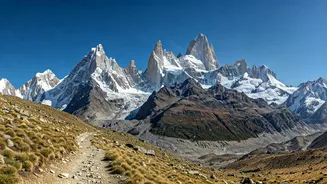
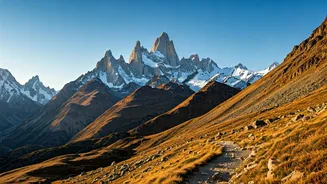
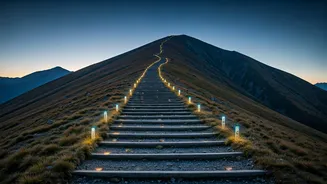
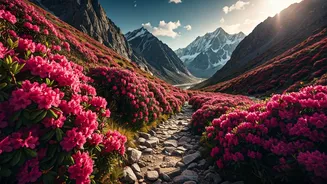
For many young travelers, the appeal of the Amarnath Yatra lies in its unique fusion of profound spirituality and raw adventure. The trek to the holy cave, situated at an altitude of 3,888 metres, is physically demanding and mentally challenging. It involves navigating steep mountain paths, acclimatizing to thin air, and braving unpredictable weather. This inherent challenge resonates with a generation that values experiences over possessions. For them, the yatra is not a passive act of devotion but an active quest. It's a journey that tests their physical limits while offering deep spiritual fulfilment, a combination that a standard vacation can rarely provide. The pilgrimage has become a rite of passage for some, a journey of self-discovery that is both an internal and external expedition.
The Instagram Effect: A Digital Pilgrimage
It’s impossible to ignore the role of social media in this trend. Platforms like Instagram, YouTube, and Facebook have transformed how the yatra is perceived. A decade ago, information about the trek was limited. Today, a quick search reveals thousands of vlogs, reels, and breathtaking photos detailing every step of the journey. These digital testimonials demystify the pilgrimage, making it appear more accessible and achievable for a wider audience. Aspiring pilgrims can see firsthand what to pack, what the camps look like, and the stunning beauty of the Himalayan landscape. This digital word-of-mouth has created a powerful feedback loop: young people go on the yatra, document their experience, and inspire their peers to follow suit, turning a sacred journey into a shareable, aspirational experience.
Managing the Blessing of Crowds
This incredible surge, while a testament to the yatra's enduring appeal, presents significant logistical and environmental challenges. The administration in Jammu and Kashmir, along with the SASB, has had to scale up infrastructure massively. This includes expanding lodging capacities at base camps, ensuring robust medical facilities with oxygen booths at regular intervals, and implementing strict security measures. Furthermore, every pilgrim is now required to have a health certificate and is tracked via RFID tags to ensure their safety. The ecological fragility of the region also means that managing waste and the overall human footprint is a top priority. Balancing the overwhelming devotion of pilgrims with the need to protect both the people and the pristine environment has become the administration’s most critical test.