





Create Wet and Dry Zones
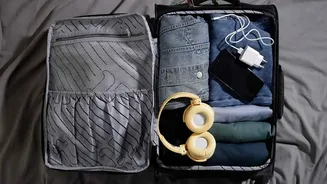
The core principle of monsoon packing is strategic separation. Your backpack or suitcase should not be a free-for-all where a damp jacket can ruin your clean clothes. Think of it as creating dedicated zones. Use waterproof dry bags or even large zip-lock
pouches to compartmentalise. One bag should be for anything that is wet or dirty—a soaked raincoat, muddy sandals, or damp socks. Another set of packing cubes or dry bags should protect your clean, dry clothes and electronics. A waterproof backpack is a great start, but even then, internal separation is key. This system prevents moisture from spreading and makes it easy to find what you need without exposing everything to a sudden downpour. Have an easily accessible 'quick access' zone for your umbrella or poncho, so you're not digging through your main bag in the rain.
Choose Clothes Wisely
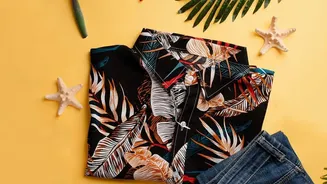
Fabric choice can make or break your trip during the rainy season. Leave your heavy cotton and denim items at home; they absorb moisture, take forever to dry in high humidity, and can become uncomfortable. Instead, build your wardrobe around quick-drying synthetic fabrics like polyester and nylon blends. These materials are lightweight and can be washed in a hotel sink and be dry by morning. Aim for a capsule wardrobe with a few tops and one or two pairs of trousers that mix and match easily. Shorter hemlines like cropped pants can also be practical to avoid muddy hems. Don't forget a light fleece or woollen layer for cooler evenings, especially in hill stations. And a compact, microfibre towel is a must-have; it dries much faster than a standard cotton towel and is perfect for wiping down gear or yourself.
Rethink Your Footwear
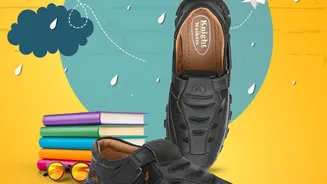
Footwear is one of the most critical decisions for a monsoon trip. Leather shoes are a definite no, as they get ruined by water. Closed shoes can trap water, leading to discomfort and taking days to dry. The best strategy involves two types of footwear. First, a pair of waterproof or water-friendly sandals with good grip. Look for rubber or plastic floaters with ankle straps to navigate wet, slippery, and muddy streets securely. Flip-flops can be too slippery when wet. Your second pair should be a 'dry' pair, like sneakers or loafers, that you keep protected for evenings, travel days, or indoor use. Some modern waterproof sneakers can be a good all-in-one solution, but always having a completely dry backup is a wise move.
Protect Documents and Electronics
Water is the enemy of your most important travel items: your passport, ID, tickets, and all your electronic gadgets. Never assume your backpack is 100% waterproof. The best defence is multiple layers of protection. Store your passport, visa, tickets, and extra cash in waterproof zip pouches or a dedicated document pouch. For electronics like your phone, camera, and power bank, use individual waterproof sleeves or small dry bags before placing them in your main bag. This extra layer provides peace of mind during a heavy downpour or if your bag gets splashed. It’s also wise to back up important documents and information to a cloud service before you leave, so even if the physical copies are lost or damaged, the information is still accessible.
Solve the Laundry Dilemma
Doing laundry on the road is tricky, and it's even harder during the monsoon when nothing seems to dry. Pack a small, dedicated laundry kit. This could include a universal sink stopper (as hotel stoppers often fail), travel-sized detergent sheets, and a portable clothesline or a few inflatable hangers. After washing a few items in the sink, the key is to remove as much excess water as possible. A great trick is to lay the wet item on a quick-dry towel, roll them up together tightly, and press or stand on the roll. This transfers a significant amount of moisture to the towel, drastically speeding up air-drying time. Always pack a few extra plastic or reusable bags to isolate dirty or still-damp laundry from your clean clothes, preventing mildew and odours from spreading.