
The Temperature 'Danger Zone'
The most important concept in food safety is the 'Danger Zone'. This is the temperature range where bacteria multiply at an alarming rate. According to food safety authorities like the FSSAI and USDA, this zone is typically between 5°C and 60°C. If perishable
food stays in this range for more than two hours, it can become unsafe to eat, as bacteria like Salmonella and E. coli can flourish. The goal of proper cooling is to move food through this danger zone as quickly as possible to get it to a safe refrigerator temperature of 4°C or below.
The Problem with Deep Pots
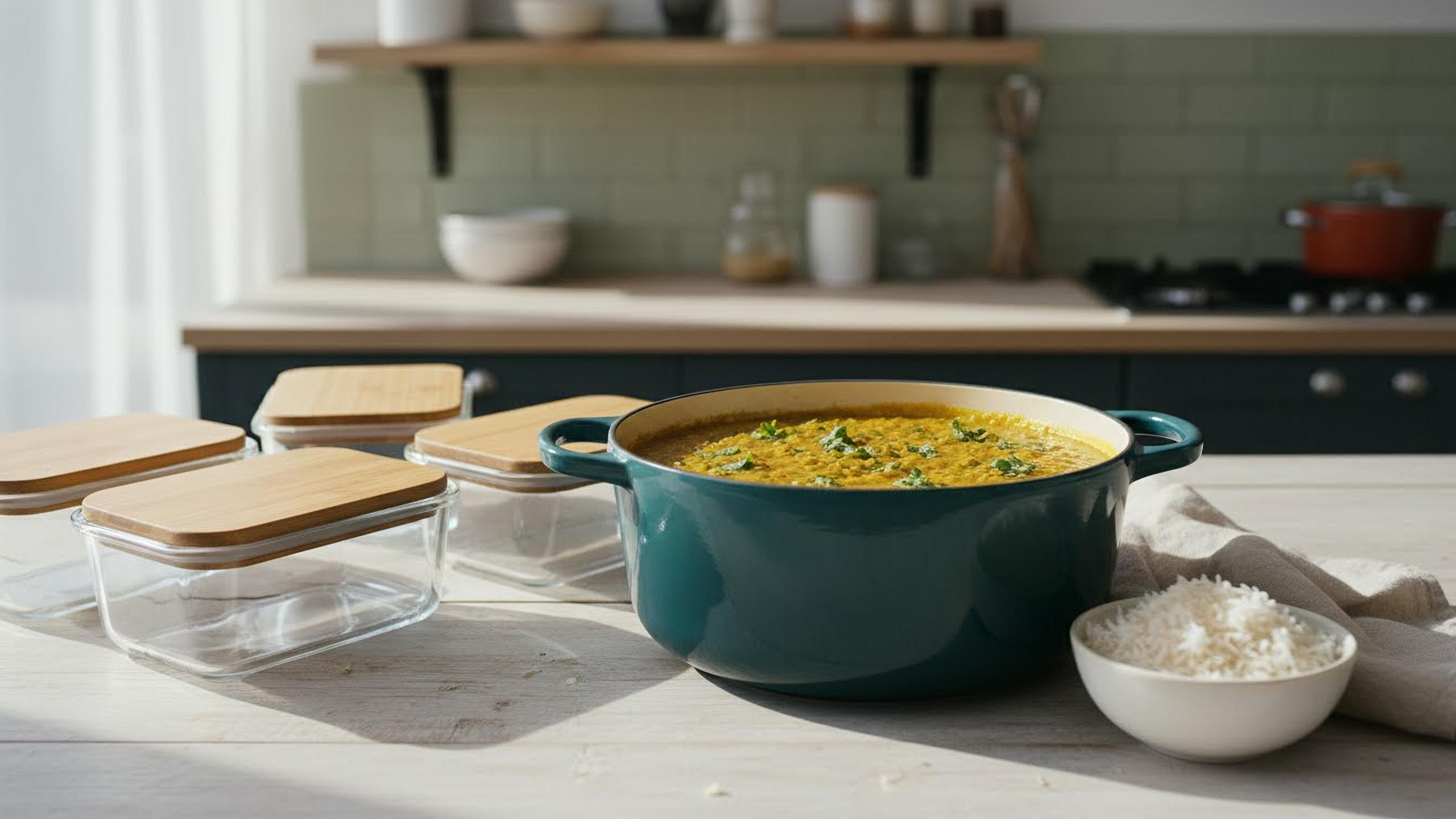
A large, deep pot of hot food is its own worst enemy when it comes to cooling. While the outside may feel cool, the centre of the food can remain in the temperature danger zone for many hours, even inside a refrigerator. The sheer volume and density of the food act as insulation, preventing the heat in the middle from escaping efficiently. Placing a very large, hot pot in the fridge can also raise the overall temperature inside the unit, potentially putting other foods at risk. This slow cooling process creates the perfect environment for bacteria to grow to dangerous levels before the food is fully chilled.
Shallow Containers Are Your Best Friend
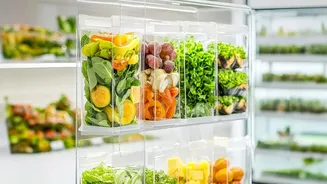
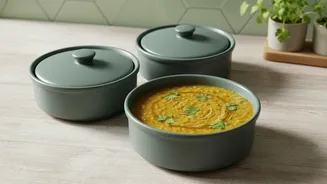
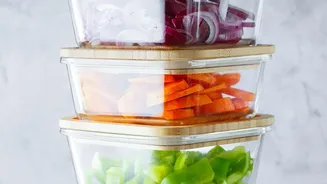
The single most effective way to cool food rapidly is to divide and conquer. Instead of refrigerating the large cooking pot, transfer the leftovers into several smaller, shallow containers. The ideal depth for food in these containers is two inches or less. This simple step dramatically increases the surface area of the food, allowing heat to escape much more quickly and evenly. This ensures that the entire batch of food moves through the danger zone rapidly. Using metal or glass containers can also help, as they transfer heat more effectively than plastic.
To Cover or Not to Cover?
The question of covering hot food is nuanced. Sealing a container of steaming hot food with an airtight lid can trap heat and condensation, slowing down the cooling process. However, leaving food completely uncovered in the fridge exposes it to cross-contamination from other items. The best practice is a compromise: cover the containers loosely at first. You can leave a corner of the lid open or use parchment paper. This allows steam and heat to escape while still offering protection. Once the food has cooled completely inside the refrigerator, you can then seal the containers tightly for storage.
A Simple, Safe Cooling Plan
Here is a step-by-step plan for safely cooling that big batch of leftovers. First, within two hours of cooking, divide the food from the large pot into multiple shallow containers. Do not fill any container more than two inches deep. Second, for very hot liquids like soups or dals, you can speed things up with an ice bath: place the shallow containers in a sink or larger bowl filled with ice water and stir the food. Third, place the containers in the refrigerator, covered loosely to allow heat to escape. Finally, once the food is fully chilled to the touch, seal the lids tightly. Your leftovers can then be safely stored for 3 to 4 days.