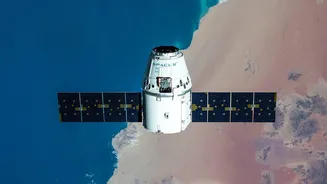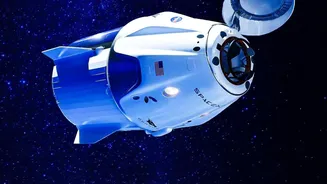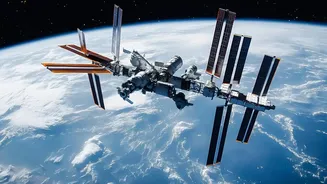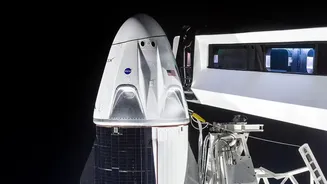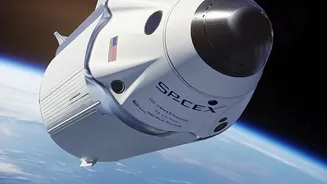

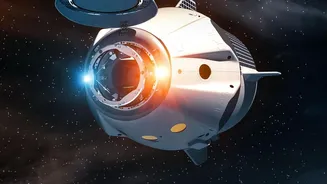
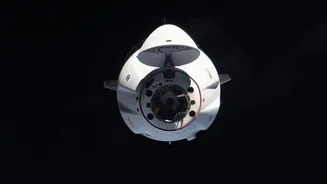
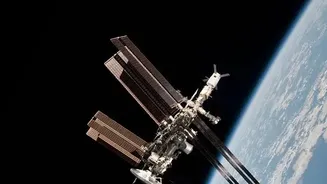
Another critical supply run to the International Space Station is officially complete. NASA has confirmed the successful splashdown and recovery of SpaceX's Dragon cargo capsule, marking the end of the CRS-35 mission and the safe return of vital science.
A Perfect Splashdown
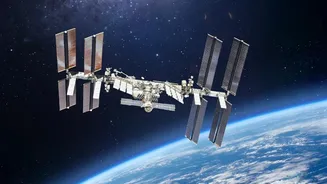
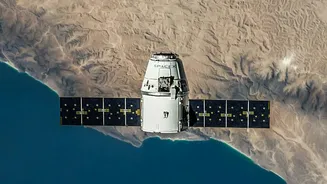
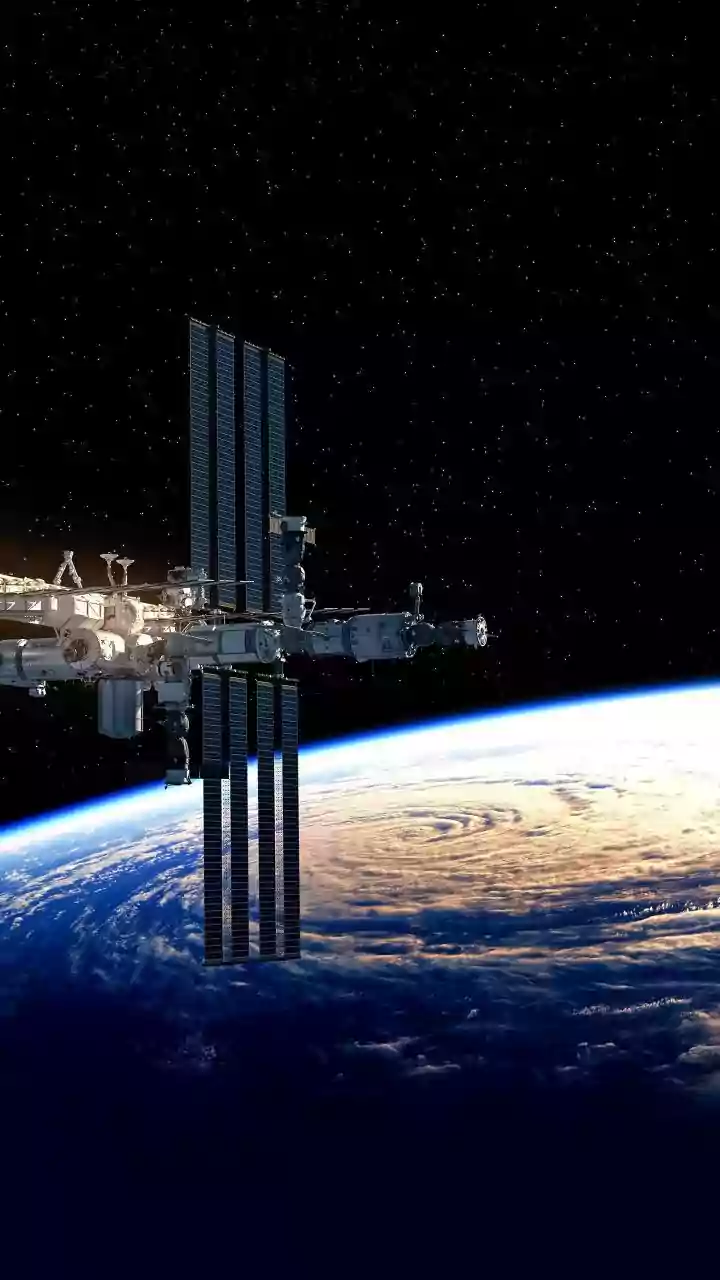
The SpaceX Dragon spacecraft successfully concluded its 35th Commercial Resupply Services (CRS) mission for NASA, splashing down in the Pacific Ocean off the coast of California on Saturday, November 21. The uncrewed capsule's journey home began a day earlier, on November 20, when it autonomously undocked from the International Space Station (ISS) while orbiting 260 miles above Earth. After a journey of approximately 29 hours, which included a fiery but controlled atmospheric re-entry, the spacecraft deployed its parachutes for a gentle landing in the ocean at 5:03 p.m. EST. Recovery teams from SpaceX were quickly on site to retrieve the capsule, which not only signifies the end of a successful logistics run but also the beginning of the next crucial phase: analyzing the cargo it brought back.
Precious Scientific Cargo Returns
While delivering supplies to the ISS is crucial, the Dragon's unique ability to return cargo to Earth intact is what makes these missions invaluable for researchers. The CRS-35 capsule was packed with thousands of pounds of scientific samples and hardware, the results of experiments conducted in the unique microgravity environment of the station. Among the key items returning are a 3D-bioprinted blood vessel construct used to study cardiovascular disease and the aging process. Also aboard were frozen tumor organoids that had been treated with chemotherapy drugs in space, research that could lead to more effective and personalized cancer treatments. By studying these biological samples on Earth, scientists hope to gain breakthroughs not possible on the ground.
From Superbugs to Astronaut Sleep
The returned cargo also holds clues for protecting astronaut health on future long-duration missions. The capsule carried frozen microbial samples from an experiment tracking how antibiotic-resistant bacteria, or 'superbugs', survive and adapt in space. Understanding their evolution is key to mitigating risks for crews on long journeys to the Moon and Mars. Additionally, a specialized lighting system was returned to Earth after more than three years of testing on the ISS. This system was designed to mimic natural light patterns to support astronauts' circadian rhythms, potentially improving their sleep and overall well-being on long missions. The data from this long-term experiment will now be evaluated to refine health protocols for future space explorers.
A Routine but Vital Partnership
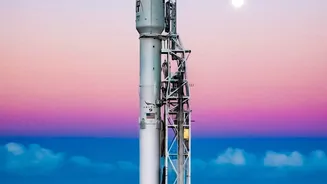
The CRS-35 mission, which began with a launch from Florida on October 13, delivered over 6,300 pounds of supplies, equipment, and new science experiments to the station. This flight marked the fourth mission for this particular Dragon capsule, showcasing the reusability that is a cornerstone of SpaceX's operational model. The successful completion of this 35th mission underscores the reliability of the public-private partnership between NASA and SpaceX. For over a decade, the Commercial Resupply Services program has formed a dependable pipeline to low-Earth orbit, ensuring the ISS remains a world-class laboratory. These missions, now considered routine, are fundamental to advancing scientific knowledge and paving the way for a sustainable commercial economy in space.