
The Grand Reopening
For months, heavy monsoon rains make many of India's premier national parks and tiger reserves inaccessible, leading to seasonal closures. This necessary pause allows ecosystems to recover, gives animals privacy during breeding seasons, and provides time
for authorities to repair safari tracks. October signals the much-anticipated reopening of these wilderness areas. Core zones in famous parks like Ranthambore, Kanha, and Bandhavgarh typically welcome visitors again starting from October 1st or mid-October. This reopening creates a wave of excitement for travellers eager to be among the first to venture back into the forests after a long hiatus.
A Post-Monsoon Paradise
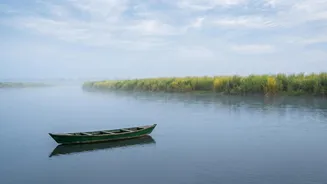
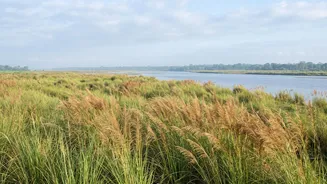
The monsoon breathes new life into India's forests, and in October, visitors reap the rewards. The landscape is transformed into a vibrant, emerald paradise. The dust has settled, and the forests are lush and dense, with rivers, lakes, and streams filled to the brim. This post-monsoon greenery provides a stunning backdrop for wildlife photography and a visually breathtaking experience for any nature lover. The air is fresh, the skies are often clear, and the entire ecosystem feels rejuvenated, making for beautiful scenery on safari drives.
Pleasant Weather for Perfect Safaris
After the intense heat of summer and the humidity of the monsoon, October ushers in comfortable and pleasant weather across many of India's key wildlife regions. Temperatures are moderate, typically ranging from 15°C to 30°C, which makes spending several hours in an open safari jeep far more enjoyable. The mornings and evenings are cool and refreshing, while the daytime heat is not yet at its peak. This comfortable climate is ideal for families and first-time safari-goers who want to enjoy the experience without battling extreme weather conditions.
Prime Time for Animal Activity
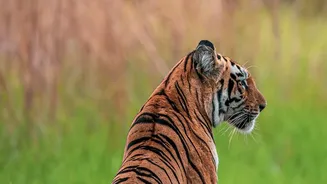
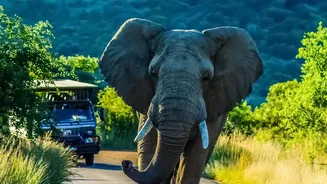
With the forests refreshed and temperatures becoming cooler, animals tend to be more active. After being confined by heavy rains, many species come out to explore, search for food, and soak up the gentle sun. While the lush vegetation can sometimes make spotting animals a bit more challenging than in the dry summer months, tiger sightings remain consistent. Herbivores like deer, elephants, and bison are often seen grazing in the vibrant meadows. As temporary water sources from the monsoon begin to dry up through the month, animals may also start congregating around more permanent lakes and rivers, which can improve sighting opportunities.
Fewer Crowds and a Festive Bonus
While October marks the beginning of the safari season, the peak tourist rush often starts from November onwards. This makes October a sweet spot for those looking to experience the wilderness with relatively fewer crowds. You may find it easier to book safaris and accommodation, enjoying a more serene and personal jungle experience. Furthermore, the month often coincides with India's vibrant festive season, including Diwali in some years. This provides a unique cultural dimension to your trip, allowing you to combine the thrill of wildlife exploration with the colourful festivities in nearby towns and villages.