





The Science of the Slump
It seems counterintuitive to feel exhausted after a day of sitting still, but the science is clear: a sedentary day drains your energy. Prolonged sitting reduces blood flow throughout the body, including to the brain, which needs a constant supply of oxygen
and glucose to function optimally. When you sit for long periods, your body's metabolic processes slow down. This can lead to drops in blood sugar that your brain registers as fatigue and fogginess. Furthermore, staying in one position can cause muscle stiffness and discomfort, particularly in the neck, shoulders, and back, which contributes to a sense of physical drain even without strenuous activity. Studies show that office workers can spend over six hours of their workday seated, leading to widespread reports of exhaustion.
More Than Just Stretching
The antidote to this sedentary slump is the microbreak—short, intentional bursts of movement. These are not about squeezing in a full workout; they're about frequently interrupting periods of sitting. Research has shown that even a few minutes of light activity every hour can have significant benefits. These breaks can improve blood glucose control, which helps stabilize your energy levels throughout the day. Studies indicate that five-minute movement breaks every hour offer a great balance of improving mood and energy without harming work performance. Participants in studies have reported better focus, mood, and work engagement after incorporating regular, short breaks into their routine. Essentially, these 'activity snacks' signal your body and brain to wake up, boosting alertness and cognitive function.
What Counts as an Activity Break?
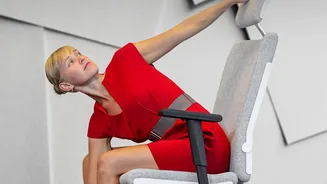
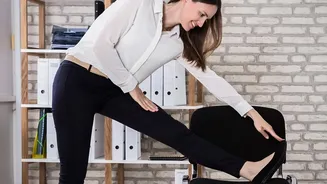
The beauty of the microbreak is its simplicity. You don't need special equipment or a lot of space. The goal is simply to move your body and change your posture. Anything that gets you out of your chair counts. Some effective and easy ideas include a short, brisk walk around the office or up and down a flight of stairs. If you're stuck at your workstation, you can perform simple desk exercises like tricep dips using a stable chair, calf raises, or desk pushups. Even just standing up and doing some gentle stretches—such as neck rotations, overhead stretches, and seated hip stretches—can increase circulation and relieve muscle tension. The key is consistency; short, frequent movements are more beneficial than one longer break.
How to Build the Habit
Knowing the benefits is one thing, but implementing breaks into a busy workday is another. The most effective strategy is to make it a non-negotiable part of your schedule. Set a recurring timer on your phone or computer for every 30 to 60 minutes as a reminder to stand up and move. Another powerful technique is 'habit stacking'—linking your activity break to an existing routine. For example, commit to stretching for two minutes after every call or walking a lap around the floor after sending a major email. If you work in a team setting, suggest walking meetings for brainstorming sessions, which can boost both creativity and energy levels. Starting small is key. Don't aim for ten breaks on day one; start with two or three and build from there until it becomes an automatic part of your day.