




The New Rules of Desi Cool
For generations, a distinct line separated traditional Indian wear from everyday Western clothing. The former was for festivals and functions, the latter for everything else. But for young Indians today, those boundaries are practically non-existent.
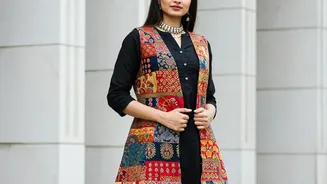
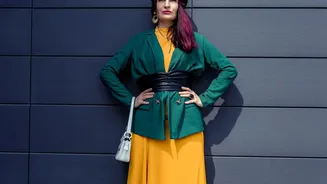
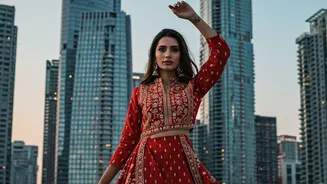
They are rewriting the fashion rulebook, creating a hybrid style that is deeply personal and unapologetically Indian. It’s not about diluting heritage but about integrating it into their daily lives on their own terms. This 'Desi-Cool' aesthetic is less about following trends and more about expressing a fluid identity that is both global in its awareness and local in its roots. The result is a wardrobe that works for a college lecture, a café hangout, and a family dinner, all without a complete outfit change.
Reinventing the Classics, One Piece at a Time
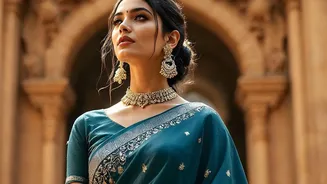
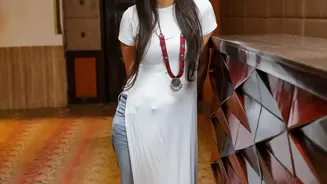
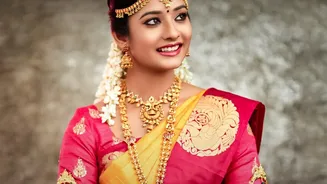
The magic of this movement lies in its specific pairings. The timeless saree, for example, is finding new life paired not with delicate heels, but with bold, chunky sneakers. This combination is about making the six-yard drape practical and comfortable for a fast-paced urban life. Lightweight cotton or handloom sarees are often styled with classic white sneakers for a relaxed, chic look. Similarly, the kurta has been completely transformed. Gen Z is opting for shorter, cropped kurtis styled like casual tops with high-waist jeans or wide-leg trousers. Men are pairing oversized or asymmetric kurtas with joggers and minimal accessories, focusing on comfort and a clean silhouette. The emphasis is on separating traditional pieces from their prescribed sets and using them as versatile individual components.
Driven by Comfort and Digital Curation
A non-negotiable demand for Gen Z is comfort. Having grown up in an era where activewear became everyday wear, this generation refuses to choose between looking good and feeling good. The breathable fabrics and relaxed fits of garments like kurtas and handloom sarees align perfectly with this 'comfort-first' philosophy. At the same time, this trend is being amplified and accelerated by social media. Platforms like Instagram and Pinterest are virtual runways where new styling ideas are shared and quickly adopted. Influencers and everyday users showcase how to pair a traditional Jamdani or Chanderi piece with denim or a blazer, making heritage fashion feel accessible and modern. This digital validation gives others the confidence to experiment with their own fusion looks.
A Statement of Identity and Sustainability
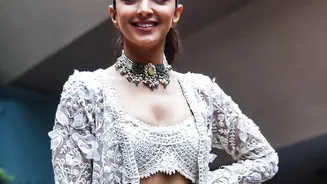
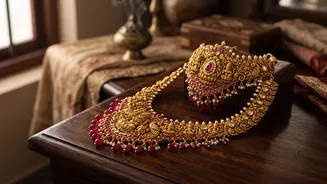
This fashion movement is also a powerful statement of identity. For many young Indians, it's about reclaiming their cultural heritage from Western interpretations and celebrating it authentically. They are consciously choosing handloom fabrics like khadi and traditional crafts like block-printing or Chikankari embroidery, not as 'ethnic' novelties, but as integral parts of a contemporary wardrobe. This shift is also linked to a growing consciousness around sustainability. In a rejection of the sameness of global fast fashion, many are turning to locally made, handcrafted garments that are built to last. Upcycling old family sarees into new silhouettes is another popular trend, giving heirloom pieces a modern life while promoting a circular fashion economy.