



A Surprising Fusion of Old and New
Not long ago, Indian handloom fabrics were often associated with traditional wear, reserved for festivals or passed down as family heirlooms. Today, that perception is being radically redefined. A new wave of homegrown streetwear labels are making handwoven
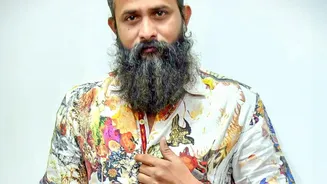
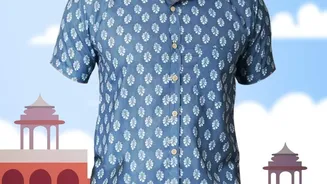
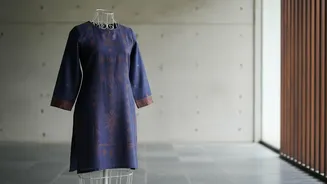
textiles the hero of their collections. Brands like NorBlack NorWhite, Johargram, and Kardo are blending heritage crafts like Ikat, Bandhani, and Khadi with contemporary silhouettes like bomber jackets, oversized shirts, and relaxed-fit co-ords. This fusion is capturing the imagination of a younger, style-conscious generation that is looking beyond mass-produced fast fashion for something more meaningful.
The Quest for Authenticity and Identity
For many young Indians, this trend is a way to connect with their cultural roots on their own terms. Rejecting the homogenous offerings of global fast-fashion giants, Gen Z is seeking authenticity and a narrative in what they wear. Handloom streetwear provides a unique form of self-expression that is both modern and deeply rooted in Indian heritage. It allows them to showcase their identity without being confined to traditional attire. Each piece tells a story of craftsmanship, region, and history, transforming a simple garment into a conversation starter and a statement of personal values.
Sustainability as a Style Statement
The global conversation around sustainable and ethical fashion has found a strong foothold among India’s youth. This generation is acutely aware of the environmental and social costs of the fast-fashion industry. Handlooms are inherently sustainable; they are produced with minimal electricity, use natural and biodegradable fibres, and support local artisan communities. For many young consumers, choosing a handloom garment is an ethical decision. It’s a vote for slower, more mindful consumption, fair wages for artisans, and the preservation of age-old skills that are at risk of disappearing. Brands are leaning into this, highlighting their zero-waste practices and direct collaboration with weaver clusters.
Making Heritage 'Cool' and Accessible
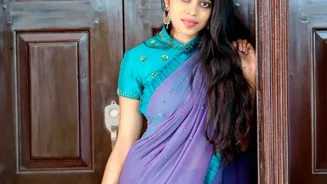
The success of this trend lies in its ability to make heritage genuinely cool and wearable for today's urban youth. Designers aren't just using handloom fabrics; they are reinventing them. They experiment with bold colours, modern silhouettes, and unexpected pairings—like pairing a Jamdani sari with combat boots or creating a camouflage Ajrakh print for a jacket. Brands like NorBlack NorWhite have collaborated with global names like Nike and artists like Major Lazer, infusing Indian textile storytelling into global street culture. This approach sheds the high-maintenance, 'special occasion only' tag from handlooms, making them relevant and desirable for everyday self-expression.
Bridging the Urban-Rural Divide
This movement is also creating a vital economic and cultural bridge. By creating a contemporary market for traditional textiles, these streetwear brands are channelling urban spending power directly to artisan communities in states like Jharkhand, Gujarat, and West Bengal. This provides weavers and craftspeople with sustainable livelihoods and a renewed sense of pride in their work. It ensures that these crafts are not just preserved as museum pieces but continue as living, evolving traditions. For the consumer, it fosters a deeper appreciation for how their clothes are made and the skilled hands behind them.