



The Green Stage: A Starchy Start
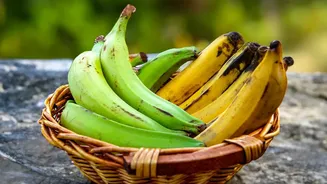
When a banana is green, firm, and slightly bitter, its carbohydrate content is mostly starch. Specifically, it is high in resistant starch, a type of complex carb that, as its name suggests, resists digestion in the small intestine. Instead, it travels
to the large intestine where it acts like a prebiotic, feeding the beneficial bacteria in your gut. This high concentration of resistant starch means green bananas have a lower glycemic index (GI), causing a slower, more gradual rise in blood sugar levels. This makes them a potentially better choice for individuals managing blood sugar. The firm, waxy texture and high fibre content also promote a greater feeling of fullness, which can help with appetite control.
The Yellow Stage: Sweetness and Energy
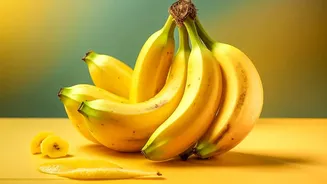
As the banana ripens and turns its familiar bright yellow, a significant transformation occurs. Enzymes begin to break down the complex resistant starch into simple sugars like sucrose, fructose, and glucose. This is why yellow bananas are noticeably sweeter and softer than their green counterparts. While the resistant starch content drops significantly, the banana becomes easier to digest, making it a good option for those with sensitive stomachs or for quick energy before exercise. The antioxidant levels also increase as the banana ripens. Though the sugar content is higher, a ripe banana still has a low to medium glycemic index, typically around 51, meaning it can be part of a balanced diet without causing extreme sugar spikes for most healthy individuals.
The Spotted Stage: Peak Sweetness and Antioxidants
Once brown spots begin to appear, it signals that even more starch has converted into sugar, making the banana reach its peak sweetness. These spots also indicate a breakdown of chlorophyll, a process that boosts the banana's antioxidant levels. While the fruit is now at its most sugary and has a higher GI than a green banana, it’s far from useless. This is the stage where bananas are perfect for baking, as their soft texture and intense sweetness can replace some of the sugar and fat in recipes for banana bread or muffins. However, because most of the resistant starch is gone, they offer less of the gut-friendly fibre benefits found in greener bananas. Some micronutrients may also begin to decrease at this stage.
Fibre and Nutrients: The Constants
While the type of carbohydrate changes dramatically during ripening, the total fibre content remains relatively consistent. A medium-sized banana provides about three grams of fibre, regardless of its colour. Green bananas are rich in resistant starch, which acts like fibre, while ripe bananas contain more soluble fibre, like pectin. Pectin helps give ripe bananas their soft structure and can also help slow down digestion. Furthermore, key nutrients like potassium, vitamin B6, and vitamin C are present at all stages of ripeness, making the banana a nutritious choice anytime. A medium banana consistently provides about 9% of your daily potassium needs, which is crucial for blood pressure regulation and nerve function.
Why Portion Size Always Matters
Regardless of whether your banana is green, yellow, or spotty, portion size is the great equaliser. The larger the banana, the more carbohydrates and sugar you consume in one sitting, which will have a greater impact on your blood sugar. This concept is known as glycemic load (GL), which considers both the GI of a food and the serving size. A small banana will have a lower glycemic load than a very large one, even if they are at the same stage of ripeness. For those mindful of their sugar intake, choosing a smaller banana is a simple way to manage the effect on blood glucose. Pairing your banana with a source of protein or healthy fat, such as a handful of nuts or a spoonful of yogurt, can also help slow the absorption of sugar and prevent sharp spikes.