






Why Humidity Is the Enemy
The defining characteristic of the monsoon, high humidity, is the primary reason food spoils faster. Moist, warm air is the ideal environment for bacteria, mould, and fungi to multiply rapidly on everything from fresh vegetables to dry spices. This isn't
just about food getting soggy; it's about the increased risk of foodborne illnesses like gastroenteritis and food poisoning, which see a spike during the rainy season. The air is so damp that even shelf-stable items can absorb moisture, leading to premature decay.
The Two-Hour Rule Gets Shorter
A general food safety guideline is to never leave cooked food at room temperature for more than two hours. During the monsoon, this window shrinks considerably. The combination of warmth and humidity accelerates bacterial growth, making it crucial to refrigerate leftovers as soon as possible. If food has been sitting out for more than an hour in a typical, non-air-conditioned room during the monsoon, it's best to be cautious. When in doubt, it is always safer to discard food than risk illness.
Fresh Produce: Buy Less, Store Better
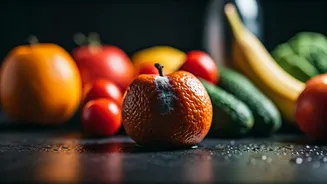
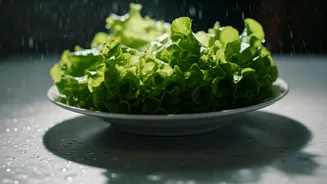
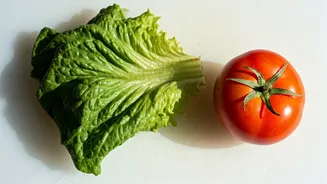
During the monsoon, it's wise to avoid buying vegetables and fruits in large quantities. Opt for smaller, more frequent purchases to ensure freshness. Leafy greens are particularly susceptible to wilting and rotting. Before storing, it's essential to wash produce thoroughly. Some experts suggest using a salt water wash to help remove germs. The most critical step is to dry them completely before refrigeration. Wrapping vegetables in paper towels or newspaper can help absorb any residual moisture and extend their life. Store them in breathable bags in the refrigerator to allow for air circulation.
Dry Goods: The Airtight Imperative
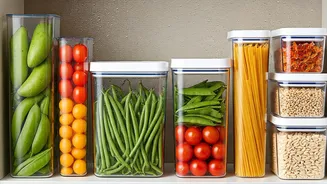
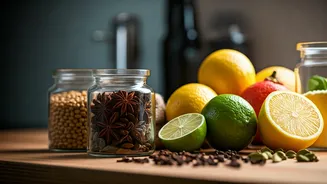
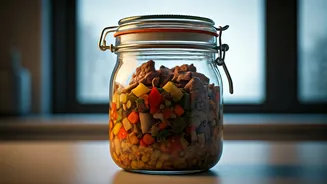
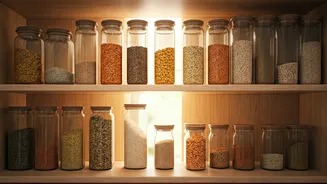
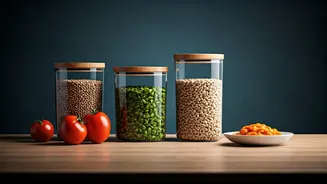
Grains, lentils, flours, and spices are also at risk. Humidity can cause them to clump, lose their flavour, and become breeding grounds for mould and pests. The key is to transfer them from their original market bags into completely dry, airtight containers. Glass or steel jars are excellent choices. Before sealing, ensure the contents are free of any trapped moisture. For items like rice and flour, storing them in the refrigerator or even the freezer for a couple of days after purchase can kill any insect eggs or mould spores. Adding a few bay leaves to grain containers can also help deter pests.
Leftovers and Cooked Food: A Ticking Clock
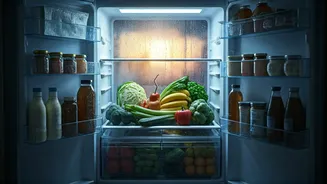
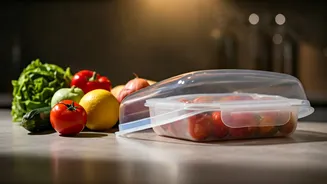
As mentioned, leftovers need to be refrigerated promptly. Store them in clean, airtight containers to protect them from contamination. When reheating, ensure the food is heated thoroughly to a high temperature to kill any bacteria that may have developed. It's also good practice to organise your refrigerator so that older items are at the front, following a 'first-in, first-out' system to ensure food is consumed before it spoils. Avoid overstuffing the fridge, as this can impede the circulation of cold air.
A Note on Kitchen Hygiene
Food safety isn't just about storage; it's about overall cleanliness. Regularly clean and disinfect your kitchen surfaces, cutting boards, and utensils, as germs thrive in damp environments. The Food Safety and Standards Authority of India (FSSAI) advises defrosting and cleaning your refrigerator frequently, as frost buildup contributes to moisture. Wash your hands thoroughly before and after handling food, and ensure your kitchen is well-ventilated to reduce ambient humidity.