

The Power of the Cut
The way you chop a vegetable does more than just change its shape; it fundamentally alters its role in a dish. A finely diced carrot melts into a sauce, lending sweetness and depth, while a large, rustic chop will hold its own in a hearty stew. The size
and shape of your cuts directly influence cooking time, texture, and flavour absorption. Smaller pieces have more surface area, allowing them to cook faster and soak up more of the oil, butter, and spices in the pan. Conversely, larger cuts cook more slowly and retain more of their inherent texture and moisture. Understanding this principle is the first step to moving beyond repetitive meals and unlocking the true versatility of your vegetables.
Mastering the Essential Cuts
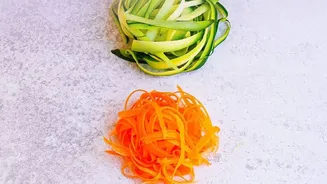
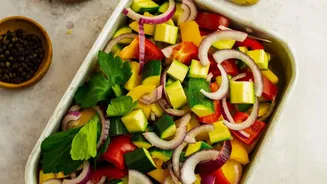
You don’t need the skills of a professional chef to make a difference in your kitchen. Focusing on a few basic cuts is all it takes. A uniform dice (small cubes) is perfect for dishes where you want even cooking, like in a base for a curry or a quick sabzi. Thin slices are ideal for gratins, salads, or quick pan-fries. Julienne, or cutting vegetables into thin matchstick-like strips, works wonders in stir-fries and salads, providing a pleasing crunch and elegant presentation. Finally, a rough chop is great for rustic soups and stews where perfect uniformity isn't the goal. Before you begin, always ensure you have a stable cutting board and a sharp knife, which is safer and more efficient than a dull one.
One Vegetable, Many Ways
Let's take a common vegetable in India, like the humble potato or bottle gourd (lauki). If you only ever dice it for a standard curry, you're missing out. Try cutting potatoes into thin rounds, tossing them with spices, and roasting them until crisp. The next day, use a grater to shred them for savoury pancakes or cut them into thick batons (sticks) for a classic baked 'fry'. For lauki, grating it works perfectly for koftas or a raita. Slicing it into rounds can be used for a layered bake, while dicing it serves the classic sabzi. By simply changing the cut, you've created three or four distinct dishes from the same ingredient, each with a different texture and appeal, making your weekly shop more efficient and your meals more interesting.
Building Your Weekly Meal Plan
This technique-first approach makes meal planning simpler. Start by thinking about the cuts. On Sunday, you might do a big batch of prep. Finely dice onions, carrots, and celery (or a local equivalent like beans) to create a mirepoix base that can start a soup, sauce, or dal on a busy weeknight. At the same time, cut other vegetables, like bell peppers or cabbage, into strips for a quick mid-week stir-fry. Wash and keep leafy greens ready for chiffonade (ribbon) cuts for garnishes or quick sautés. This ‘component prepping’ is more flexible than prepping entire meals. It allows you to pivot based on your mood—the pre-cut strips could become part of a wrap, a noodle bowl, or a simple side dish.
Seasonal Strategy and Smart Tools
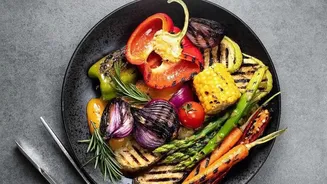
Applying this to seasonal produce keeps your diet varied throughout the year. In winter, when root vegetables like carrots, beets, and sweet potatoes are abundant, think of roasting large chunks or batons. Summer brings gourds, cucumbers, and tomatoes, which are perfect for slicing raw into salads or dicing for cooling raitas. While a good chef's knife is a cook's best friend, you don't need an expensive collection. A single, well-maintained sharp knife is the most crucial tool. For tasks like grating or creating uniform slices, a simple box grater or a mandoline (used with extreme care and a hand guard) can be a huge time-saver. The goal is to make the process efficient so you can focus on enjoying the fresh, flavourful results.