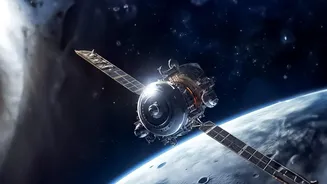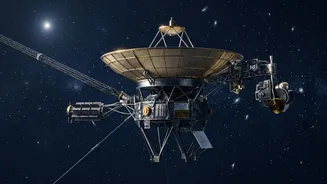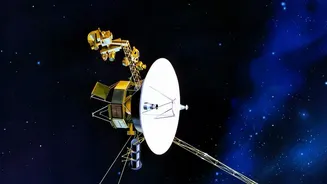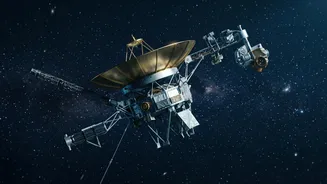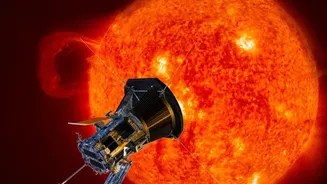

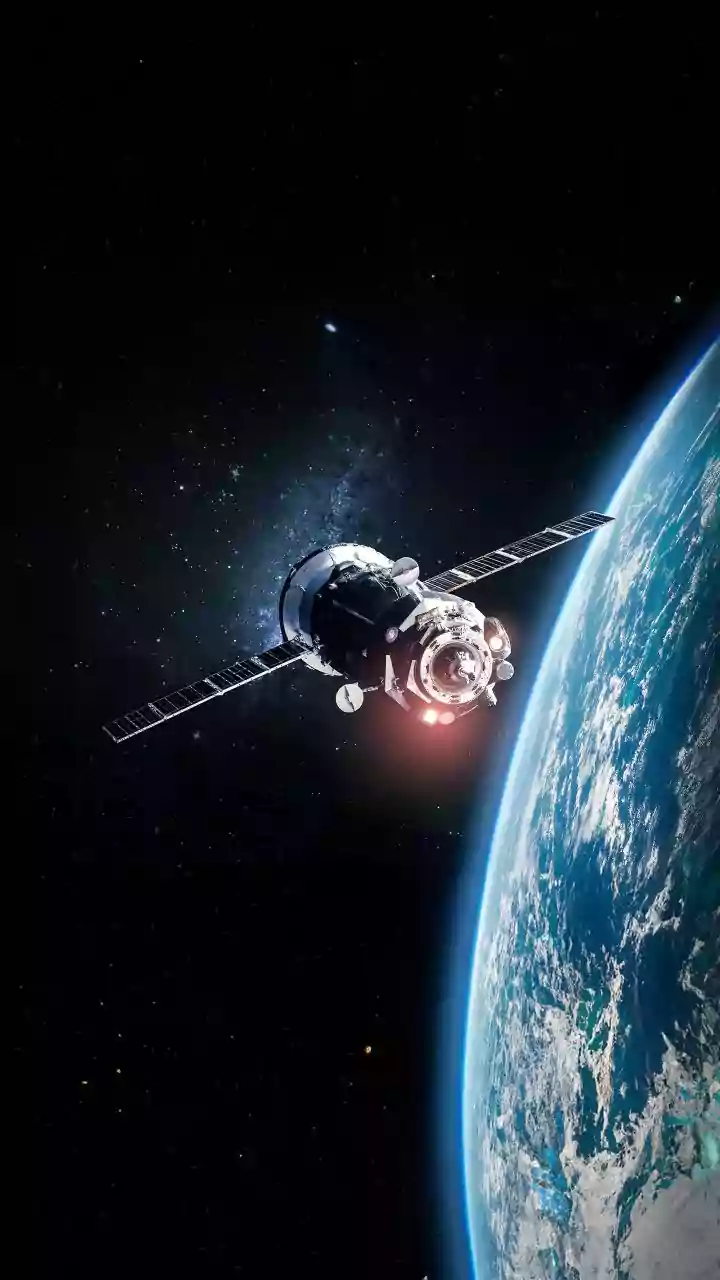
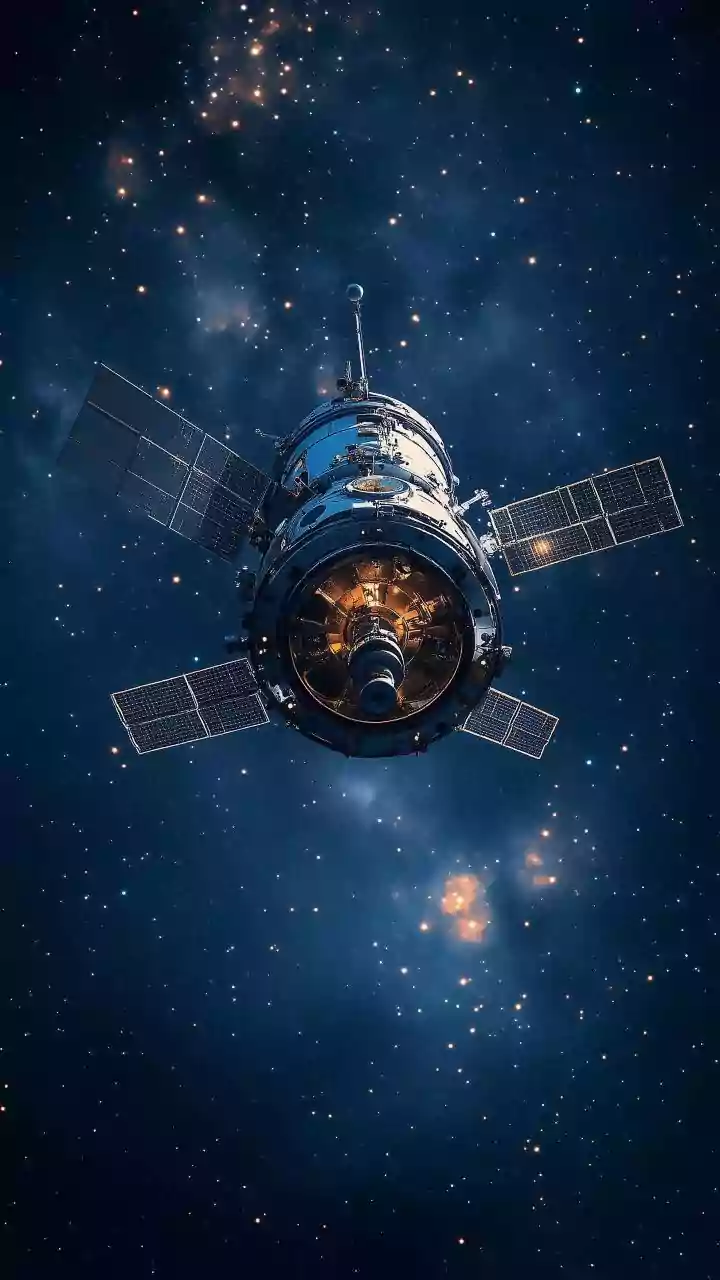
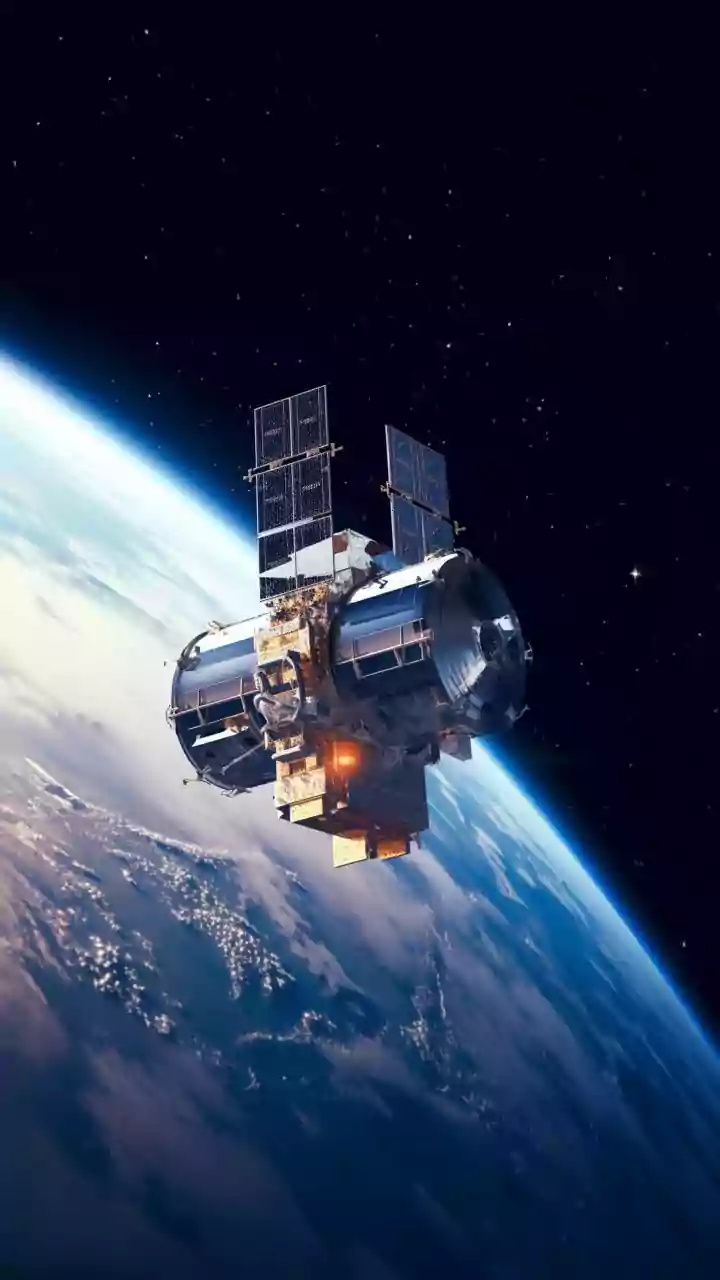
Nearly half a century after it left Earth, a lone human-made object is pushing the boundaries of exploration. NASA's Voyager 1 probe is about to become the first spacecraft to travel a full light-day from its home planet.
A Journey Beyond Imagination
On November 18, 2026, Voyager
1 will be one light-day, or about 25.9 billion kilometers, from Earth. This distance is so vast that it takes a full 24 hours for radio signals, travelling at the speed of light, to reach the probe from NASA's Deep Space Network. Any message sent to the spacecraft requires a two-day wait for a reply. To put this into perspective, light from the Sun reaches Earth in just over eight minutes. Voyager 1, travelling at over 60,000 kilometers per hour since its launch in 1977, has journeyed for almost 50 years to cross a distance light covers in a single day. It officially entered interstellar space in 2012, leaving the protective bubble of the Sun's influence known as the heliosphere. This milestone is a profound testament to human ingenuity and our first real steps into the cosmic ocean.
The Ghost in the Machine
Keeping a 1970s-era spacecraft operational at such an extreme distance is a monumental challenge. Its plutonium power source dwindles by about four watts each year, forcing engineers to make difficult decisions about which instruments to shut down. In early 2026, the team successfully performed a power-saving maneuver nicknamed the 'Big Bang', swapping out older hardware for lower-power alternatives to extend the mission's life. The probe has also shown a surprising resilience. In October 2026, NASA briefly lost contact with Voyager 1 for 48 hours. Before the mission team could send troubleshooting commands, the spacecraft resolved the issue on its own, apparently switching to a backup set of thrusters automatically as it was programmed to do in an emergency. These events highlight the daily challenges and creative problem-solving required to maintain contact with humanity's most distant emissary.
A Message in a Bottle for the Cosmos
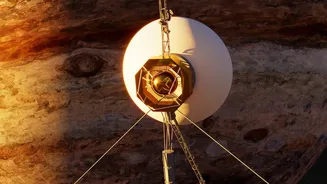
Beyond its scientific mission, Voyager 1 carries a message intended for any intelligent life that might one day encounter it. Attached to its side is the Golden Record, a gold-plated copper phonograph disc containing a portrait of Earth in the late 20th century. The contents were chosen by a committee led by famed astronomer Carl Sagan. They include 116 images, a variety of natural sounds from wind and surf to animal calls, and musical selections from across different cultures and eras, including pieces from Bach, Beethoven, and Chuck Berry. The record also holds greetings spoken in 55 languages and a printed message from then-U.S. President Jimmy Carter. It is a time capsule of human life and culture, a symbolic greeting to the universe that will long outlive the probe's operational lifespan.
The Long, Silent Journey Ahead
While the one light-day milestone is historic, it is just another step in Voyager 1's endless journey. Two of its ten original science instruments, a magnetometer and a plasma wave subsystem, are still active, sending back valuable data about the environment between the stars. Engineers hope to keep at least one instrument running into the 2030s, but eventually, the power will run out. NASA expects to lose contact with the probe around 2036, at which point it will fall silent forever. Even after its voice is gone, Voyager 1 will continue to drift through the Milky Way. In about 40,000 years, it will pass within 1.7 light years of a star named Gliese 445. It will take the probe about 300 years just to reach the inner edge of the Oort Cloud, a theoretical sphere of icy objects at the very edge of our solar system. Its mission serves as a humbling reminder of the vastness of space and the enduring power of human curiosity.