





Kasol vs. Jibhi: Choose Your Himalayan Vibe
Before packing your bags, it's crucial to understand the fundamental difference between these two Himachali gems. Kasol, nestled in the vibrant Parvati Valley, is a bustling hub for backpackers and social butterflies. It’s known for its energetic cafe
culture, ample social opportunities, and a constant hum of activity. If you thrive on networking and enjoy a lively atmosphere after logging off, Kasol is your spot. Jibhi, on the other hand, is its serene counterpart located in the tranquil Tirthan Valley. It's a place for deep focus, where the loudest sounds are the Tirthan River and birdsong. Jibhi attracts those seeking solitude, a slower pace, and a genuine connection with nature. If your ideal workday ends with a quiet walk in a pine forest rather than a party, Jibhi is calling your name.
The Kasol Experience: Work, Socialise, Wander
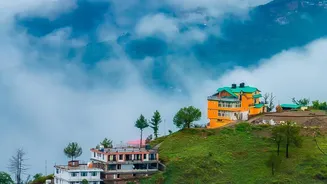
Working remotely from Kasol means being plugged into a ready-made social scene. The town is packed with cafes like The Evergreen Café and Moon Dance Café, many of which offer decent Wi-Fi and a place to meet fellow travelers. This makes it ideal for freelancers and tech workers who don't want to feel isolated. After work, easy treks to nearby villages like Chalal and Tosh offer a quick escape. The accessibility and variety of food, from Israeli falafel to Italian pizza, is a major plus. Homestays are plentiful and generally budget-friendly, with prices for long-term stays being negotiable. However, the main market can get crowded, especially on weekends. For more peace, consider staying in quieter hamlets like Choj or Katagla, which are a short walk away but feel worlds apart.
Finding Your Kasol Homestay
Finding a budget homestay in Kasol requires a bit of on-ground research, although platforms like Goibibo and MakeMyTrip are good starting points. Prices can start as low as ₹500-₹800 per night, but for long-term work-friendly stays with reliable Wi-Fi, expect to budget around ₹15,000 to ₹25,000 per month. The key is to ask specific questions before booking. Instead of asking "Do you have Wi-Fi?", ask "Is it fiber broadband or a mobile hotspot?". Inquire about power backup, as outages can be common. Many remote workers find better deals by initially booking for a few days and then negotiating a monthly rate directly with a host whose setup meets their needs.
The Jibhi Alternative: Peace and Productivity
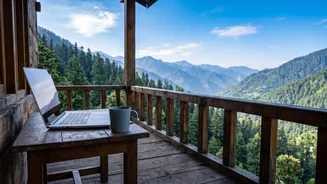
Jibhi offers a different kind of productivity—one born from quiet and focus. The area is significantly less commercialised than Kasol. It's the perfect environment for writers, coders, and designers who need to minimise distractions. The Tirthan Valley is a gateway to the Great Himalayan National Park, offering pristine nature right at your doorstep. Popular activities include hiking to Serolsar Lake, visiting the Jibhi waterfall, and exploring traditional wooden villages. While Jibhi was once an internet dead zone, dedicated fiber connections have made it a viable workation spot, with some properties offering speeds of 30-100 Mbps. The community is small and welcoming, centered around the local concept of "Ailyak," or the art of unhurried living.
Securing a Homestay in Jibhi
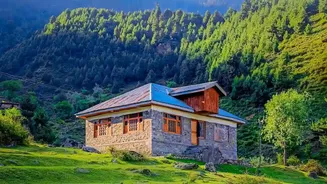
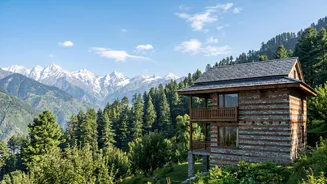
Jibhi's accommodation is dominated by traditional wooden homestays and charming guesthouses, which offer a more authentic experience than Kasol's concrete hotels. Budgeting for a long-term stay in Jibhi can be very cost-effective, with some sources claiming a budget of ₹25,000 can cover a premium room, meals, and high-speed internet for a month. Since there are fewer options than in Kasol, it's wise to book in advance, especially for stays with verified fiber Wi-Fi and power backup. Look for homestays in the main village, or in nearby areas like Tandi and Ghiyagi for reliable connectivity. Always confirm the internet situation directly with the host before committing to a long stay.
Essential Toolkit for the Himalayan Tech Worker
Regardless of where you go, a successful Himalayan workcation requires preparation. First, manage your connectivity expectations. While fiber is available, it's not everywhere. Carry a portable Wi-Fi dongle with both Jio and Airtel SIM cards as a backup. Second, a powerful power bank or an inverter is non-negotiable; electricity can be unpredictable, especially during bad weather. Third, carry sufficient cash. Jibhi has no ATM, and even in Kasol, machines can be unreliable. Finally, the best deals and quietest atmosphere are found in the shoulder seasons (March-May and September-November), so plan your trip accordingly to avoid crowds and peak pricing.