







First, Find the Source
That musty smell is a direct result of high humidity creating a breeding ground for mould and mildew. During the monsoon, moisture gets trapped in fabrics, walls, and furniture, allowing these fungi to thrive. Before you can treat the smell, you must address
the underlying dampness. Check for obvious signs like water stains on ceilings, peeling paint, or damp patches on walls. Pay close attention to closets, bathrooms, and kitchens, as these areas are often poorly ventilated and prone to moisture buildup. Sometimes the source is less obvious, like moisture trapped behind a large cupboard or in a carpet that hasn't dried properly.
Immediate Odour-Busting Solutions
For a quick fix, turn to natural, affordable ingredients you likely already have. Baking soda is a powerful odour neutraliser. Sprinkle it on carpets and upholstery, let it sit for about 30 minutes, and then vacuum it up. You can also place open bowls of baking soda in stuffy closets or damp corners to absorb smells and moisture. Activated charcoal is another excellent absorber of both odours and moisture. Place charcoal briquettes or bags in drawers, shoe racks, and wardrobes to purify the air. A bowl of white vinegar left in a room can also help neutralise stubborn musty smells. For an instant refresh, boil a pot of water with lemon slices, cloves, or cinnamon sticks to fill your home with a pleasant, natural fragrance.
Ventilate and Improve Airflow
One of the simplest yet most effective strategies against dampness is good ventilation. Whenever there's a break in the rain, open your windows and doors to allow for cross-ventilation. This helps reduce moisture buildup and prevents the air from becoming stagnant. Use exhaust fans in kitchens and bathrooms to expel moist air after cooking or showering. Even running a ceiling fan can help circulate air and keep surfaces dry. If you have furniture placed flush against walls, consider pulling it a few inches away to allow air to flow behind it, preventing hidden mould growth.
Control Indoor Humidity
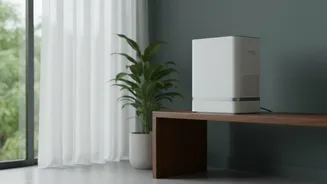
In a climate with high humidity, sometimes ventilation isn't enough. An electric dehumidifier is a highly effective tool for pulling excess moisture from the air, which helps prevent mould growth and protects wooden furniture and electronics from damage. For a more natural approach in smaller spaces like cupboards, you can use moisture absorbers like silica gel packets or place bowls of rock salt, which also help draw moisture from the air. Certain indoor plants, such as peace lilies and ferns, are known to absorb moisture from the air, acting as natural, decorative dehumidifiers.
Adopt a Smarter Cleaning Routine
During the monsoon, a more rigorous cleaning schedule is necessary. Regularly wipe down walls, window sills, and other surfaces where condensation might form. Avoid drying clothes indoors if possible, as this releases a significant amount of moisture into the air. If you must, use a well-ventilated area or a dryer. Pay special attention to fabric surfaces like rugs, curtains, and mattresses, as they can trap damp smells. If you can't wash heavy items, sprinkling them with baking soda and vacuuming can help freshen them up. Be sure to wash any damp clothes or towels immediately to prevent them from developing a mildew odour.
When to Call a Professional
While most musty smells can be managed with these tips, a persistent and overpowering odour could signal a more serious issue. If you find large patches of mould (generally larger than 10 square feet), or if you see signs of structural water damage like rotting wood or crumbling plaster, it's time to call a professional. A specialist can identify the root cause of the dampness, such as rising damp from the ground or penetrating damp from leaks in the walls or roof, and provide a permanent solution. Ignoring a serious damp problem can lead to significant structural damage and potential health risks.