

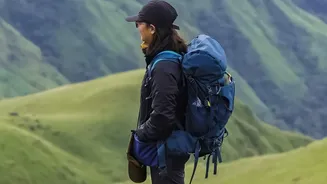


The Right Backpack and Rain Cover
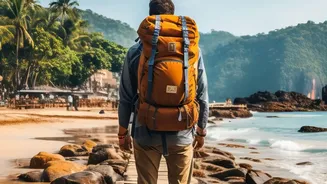
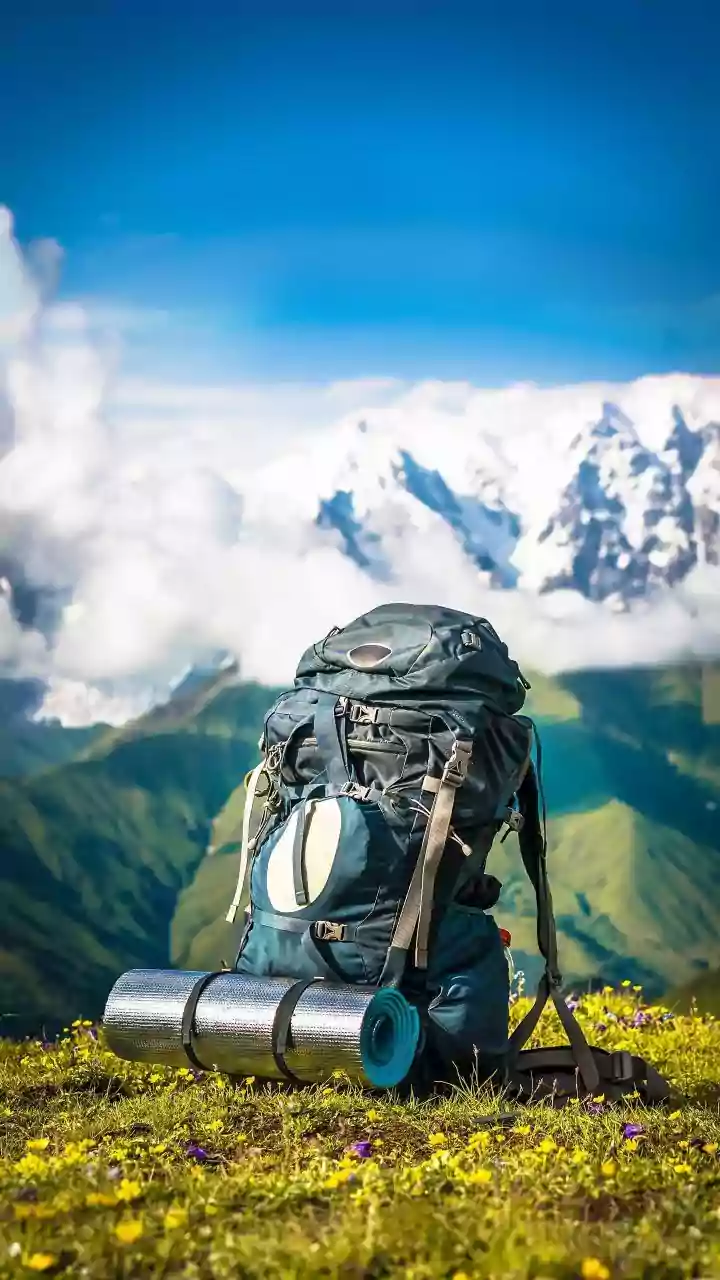
Your backpack is your home on the trail, making it the most critical piece of gear. For most weekend or short treks in the Ghats, a 35-45 litre pack is ideal. It’s large enough to hold essentials without being overly bulky. Crucially, ensure your backpack has
a dedicated rain cover. The weather in the Ghats is notoriously unpredictable, especially during the monsoon, and a sudden downpour can soak your gear in minutes. A good rain cover, often included with quality packs, will keep your clothes, electronics, and food dry. For extra protection, consider lining the inside of your pack with a large plastic bag.
Footwear with a Serious Grip
The trails in the Western Ghats are often a mix of rock, mud, and slippery, moss-covered paths, particularly during and after the rains. Standard sports shoes won't provide the necessary traction. Invest in a pair of trekking shoes with deep lugs and a robust grip. While fully waterproof boots might seem like a good idea, they can often trap water that gets in from the top, leading to water-logged feet. Many seasoned trekkers prefer quick-drying shoes with excellent drainage. Whatever you choose, make sure they are well broken-in to prevent blisters.
Layered, Quick-Dry Clothing
Cotton is a backpacker's enemy in humid conditions. It absorbs moisture, takes a long time to dry, and can leave you feeling cold and damp. Instead, pack clothes made from synthetic, quick-dry materials. A layered approach works best. Start with a moisture-wicking t-shirt, add a fleece jacket for warmth if you're trekking at higher altitudes where nights get chilly, and top it all off with a lightweight, breathable waterproof jacket or poncho. A poncho has the added benefit of being able to cover you and your backpack. Always pack an extra set of dry clothes to change into at your campsite or homestay.
A Region-Specific First-Aid Kit
Your standard first-aid kit needs a few Western Ghats-specific additions. Leeches are a common, though mostly harmless, part of the ecosystem, especially in the monsoon. Packing anti-leech socks, which create a physical barrier, is highly recommended. Your kit should also include antiseptic for cleaning cuts and scrapes, which can easily get infected in the humid environment, band-aids, insect repellent containing DEET, and any personal medications. An antihistamine cream can help with itchiness from insect or leech bites.
Hydration and Energy
Dehydration can set in quickly, even when the weather feels cool and misty. Carry at least two litres of water. A reusable water bottle is a must, and it's wise to have a water purification system as well. Relying on streams can be risky, so water purification tablets or a filter bottle are excellent, lightweight options. Also, pack high-energy snacks like nuts, energy bars, and dried fruit. These are easy to eat on the go and will help you maintain your energy levels on strenuous sections of the trail.
Navigation and Power Essentials
Mobile networks can be unreliable or completely absent in large parts of the Western Ghats. Do not rely solely on online maps. Download offline maps of the region before you leave. A power bank is non-negotiable for keeping your phone charged for emergencies and photography. A headlamp or torch with extra batteries is another essential, as trails can get dark quickly under a dense tree canopy or if your trek extends into the evening. It's much safer than using your phone's flashlight and draining its battery.