





Daily: Prioritise Airflow and Sunlight
The simplest and most effective first step is to improve ventilation. For at least 30-60 minutes every day, throw open all windows and doors to allow fresh air to circulate and push out trapped, humid air. This is especially crucial for bathrooms and kitchens
right after use; run exhaust fans for 15-20 minutes to expel steam and moisture. On days when the sun is out, make the most of it. Sunlight is a natural disinfectant and drying agent. Pull back curtains and let direct sunlight hit as many rooms as possible. Airing out cushions, rugs, and bedding in the sun for a few hours can work wonders to remove lingering dampness and musty smells.
Weekly: Inspect and Wipe Down Surfaces
Dedicate a small amount of time each week to a moisture inspection. Check wall corners, areas behind furniture, and window sills for any signs of damp patches, peeling paint, or the first spots of mould. Catching these early prevents a much bigger problem. Wipe down wooden furniture, doors, and window frames with a dry, clean cloth. Wood is particularly susceptible to swelling and damage from absorbed moisture. For an extra layer of protection, you can use a diluted white vinegar solution to wipe down surfaces prone to mould, as it helps inhibit spore growth.
The Wardrobe Reset: A Critical Task
Closets are notorious for trapping moisture, leading to musty-smelling clothes and mould. Don't pack clothes tightly; leave small gaps between garments to allow air to circulate. On a dry or sunny day, it’s a good practice to empty your wardrobe and let it air out for a few hours. Before putting anything back, wipe the interior surfaces. For ongoing moisture control, place natural absorbers inside. Small pouches of camphor, dried neem leaves, chalk sticks, or silica gel packets are excellent for this. These cost-effective solutions absorb excess humidity and help keep clothes fresh.
Managing Soft Furnishings and Linens
Carpets, curtains, and bed linens are moisture magnets. It's a good idea to deep clean them as the season changes. If you noticed any mustiness during the monsoon, now is the time to wash them thoroughly. Ensure everything is completely dry before storing or putting it back in place. Even a slightly damp curtain or bedsheet can become a breeding ground for mildew. For carpets, sprinkling baking soda, letting it sit for about 30 minutes, and then vacuuming it up can help neutralise odours and absorb residual dampness. When storing away extra linens, opt for breathable cotton bags instead of plastic containers, which can trap moisture.
Check for Leaks and Pests
The heavy rains may have created issues you can't immediately see. Do a quick check under sinks, around toilets, and near appliance water lines for any signs of slow leaks. Also, inspect the seals around your windows to ensure no water is seeping in. Dampness creates an inviting environment for pests like cockroaches, termites, and silverfish. Keeping your home dry is a primary form of pest control. Ensure your kitchen is clean, food is stored in airtight containers, and any cracks in walls or floors are sealed to prevent pests from finding a new home.
When to Use a Dehumidifier
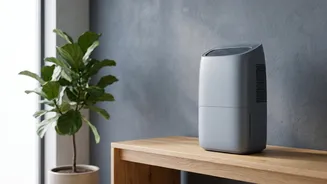
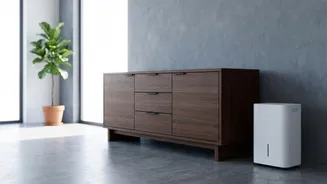
For homes in extremely humid areas or rooms that lack good ventilation (like basements), a portable dehumidifier can be a game-changer. These appliances actively pull moisture from the air, helping to maintain an ideal humidity level of below 50%. Using one can significantly speed up the drying process, prevent mould growth on a larger scale, and protect expensive electronics and furniture from long-term moisture damage. While natural methods are great for maintenance, a dehumidifier is a powerful tool for tackling persistent dampness.