
Beyond the Eggless Sponge
For years, vegetarian baking in India was largely defined by substitution. The primary goal was often to create an eggless version of a Western classic, a necessary and important innovation that opened up the world of cakes and pastries to a wider audience.
But the new wave of Indian baking is driven by a different philosophy. It’s not about what’s left out, but what’s put in. This movement is about genuine culinary creation, where vegetarianism isn't a constraint but a canvas for exploring flavour, texture, and identity. The focus has shifted from simple replacement to reinvention, leading to a category of baked goods that feels both new and deeply rooted in Indian taste.
The Savoury Revolution
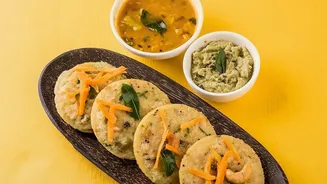
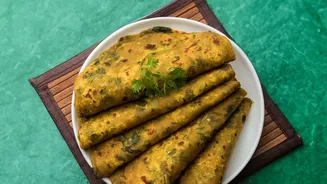
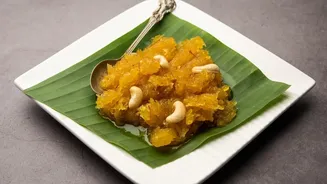
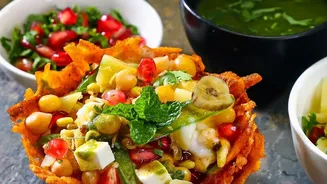
Perhaps the most exciting frontier is in savoury baking. While traditional Indian snacks have always offered a wealth of vegetarian options, they were often fried. Today's bakers are applying baking techniques to these beloved flavours, creating healthier yet equally indulgent treats. Think of baked versions of classics like vada pav or mathri, which retain their satisfying crunch without the deep-frying. You'll find bakeries offering flaky croissants stuffed with badam halwa or paneer, and rustic tarts filled with spiced mushrooms and spinach. This trend also embraces global formats, giving us things like desi-style baked pasta and savoury vegetable cakes inspired by dhokla, proving that the comfort of a warm, savoury bake knows no borders.
A Sweet New Language
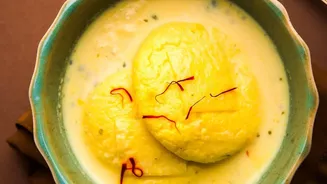
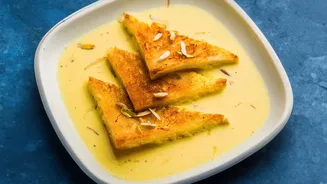
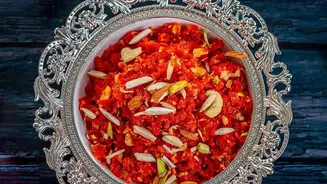
The dessert counter is also being dramatically transformed. Fusion is the name of the game, as bakers masterfully blend Indian sweets with global dessert architecture. This has given rise to spectacular creations like Rasmalai tres leches cake, gulab jamun cheesecake, and Thandai-flavoured baklava. These aren't gimmicks; they are thoughtfully constructed desserts that honour both traditions. A gajar ka halwa cake, for instance, doesn't just taste like its components; it elevates them into a new, cohesive whole. This fusion extends to ingredients as well, with a growing emphasis on using traditional, healthier sweeteners like jaggery and local grains like millets in everything from brownies to muffins.
Health and Heritage Drive the Change
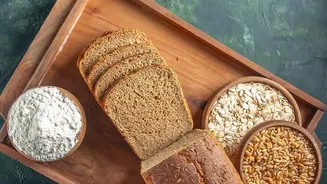
What’s fuelling this creative explosion? Two major cultural shifts are at play. First, there's a growing consciousness around health and wellness, which has led consumers to seek out baked goods made with whole grains, less sugar, and cleaner ingredients. The 'no maida' movement is a clear indicator of this preference. Second, there's a renewed appreciation for local and traditional ingredients. Bakers are rediscovering the versatility of millets, the nuance of regional spices like cardamom and saffron, and the unique flavours of Indian fruits. This movement is less about blindly following global trends and more about looking inward to create something authentically modern and Indian. It's about reconnecting with culinary roots and presenting them in a new, exciting context.