

The Monsoon's Fungal Treasures
For generations, the arrival of the monsoon signalled more than just a change in weather. In many parts of India, it meant the arrival of wild, edible mushrooms, a delicacy deeply woven into regional and tribal food cultures. These are not the cultivated
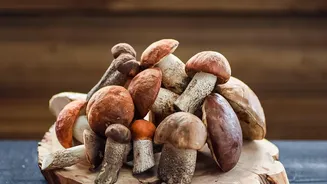
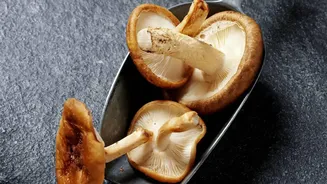
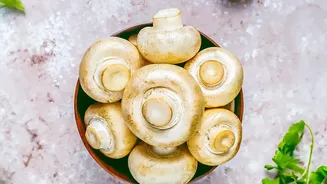
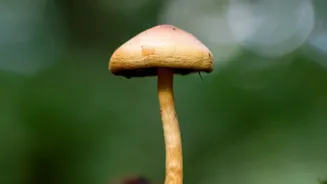
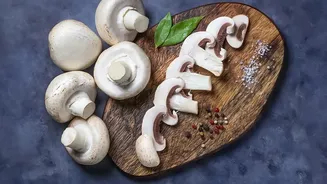
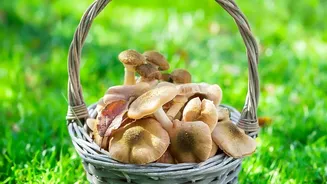
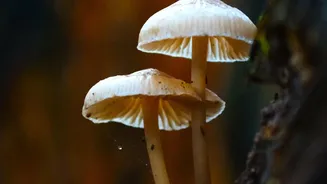
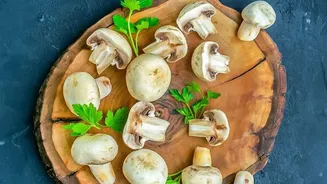
button or oyster mushrooms found year-round in supermarkets. We’re talking about prized varieties like the earthy Termitomyces, known as 'olmi' in Goa, which grow on termite mounds, or the 'rugda' of Jharkhand, which is affectionately called 'vegetarian mutton'. These fungi, which cannot be commercially cultivated, appear for a fleeting period, turning a walk in the forest into a treasure hunt. Their flavours are complex, unique, and deeply connected to the soil they spring from, offering a taste that is both wild and distinctly local.
The Home Chef Forager
Once the domain of indigenous communities and regional connoisseurs, these seasonal mushrooms are now finding their way into urban home kitchens. A new generation of curious home chefs, empowered by social media and a growing interest in ingredient-driven cooking, is leading this charge. They are documenting their market finds, swapping recipes for 'olmi' xacuti or morel pulao, and celebrating the thrill of cooking with something so ephemeral. This movement isn't just about trying a new ingredient; it's about connecting with a food system that is seasonal, local, and intentional. By seeking out these mushrooms, home cooks are becoming active participants in the preservation of culinary knowledge that was previously at risk of being forgotten.
A Flavourful Rebellion
The embrace of seasonal mushrooms is part of a larger, flavourful rebellion against the homogenisation of our diets. For decades, the trend was towards standardised, always-available produce. But today, home cooks are rediscovering that taste is tied to place and season. The 'gucchi' mushroom from Kashmir, with its spongy, honeycombed texture, offers a flavour profile that a generic mushroom simply cannot replicate. This growing appreciation for terroir—the idea that food tastes of its specific environment—is pushing people to look beyond the supermarket and explore local farmers' markets and connect with regional vendors. It’s a conscious choice to prioritise flavour and quality over convenience.
Beyond the Mushroom
The curiosity sparked by mushrooms is proving to be a gateway to a wider exploration of India's forgotten foods. Once a home chef experiences the unique satisfaction of cooking a wild 'olmi', they are more likely to seek out other hyper-local ingredients. This includes indigenous grains like millet, heirloom vegetables, and regional greens that were once staples but have been overshadowed by modern crops. The mushroom has become a symbol of a broader movement towards culinary rediscovery, encouraging people to appreciate the vast biodiversity that Indian food traditions have to offer. This shift supports local farmers, promotes sustainable agriculture, and brings a richer variety of nutrients and flavours back to the dinner table.
The Wisdom of the Wild
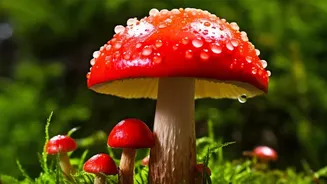
As exciting as this trend is, it comes with a crucial caveat: foraging for wild mushrooms requires expert knowledge. The line between an edible delicacy and a poisonous fungus can be dangerously thin. Indigenous communities have passed down this knowledge for generations, learning to identify safe varieties through smell, texture, and location. For the home chef, the safest path is to rely on trusted local vendors and community experts who have this deep, inherited wisdom. This trend is not about encouraging reckless foraging but about respecting and supporting the ecosystems—both natural and human—that bring these incredible ingredients to our kitchens responsibly.