





The Pull of a UNESCO Heritage Site
Stretching over 1,600 kilometres across five states, the Western Ghats are a UNESCO World Heritage Site renowned for their staggering biodiversity. This isn't just a backdrop for a vacation; it's an active, breathing ecosystem. For the eco-conscious traveller,
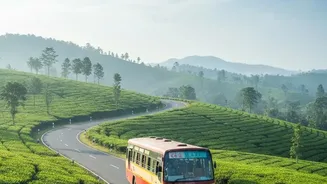
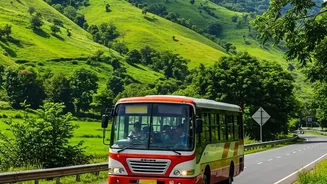
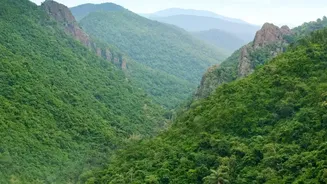
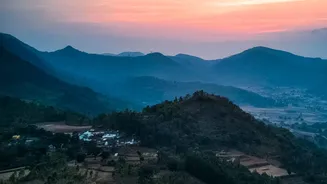
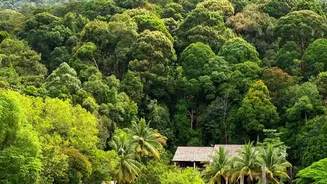
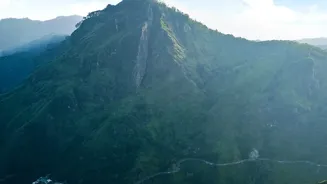
choosing this region is an intentional decision to immerse themselves in one of the world's most significant natural landscapes. The allure lies in its dense shola forests, rolling grasslands, and mist-clad peaks, from the Sahyadris in Maharashtra to the Anaimalai and Nilgiri Hills in the south. Destinations like Sakleshpur in Karnataka or the serene hills of Wayanad in Kerala offer a direct path into this verdant world, far from the concrete clamour of city life.
Beyond the Crowded Tourist Circuits
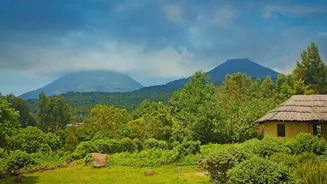
While popular hill stations have their charm, the mindful traveller often seeks something more: solitude. They are consciously moving away from overcrowded hotspots towards quieter, lesser-known locales where the soundtrack is birdsong, not traffic. Places like Valparai in Tamil Nadu, known as the 'Seventh Heaven', or the tranquil environs of Malshej Ghat in Maharashtra provide this much-needed peace. This choice is about quality over quantity—swapping a checklist of sights for the profound experience of simply 'being' in nature. It’s an opportunity to disconnect from digital noise and reconnect with oneself in an environment free from pollution and distraction.
The Sustainable Ethos
What truly defines these trips is a commitment to sustainability. Eco-conscious travellers are increasingly seeking out farm stays and homestays that do more than just offer a room; they offer a philosophy. Many of these properties, like the Rainforest Retreat in Coorg or Off The Grid in Maharashtra, are built on principles of permaculture and environmental harmony. They utilize solar power, harvest rainwater, practice organic farming, and are constructed with local, sustainable materials. This approach ensures that tourism contributes positively to the environment rather than depleting it. Staying in such places allows travellers to align their actions with their values, making the vacation feel both restorative and responsible.
Mindful Activities for the Soul
Rejuvenation here is an active process, nurtured through mindful activities. The Japanese practice of 'Shinrin-yoku' or forest bathing—immersing oneself in the forest atmosphere—is central to the experience. Scientific studies have shown that this practice can reduce stress hormones like cortisol, lower blood pressure, and boost immune function. Many retreats in the Western Ghats, such as Dharana at Shillim and SwaSwara in Gokarna, integrate this with other wellness practices. Days are filled with yoga and meditation sessions, guided nature walks, birdwatching, and gentle treks, all designed to calm the nervous system and restore mental clarity.
Authentic Connection and Community
A key reason for choosing these quiet destinations is the desire for authentic connection. Many eco-lodges and homestays are run by local families or operate on a community-based tourism model, where the economic benefits directly support the local populace. This fosters a genuine cultural exchange that goes beyond a transactional tourist experience. Travellers get to enjoy home-cooked meals made from locally sourced ingredients, learn about regional traditions, and engage with the community in a respectful way. It transforms a simple trip into a meaningful interaction, creating a win-win scenario where both the visitor and the host community are enriched.