




The Monsoon's Crucial Timetable
The Indian agricultural year is traditionally split into two main seasons: Kharif and Rabi. The Kharif season, which starts with the onset of the southwest monsoon in June, is the most critical. Farmers sow major crops like rice, maize, soybean, and cotton,
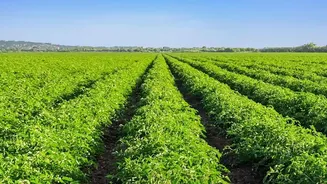
relying on the monsoon rains for germination and growth. These crops are harvested between September and October. A timely, well-distributed monsoon is the foundation for a successful Kharif harvest, which in turn influences food prices, rural incomes, and the broader economy. For large parts of India, these rains provide over 90% of the year's total precipitation, making their predictability a matter of survival.
The Domino Effect of a Late Start
When the monsoon arrives late, the entire agricultural cycle is thrown off balance. A delay of even a few weeks forces farmers to postpone sowing. This delay shortens the growing season, which can lead to lower yields or force farmers to switch to less profitable, shorter-duration crop varieties. In some cases, farmers who have invested in seeds and fertilisers are left waiting, as sowing in dry soil is futile. This uncertainty not only affects the farmers' potential income but also impacts daily wage labourers who depend on sowing season employment. A delayed start creates a cascade of economic and social stress before a single seed has even sprouted.
Too Much or Too Little: The Peril of Erratic Rains
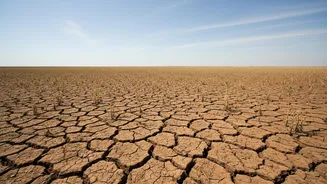
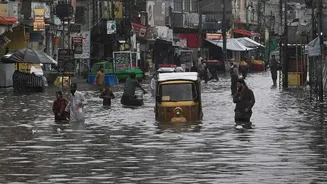
Monsoon variability isn't just about a late arrival. Increasingly, the problem is the rain's character: long dry spells punctuated by short, intense downpours. After sowing, a prolonged dry period can stunt crop growth, increase moisture stress, and lead to failed crops. Conversely, when a week's worth of rain falls in a few hours, it can cause waterlogging, wash away freshly planted seedlings, and erode fertile topsoil. This pattern of extremes—drought and flood conditions sometimes occurring in the same season—makes farming a high-stakes gamble. Hard, dry soil from a preceding dry spell is also less able to absorb sudden, heavy rain, leading to more runoff and less groundwater replenishment.
How a Weak Monsoon Haunts the Winter Crop
The consequences of a poor Kharif monsoon season spill over into the subsequent Rabi, or winter, season. The Rabi season relies heavily on the soil moisture and reservoir water accumulated during the monsoon months. A deficient monsoon means reservoirs are not adequately filled and soil moisture is low, increasing the dependence on irrigation for winter crops like wheat, barley, and mustard. This puts immense pressure on groundwater reserves, which are already depleting in many parts of the country. Farmers might have to bear higher costs for irrigation, and in rain-fed areas with limited access to groundwater, a failed monsoon can mean a compromised Rabi crop as well, delivering a double blow to agricultural households.
Adapting to a New and Unpredictable Climate
Faced with this growing uncertainty, India's agricultural sector is being forced to adapt. Farmers are exploring changes in cropping patterns, such as switching to less water-intensive crops like millets or pulses. There is also a growing emphasis on technological solutions, including smart farming techniques that use real-time data for efficient irrigation and soil moisture tracking. Better weather forecasting is becoming crucial, as accurate long-range predictions can help farmers make informed decisions about when and what to plant. At a policy level, the focus is shifting towards water conservation, building resilient infrastructure, and creating support systems to help farmers navigate the financial risks of an increasingly unpredictable climate.