








What 'Experience-First' Really Means
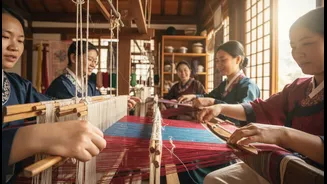
Forget rushing through a checklist of monuments. An experience-first holiday prioritises immersive activities that connect you with the destination's culture, nature, or lifestyle. Instead of just seeing a temple, you might participate in a local ceremony.
Instead of just eating at a popular restaurant, you might take a cooking class that starts with a trip to a local market. The destination becomes the backdrop for the experience, not the other way around. This approach is gaining huge traction among Indian travellers, especially Gen Z, who are planning trips around concerts, food trails, wellness retreats, and cultural festivals.
Why It's Appealing to Families and Friends
For families and friend groups, this travel style offers something more valuable than a photo album full of selfies: shared memories. Activities like a group cooking class in Thailand, a craft workshop in Bali, or a guided trek in Vietnam create powerful bonding moments. These trips move beyond the passive nature of sightseeing, which can sometimes fail to engage all age groups. When everyone is actively participating, it fosters connection. For families, it’s a chance for children to learn and see the world differently. For friends, it’s an opportunity to build stories you’ll recount for years to come. The short flight times to many Asian destinations also make them ideal for these kinds of group getaways.
Managing Expectations: Beyond the Instagram Post
The curated perfection of social media can set unrealistic expectations. An authentic experience isn't always comfortable or seamless. A homestay in a rural village might mean giving up some modern comforts. A street food tour might challenge your palate. It’s crucial for groups to have an open mind and embrace the unexpected. Not every activity will be a hit with every single person, and that's okay. The key is flexibility and focusing on the overall adventure rather than demanding perfection from every moment. Sometimes, the most memorable parts of a trip are the ones that didn't go according to plan.
Planning and Budgeting for Experiences
Experience-led travel requires a different planning mindset. Start by discussing what kind of activities excite your group. Is it adventure, food, relaxation, or culture? Once you have a theme, you can choose a destination that excels in that area—like Vietnam for culture, Thailand for food and beaches, or Singapore for family entertainment. When budgeting, remember that specialised tours, workshops, and classes can be more expensive than standard entry tickets. However, many destinations in Southeast Asia remain highly affordable for Indian travellers, offering great value. Be sure to vet tour operators and read recent reviews to ensure authenticity and safety. Easier visa norms in countries like Thailand, Indonesia, Malaysia, and Sri Lanka also make spontaneous planning much simpler.
Navigating Group Dynamics
Travelling with family or friends is a balancing act. Everyone has different interests, energy levels, and budgets. The biggest pitfall is trying to pack too much into one trip. A rushed itinerary leads to exhaustion and stress, not enjoyment. It’s important to build downtime into your schedule and even allow for moments where the group splits up to pursue individual interests. Maybe one half of the group wants to visit a museum while the other relaxes at a café. Agreeing on a few key shared experiences and allowing for flexibility around them is the secret to a successful group holiday. Slowing down lets you truly absorb the place you're in, creating a much richer travel story.