



Reinvent the Pakora
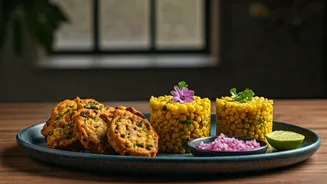
The quintessential monsoon snack, the pakora, is traditionally deep-fried, making it high in unhealthy fats. To make it healthier, ditch the deep-frying. [11] Instead, use an air fryer or bake them in the oven until golden and crisp. [11, 23] You can
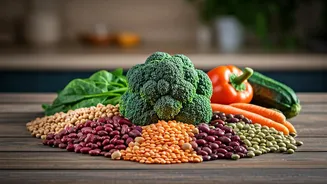
also make your batter more nutritious by using besan (chickpea flour) mixed with shredded vegetables like spinach, cabbage, and carrots. [11] Another healthy alternative is making moong dal chillas, or savoury lentil pancakes, which are packed with protein and fibre. [10, 19]
Embrace the Bhutta (Corn)
Roasted corn on the cob, or bhutta, is a classic monsoon street food that is already quite healthy. [10, 23] It's rich in fibre and essential nutrients like Vitamin C and magnesium. [23] To keep it healthy, go easy on the butter and salt. Instead, flavour it with a squeeze of lime juice and a sprinkle of chilli powder and chaat masala for that tangy, spicy kick. [10] You can also use boiled corn kernels to make a delicious and nutritious corn chaat with chopped onions, tomatoes, and cucumbers. [23]
Sip on Immunity-Boosting Drinks
While masala chai is a beloved monsoon beverage, you can enhance its health benefits by adding immunity-boosting spices like ginger, cardamom, and cinnamon. [12] Herbal teas, especially those with tulsi and ginger, are excellent for keeping infections at bay. [4] Another great option is a warm bowl of soup. Homemade vegetable or lentil soups are hydrating and packed with vitamins and minerals that support a healthy immune system. [12, 13] Adding turmeric to your soups and other dishes provides anti-inflammatory benefits. [4]
Swap Samosas for Healthier Bites
Like pakoras, samosas are another deep-fried favourite that can be made healthier. Try baking them instead of frying. [15] For an even healthier version, use a multigrain flour wrapper made from whole wheat, jowar, or ragi instead of refined flour (maida). [11] You can also experiment with fillings like spiced sweet potato, sprouts, or crumbled paneer for added protein and nutrients. [11] Steamed snacks like dhokla are also a great light and protein-rich alternative. [11]
Choose Probiotics and Light Meals
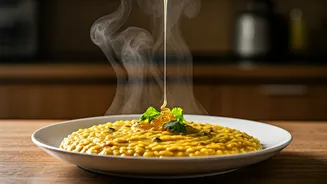
The monsoon season can sometimes weaken digestion. [14] Including probiotic-rich foods like yogurt (curd) and buttermilk in your diet can promote good gut health, which is essential for a strong immune system. [4, 17] It is also advisable to opt for light and easily digestible meals like khichdi or daliya. [16] Avoid raw salads, as vegetables can carry microbes during this season; it's better to have them steamed or cooked. [4, 17]
Focus on Immunity-Boosting Foods
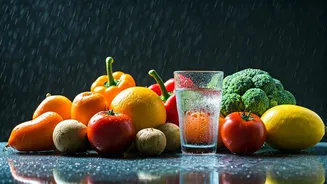
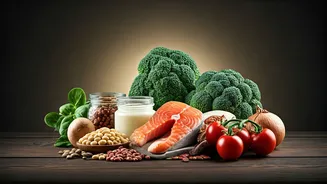
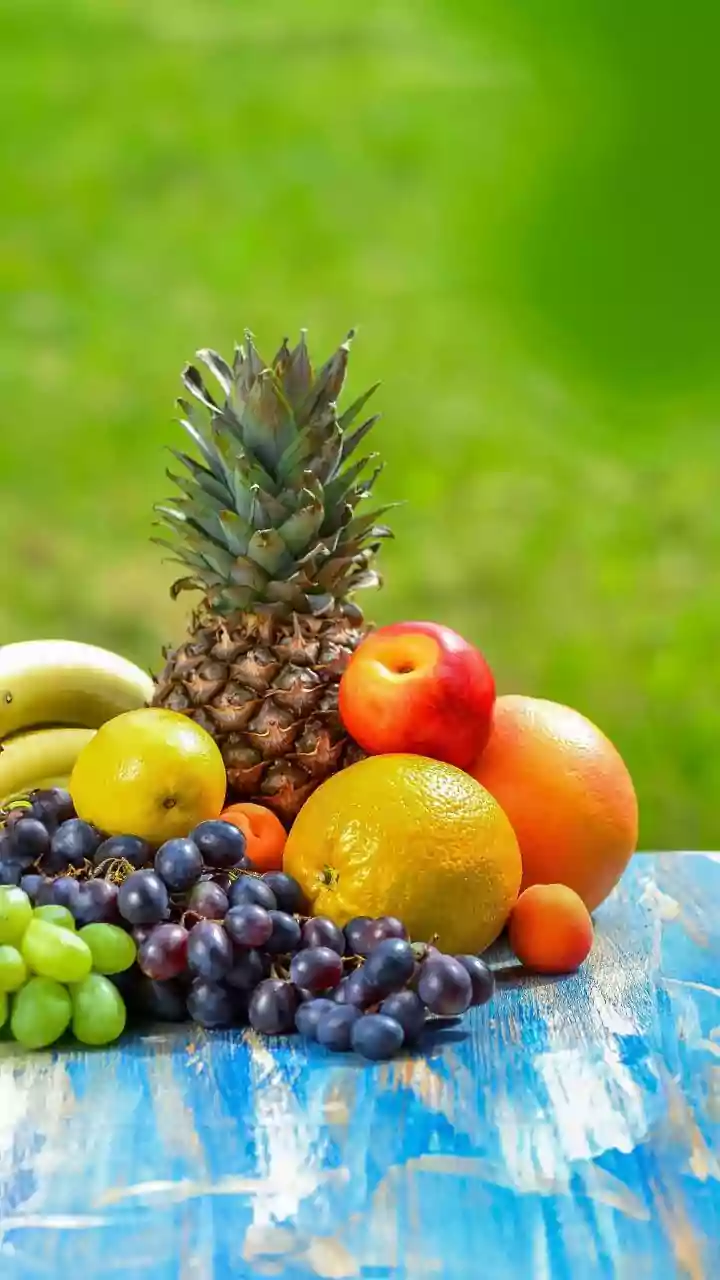
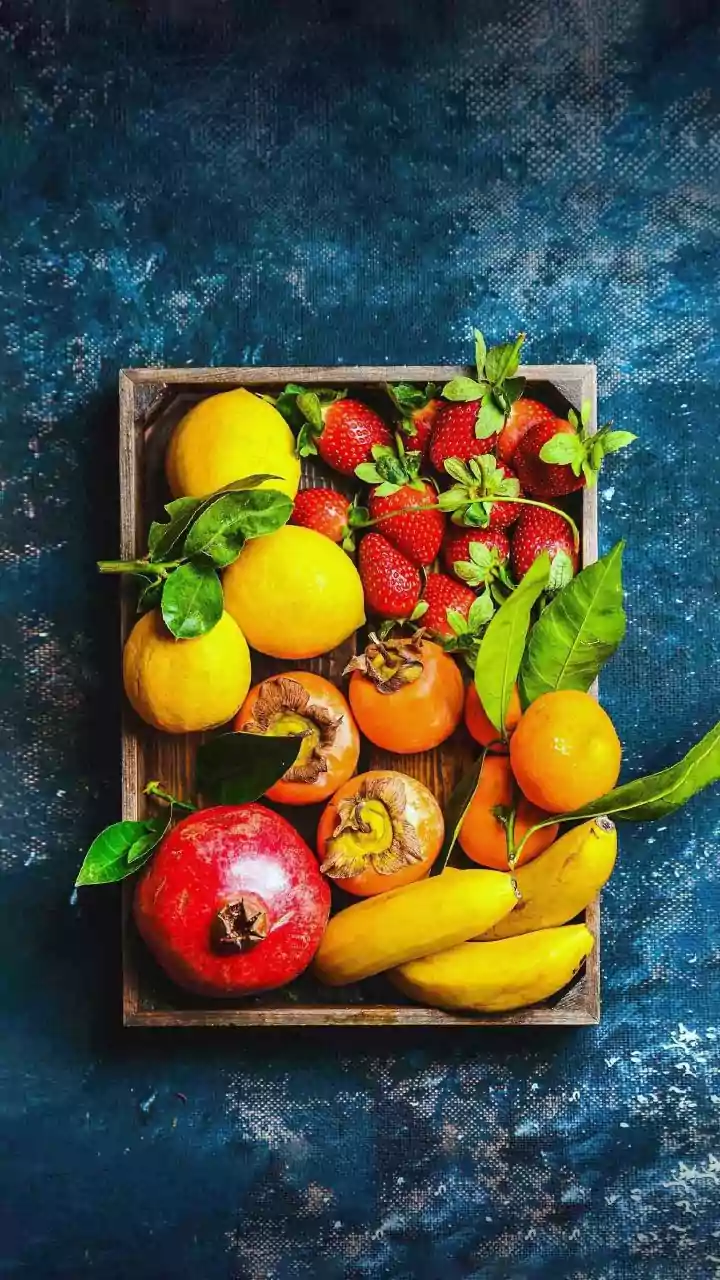
The rainy season often brings a spike in illnesses, making it crucial to bolster your immune system. Incorporate plenty of garlic, ginger, and turmeric in your cooking, as they have powerful antimicrobial and anti-inflammatory properties. [16, 20] Fruits rich in Vitamin C, such as oranges, amla, and lemons, help boost the production of white blood cells that fight infection. [4, 7] Nuts and seeds like almonds are also great for snacking as they provide Vitamin E and healthy fats. [6]