





A deadly high-speed train collision in central Spain, the second this year, has shattered the network's exemplary safety record and sparked urgent calls for a nationwide review of its infrastructure and automated protection systems.
What Happened in Spain?
On October 28, a high-speed
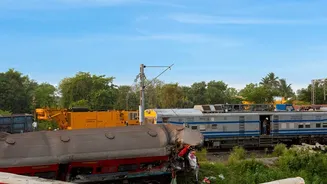
train operated by state-owned Renfe crashed into a stationary train from private company Iryo near Urda, in the province of Toledo. The collision, on the busy Madrid to Seville line, resulted in 69 fatalities and over 100 injuries. The chain of events reportedly began with a failure in the line's computerised signalling system, which brought several trains to a halt. A control centre then manually authorised the Renfe train to proceed at normal speed, despite the stationary train being ahead on the same track, leading to the devastating impact.
A Near-Perfect Record Shattered
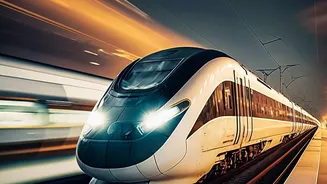
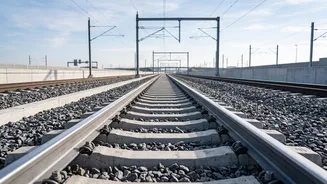
Until this year, Spain's high-speed rail network, known as AVE, was a global benchmark for safety and efficiency. As the second-largest network in the world after China's, it had operated for over three decades without a single fatal crash. However, 2026 has been catastrophic. A collision on the same Madrid-Seville line in January near Adamuz had already killed 46 people. These two incidents, resulting in over 100 deaths combined, have broken public trust and put the system under intense scrutiny.
The Safeguards in Question
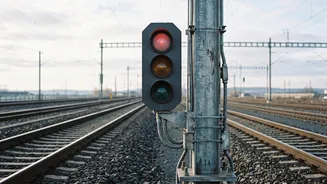
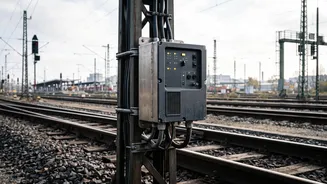
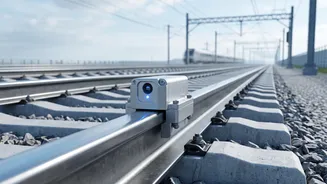
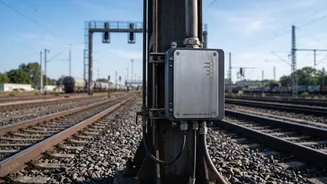
At the heart of the debate are Spain's multiple railway signalling systems. The Madrid-Seville line, the country's oldest high-speed route, uses a system called LZB. While effective, it is an older technology compared to the modern European Rail Traffic Management System (ERTMS), which is being rolled out across the continent to create a single, interoperable standard. Investigations into the crash are focusing on the LZB system's failure and the subsequent human error in the control room. Critics and unions point to this patchwork of technologies and deteriorating infrastructure as key concerns, arguing investment has not kept pace with the network's expansion and liberalisation.
Calls for Accountability and Reform
The response has been swift and severe. Prime Minister Pedro Sánchez acknowledged that trust in the system is 'broken' and promised a thorough investigation and solutions to strengthen safety. Train driver unions, who had previously warned about deteriorating conditions, have called for strikes to demand more investment in safety. In the wake of the crash and intense political pressure, Spain's Transport Minister Óscar Puente announced his resignation. There are now widespread demands from opposition parties and EU lawmakers for a complete and independent review of the entire rail network and an acceleration of the ERTMS rollout.
Why This Matters for India
Spain's crisis holds crucial lessons for countries like India, which are making massive investments in building their own highspeed rail networks. The incidents in Spain are a stark reminder that even the most advanced and celebrated rail systems are vulnerable. They underscore that safety is not just about initial construction but about constant maintenance, regular upgrades of signalling technology, and rigorous, failsafe operational protocols. As India moves forward with its bullet train ambitions, the events in Spain highlight the absolute necessity of integrating the latest, most robust safety and signalling systems from the outset, ensuring seamless communication across the entire network, and investing in continuous training and oversight to prevent system failures from becoming human tragedies.