






An Ancient Tradition in a New Bottle
Long before kombucha and probiotic supplements filled store shelves, households across India practiced a simple method of food preservation that doubled as a source of nutrition: fermentation. At the heart of this tradition is fermented rice, known by
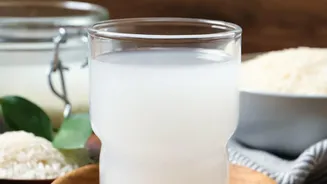
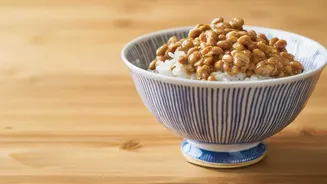
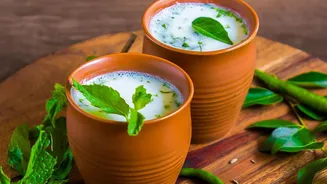
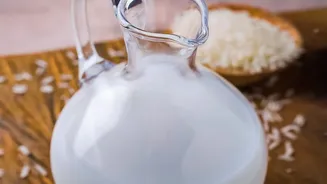
many names like Panta Bhat in Bengal, Pakhala in Odisha, Poita Bhat in Assam, and Pazhaya Sadam in Tamil Nadu. The practice is simple: leftover cooked rice is soaked in water and left to ferment overnight in a clay pot. By morning, this humble meal transforms into a slightly tangy, cooling, and incredibly nutritious dish. The water from this rice, once considered a poor man's staple, is now being hailed as a wellness tonic.
The Gut Health Connection
The recent surge in popularity of fermented rice water is directly linked to the growing global focus on gut health. The fermentation process allows beneficial bacteria, primarily Lactobacillus or Lactic Acid Bacteria (LAB), to multiply. These are the same types of probiotics found in yogurt and other cultured foods that are celebrated for creating a healthy gut microbiome. A balanced gut is crucial for more than just digestion; it impacts immunity, nutrient absorption, and even mood. Consuming fermented rice water, especially on an empty stomach in the morning, introduces these live microorganisms directly into your digestive system, helping to reduce inflammation, prevent bloating, and improve digestion.
More Than Just a Probiotic
While its probiotic power is the main draw, the benefits of fermented rice don't stop there. The fermentation process breaks down anti-nutritional factors in rice, making minerals like iron, calcium, and magnesium more bioavailable for the body to absorb. It also enhances the levels of essential vitamins, including B-vitamins like B12, which are crucial for energy production. Some studies suggest that butyrate, a short-chain fatty acid produced during rice fermentation, has powerful anti-inflammatory effects. This cooling, hydrating drink is also a natural electrolyte, making it an excellent choice for hot weather.
From Kitchen Staple to Skincare Secret
Beyond its internal benefits, fermented rice water has a long history of being used topically for skin and hair health, a practice recently popularized by the K-Beauty trend. The water is rich in amino acids, antioxidants, vitamins, and minerals that nourish the skin and hair. It is believed to brighten the skin, thanks to compounds like niacinamide, and soothe irritation with its anti-inflammatory properties. When used as a hair rinse, it can strengthen the hair shaft, improve elasticity, and add shine. The slightly acidic pH of fermented rice water also helps balance the scalp, potentially reducing dandruff.
How to Make Your Own Rice Tonic
Making fermented rice water at home is incredibly simple. There are two common methods. The first involves using the water from soaked raw rice. Simply rinse half a cup of rice, soak it in two cups of water for about 30 minutes until the water turns cloudy, then strain the liquid. Let this water sit covered in a glass jar at room temperature for 24 to 48 hours. The second, more traditional method uses leftover cooked rice. Place the cooled rice in a clay or glass pot, cover it with water, and let it sit overnight. In the morning, you can drink the water and eat the rice. The liquid should have a slightly sour, tangy smell, indicating successful fermentation. For a classic Indian preparation, many add a pinch of salt, chopped onions, and green chillies to the rice and water.