





Gear Up: The Right Clothing and Footwear
Your comfort and safety begin with what you wear. The golden rule is to avoid cotton at all costs, as it absorbs moisture and takes a long time to dry, which can lead to chafing and even hypothermia. [3, 5] Instead, opt for quick-drying synthetic fabrics
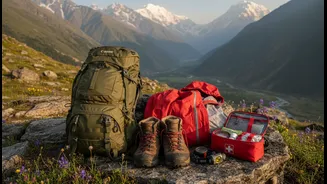
or merino wool for your t-shirts and trousers. [5, 14] A high-quality, breathable rain jacket with a good hood is non-negotiable. [3] Equally important are your shoes. Invest in waterproof trekking shoes that offer excellent grip and ankle support to navigate slippery rocks and muddy paths safely. [5, 6] Many experienced trekkers also recommend waterproof gaiters, which cover the gap between your boots and trousers to keep water, mud, and leeches out. [3]
Pack Smart: Waterproofing and Essentials
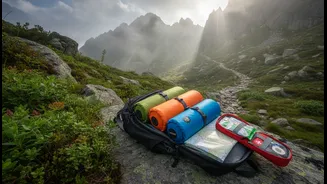
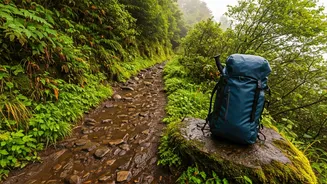
Keeping your belongings dry is crucial. A reliable rain cover for your backpack is the first line of defence. [5] For added protection, use dry bags or even simple plastic bags to compartmentalise and waterproof your electronics, documents, and spare clothes inside your pack. [8, 9] Trekking poles are highly recommended; they provide extra points of contact with the ground, significantly improving your stability on treacherous terrain. [2, 4] Your pack should also contain a well-stocked first-aid kit with essentials like antiseptic wipes, bandages, pain relievers, and any personal medications. [2, 13] A headlamp or flashlight, a fully charged phone with a power bank, and high-energy snacks are also must-haves. [2, 21]
Choose Wisely: Selecting a Safe Trail
Not all trails are suitable for the monsoon. Before you go, research your route thoroughly. [4] Opt for well-marked trails that are known to be safe during the rainy season and avoid those prone to landslides or flash floods. [2, 15] It's wise to choose shorter, less strenuous trails, as slippery conditions can make any trek more difficult. [2, 25] Check with local authorities, trekking communities, or forest officials for the most up-to-date information on trail conditions. [4, 7] Always monitor the weather forecast in the days leading up to your trek and be prepared to change your plans if heavy rain is predicted. [6, 7] Starting your trek early in the morning can also help you avoid intense afternoon showers and poor visibility. [4]
On the Trail: Navigating and Staying Alert
Once you're hiking, stay vigilant. Walk at a steady, careful pace, testing your footing before putting your full weight down, especially on wet rocks or muddy patches. [13, 15] Stick to the marked path and avoid taking shortcuts, which can be unstable and lead to you getting lost. [15] Be extremely cautious when crossing streams or rivers, as water levels can rise unexpectedly. [13] If a stream looks too fast or deep, it's safer to wait or turn back. Trekking in a group is always safer than going solo, and it's a good practice to inform someone of your itinerary before you leave. [17, 19]
Dealing with Wildlife: Leeches and Insects
The monsoon brings out a variety of insects, with leeches being a primary concern for many trekkers. [2, 13] While their bites are generally not dangerous, they can be unpleasant. [18] To prevent them, wear full-length trousers and tuck them into your socks or boots. [12, 18] Leech-proof socks or gaiters offer excellent protection. [3, 11] Applying insect repellent containing DEET can also deter them. [11] Some trekkers use traditional remedies like rubbing salt or tobacco on their socks and shoes. [12, 13] If a leech does attach itself, don't panic or pull it off forcefully. [24] Instead, sprinkle salt or use an antiseptic solution, which will cause it to detach on its own. [11, 24] After removal, clean the bite area with antiseptic to prevent infection. [18]